Volvo Trucks unveils heavy-duty electric concept trucks for construction and regional transport
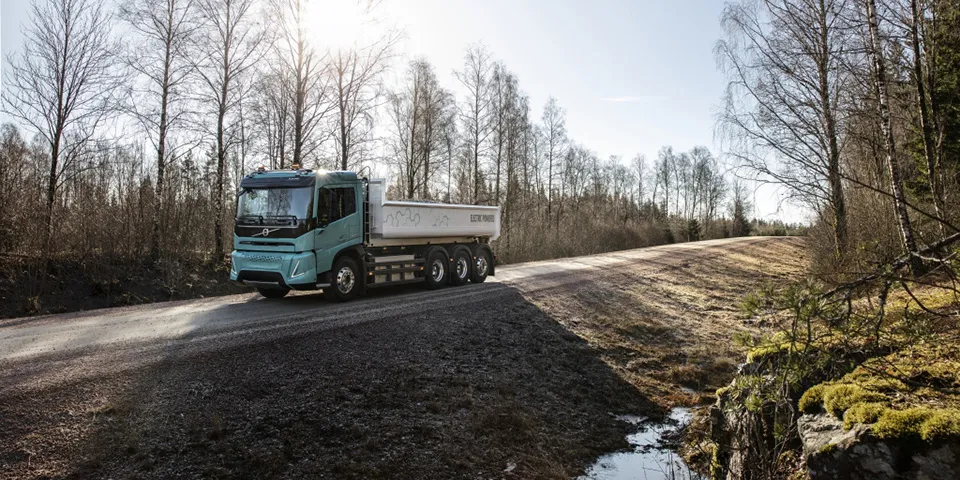
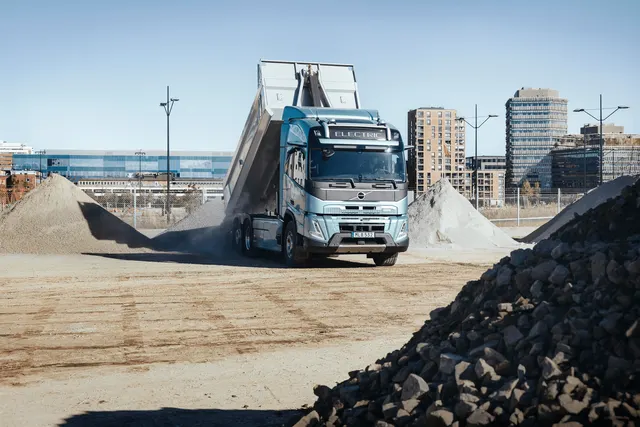
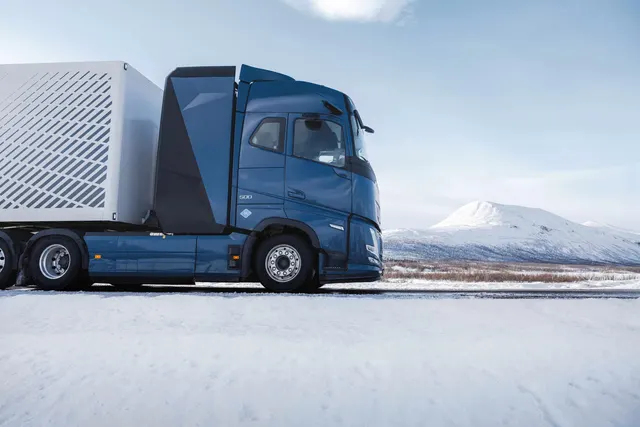
How can the environmental and climate impact of heavy-duty road transport be reduced while demand for transport continues to grow? Volvo Trucks has recently started selling electric trucks for urban transport and believes electrification could also become a competitive alternative for heavier trucks. Volvo Trucks wants to explore and demonstrate the possibilities, and has therefore developed two European electric concept trucks for construction work and regional distribution.
“In the longer term, we see considerable potential for heavy-duty electric trucks in regional transport and construction. With our concept trucks, we want to explore and demonstrate different solutions for the future, and gauge the level of interest in the market and in society. If we are to increase demand for trucks with electric drivetrains, charging infrastructure must be expanded rapidly. Higher subsidies must also be introduced for hauliers who are pioneers in choosing new vehicles with a lower environmental and climate impact,” says Roger Alm, President Volvo Trucks.
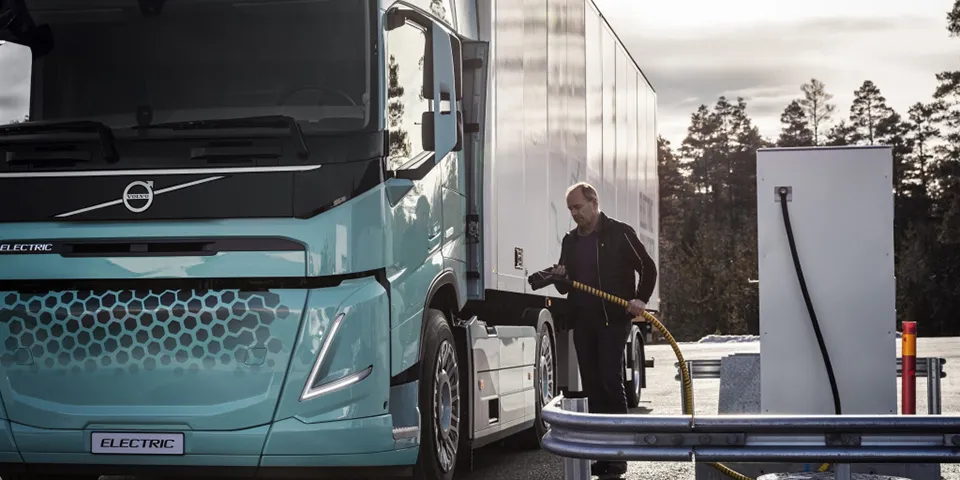
Heavy-duty electric trucks can improve the working environment for drivers and construction workers because they produce little noise and zero tailpipe emissions during operation. The latter will have a significant positive effect on air quality in cities with many construction projects. The absence of noise pollution also makes it possible to carry out transport activities for more hours each day. This creates new opportunities to streamline operations, for example on major construction projects and for transport in and around cities.
The overall climate impact of the transport sector can be reduced by using heavy-duty electric vehicles for regional distribution. Within the EU, truck-based goods distribution mainly involves regional transport.
“A huge number of trucks are used for regional goods transport in Europe, with an average annual mileage of 80,000 km. This means that increasing the use of electric vehicles for regional distribution will deliver significant climate benefits, provided the electricity is fossil-free,” says Lars Mårtensson, Director Environment and Innovation, Volvo Trucks.
Volvo Trucks’ plan to deploy heavy-duty electric trucks in construction and regional distribution will begin with a pilot involving a small number of vehicles at several European customers. A wider market launch will follow at a later date.
“The pace of electrification depends on a number of factors. On the one hand, charging infrastructure needs to be expanded, and on the other, regional electricity grids must ultimately be able to supply sufficient capacity. Financial subsidies are needed to encourage more hauliers to invest in electric vehicles. Shippers can also contribute by offering longer contracts and showing greater willingness to pay for sustainable transport. Many transport companies operate on very small margins, so every new investment must be profitable,” Mårtensson explains.
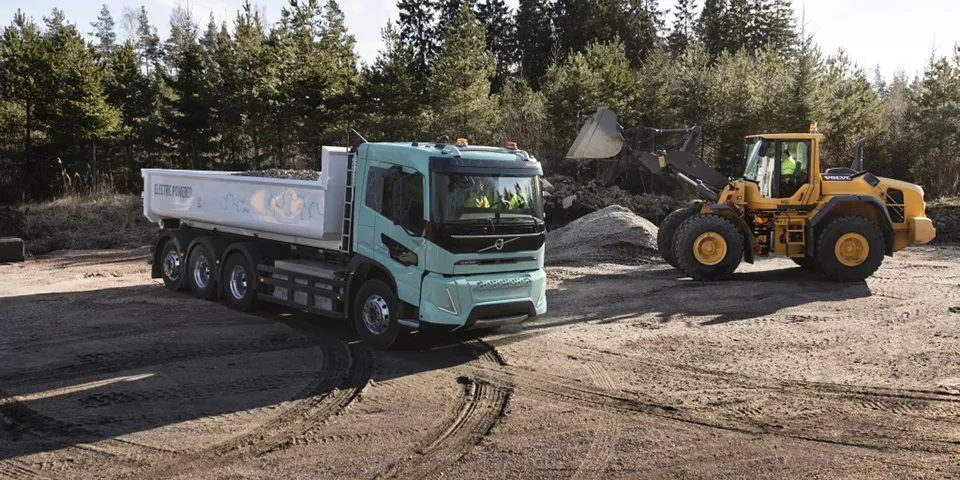
Alongside the growing electrification of the transport sector, continued improvements in the efficiency of combustion engines will need to remain a key factor in international transport for many years to come.
“Today’s truck engines use energy very efficiently and run on diesel or various renewable fuels such as liquefied biogas or HVO. This technology still has potential for further development,” says Mårtensson.
Volvo trucks with alternative fuels/drivetrains
- Volvo FL Electric and Volvo FE Electric. Both trucks are fully electric and intended for applications such as local distribution and refuse collection in urban areas.
- Volvo FH LNG and Volvo FM LNG. The Volvo FH is designed for heavy-duty international transport and the Volvo FM for heavy-duty regional transport, both running on liquefied natural gas or biogas.
- Volvo FE CNG. The Volvo FE, running on compressed natural gas or biogas, is designed for local distribution and waste collection.
Question about this story? Ask your question
Keep following this
Get an email when a new story is published. No account needed.
- ThemeConstruction transport on road and site
- SubjectTransport & off-road