Diesel finally faces competition on long-haul routes
Text Piet Andries Beeld Volvo Trucks
Volvo Trucks is reshaping its electric line-up
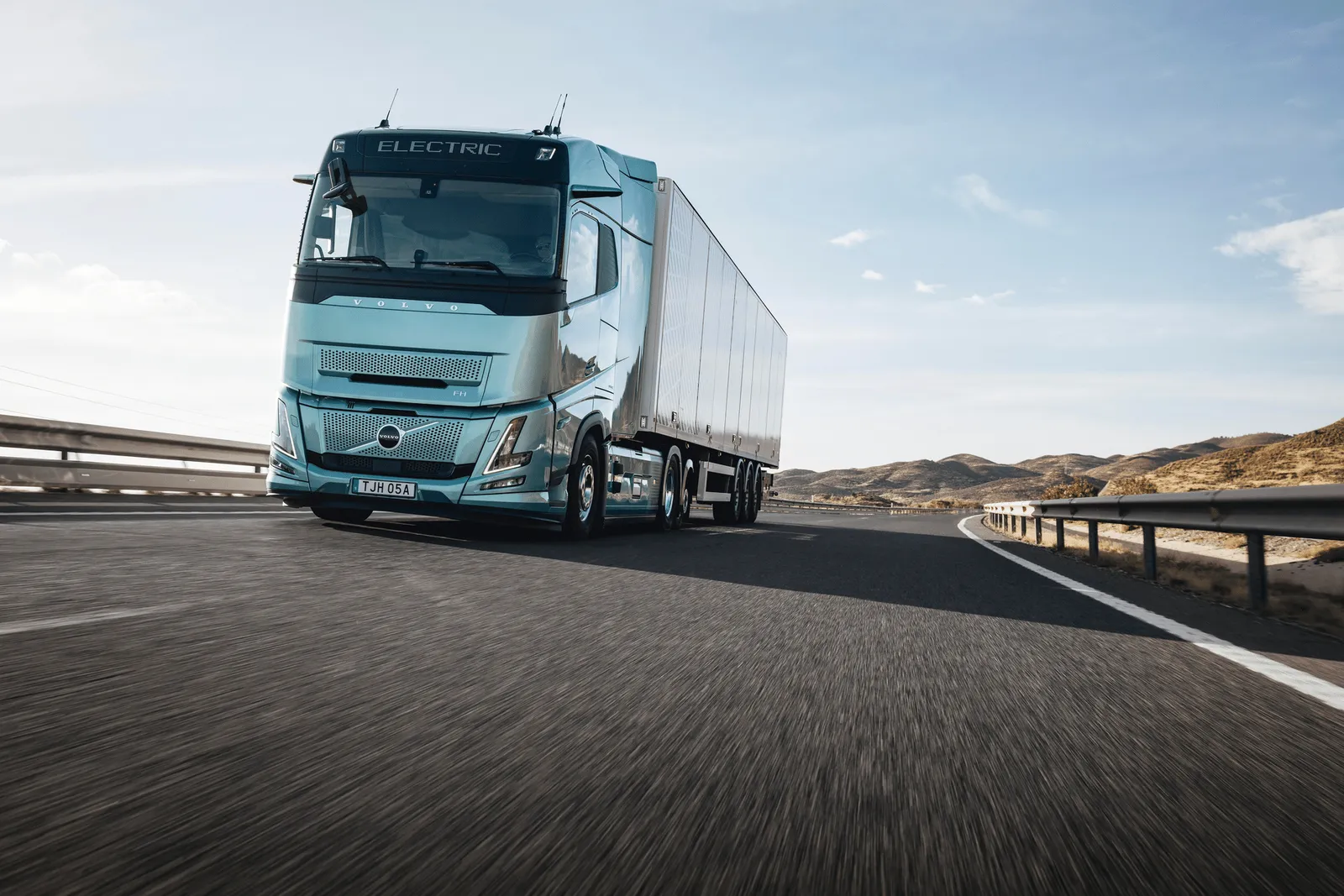
Volvo Trucks is accelerating zero-emission transport into heavier-duty applications with longer ranges and megawatt charging. With a range of 700 kilometres, the FH Aero Electric Extended Range is the marathon runner of its electric line-up. The Swedish brand also has another important new model for the construction and infrastructure sectors in its production pipeline.
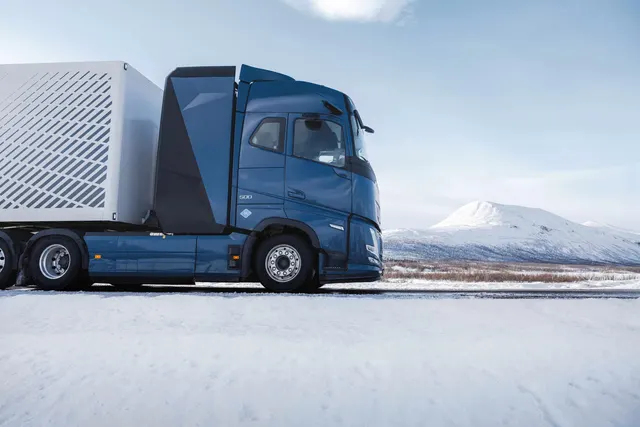
“Switching from diesel to electric has never been easier.” So says Roger Alm, president of Volvo Trucks, referring to the company’s new flagship, the FH Aero Electric Extended Range, which offers a maximum range of 700 kilometres on a single battery charge. That is not only 100 kilometres more than the brand announced when it unveiled the concept version, it also brings the electric truck into the territory where diesel still reigns supreme. This makes longer transport routes possible without an intermediate charging stop. “This means we can fully meet our customers’ business needs,” Alm adds.
Up to eight battery packs
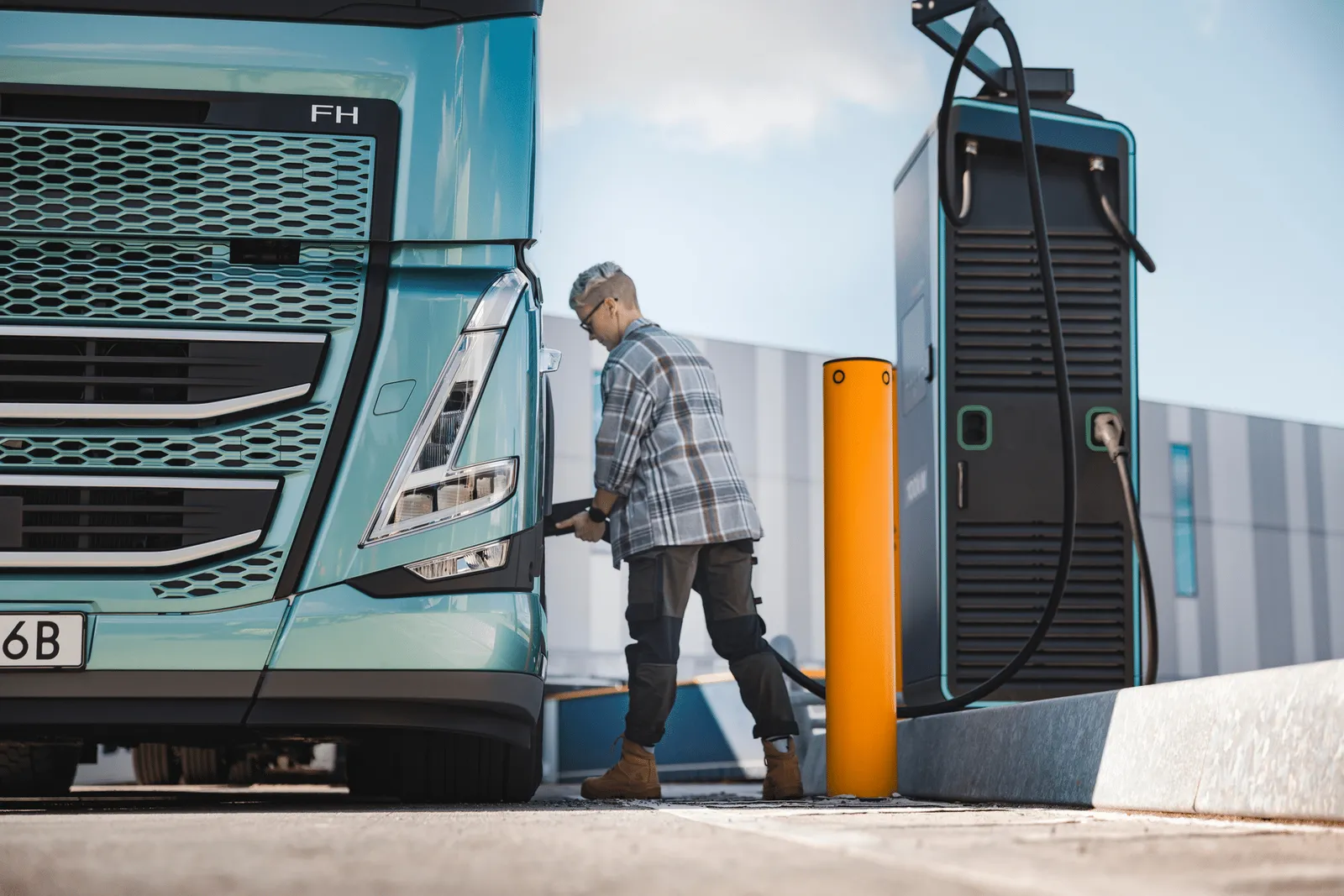
To achieve this marathon range, Volvo developed a new electric powertrain with an output of up to 460 kW. The three-electric-motor configuration has been dropped. The e-axle integrates two electric motors and a six-speed gearbox into the rear axle, freeing up additional space in the chassis for batteries. With eight battery packs (six are also an option), the FH Aero Electric Extended Range has a usable capacity of 725 kWh. As the electric truck is also prepared for the Megawatt Charging System (MCS), it can charge this enormous battery pack from 20 to 80% in just 50 minutes, keeping downtime to a minimum.
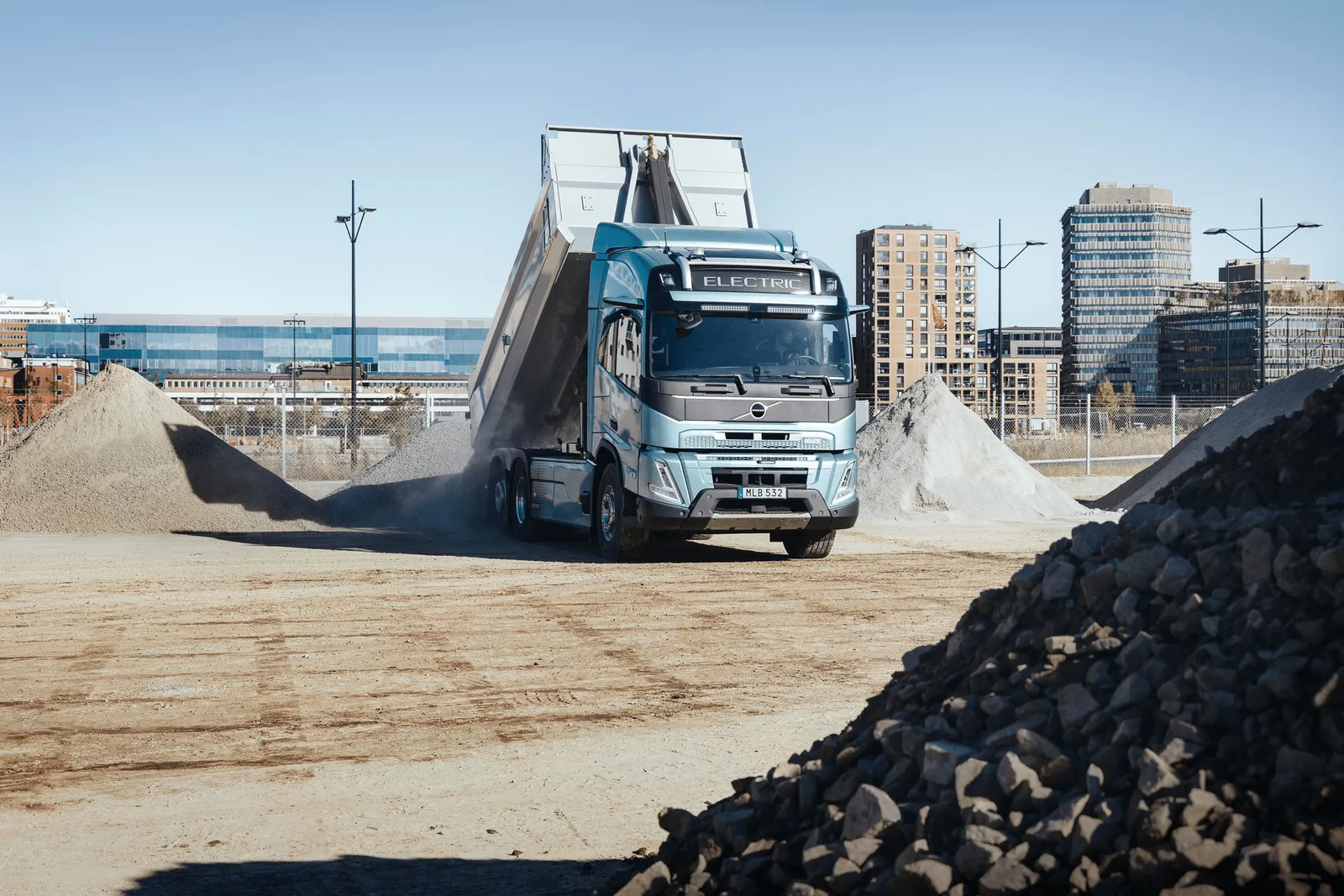
Another interesting new option for heavy transport, with potential applications in construction and infrastructure, is the new rigid version of the FH Electric and FH Aero Electric. Available as a 6×2 and 6×4, this truck has a usable battery capacity of 640 kWh and can handle combinations weighing up to 80 tonnes. With a gross combination weight of 60 tonnes, its range is around 500 kilometres. In lighter-duty applications, it exceeds 600 kilometres.
Volvo is also introducing MCS charging for these trucks, with a peak power of 680 kW opening up new possibilities for customers and halving downtime. The battery charges from 20 to 80% in around 36 minutes. Hub-reduction axles are also available for this truck, offering greater ground clearance and a higher technical axle load, giving customers in the construction and infrastructure sectors more flexibility. The first vehicles will roll off the production line from early 2027, but Belgium will be served at a later stage.
Noticeably faster charging
The rigid version’s powertrain is not exclusive to that model, but is shared with the latest generation of the FH Electric, FM Electric and FMX Electric. These three trucks, designed for road construction, regional distribution, urban logistics, utilities, waste management and heavy-duty special applications, have just been updated to combine output of up to 540 kW with a range of up to 470 kilometres in real-world use. Depending on the configuration, they can handle a gross combination weight of 65 tonnes, with a payload of up to 23.8 tonnes for a 4×2 tractor unit. Charging is also noticeably faster. The Combined Charging System (CCS) supports charging at up to 350 kW, taking the battery from 20 to 80% in around 65 minutes, according to Volvo.
As the manufacturer with the largest range of battery-electric trucks, Volvo Trucks can draw on an extensive database covering energy consumption, reliability and day-to-day operations. Increasingly, that knowledge is being translated into practical solutions that significantly ease or overcome the challenges of fossil-free transport.
The sector is still in a period of transition, however. Alongside battery technology, the Swedish brand is therefore continuing to invest in fuel cells and internal combustion engines running on renewable fuels such as biogas, biodiesel and HVO (Hydrotreated Vegetable Oil). An internal combustion engine running on hydrogen, designed to use green hydrogen, is also under development and is now being tested on public roads. Companies wishing to assess how ready they are for electric transport can get an initial estimate, with professional advice, using Volvo Trucks’ free Business Case Simulator.
Een zakelijke vraag aan Volvo Trucks Belux? Get in touch
Companies in this story
Keep following this
Get an email when a new story is published. No account needed.
- SubjectTransport & off-road
- CompanyVolvo Trucks Belux