Powerful and fuel-efficient: meet Volvo’s hydrogen truck of the future
Text and images Volvo Trucks
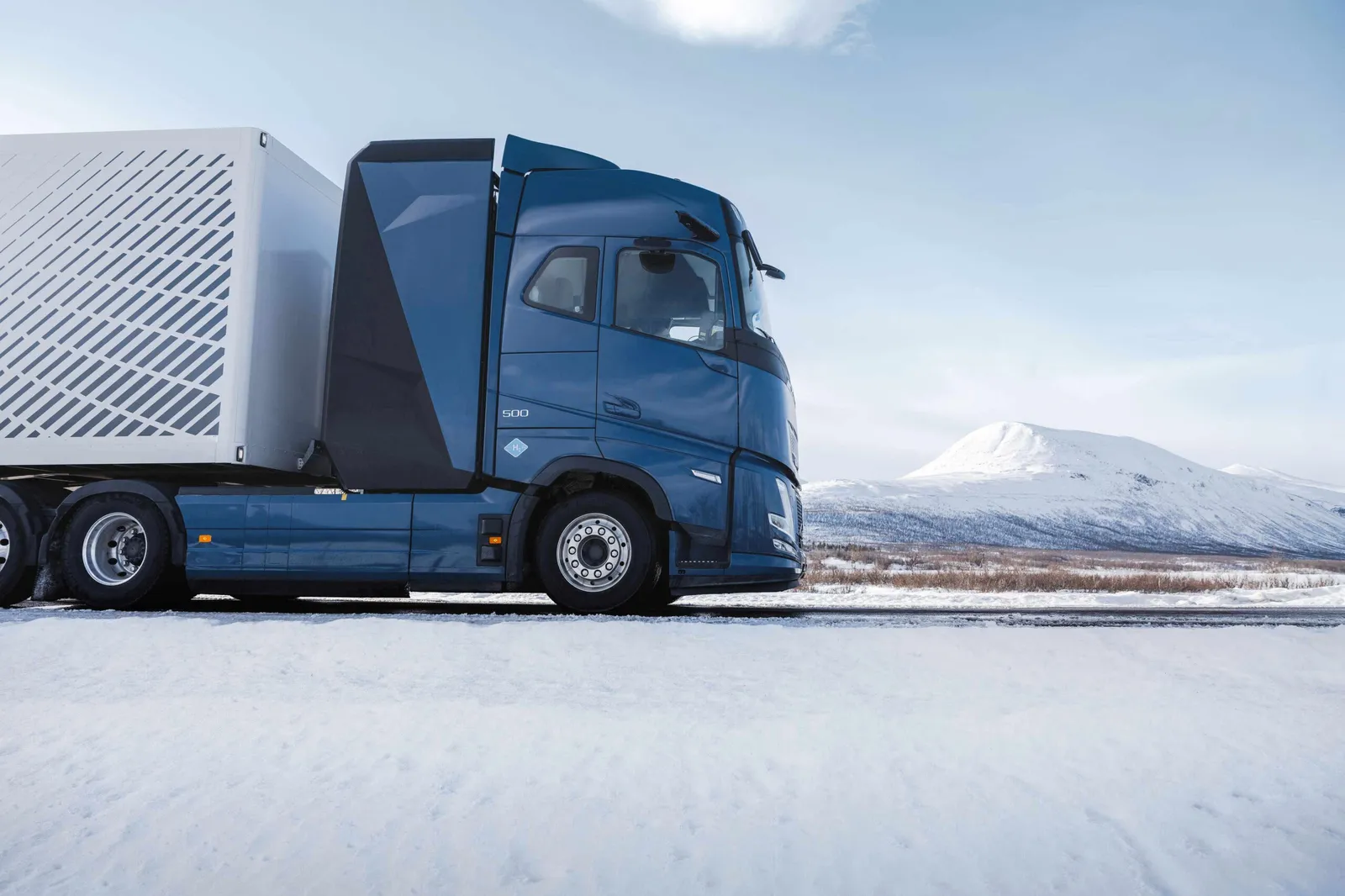
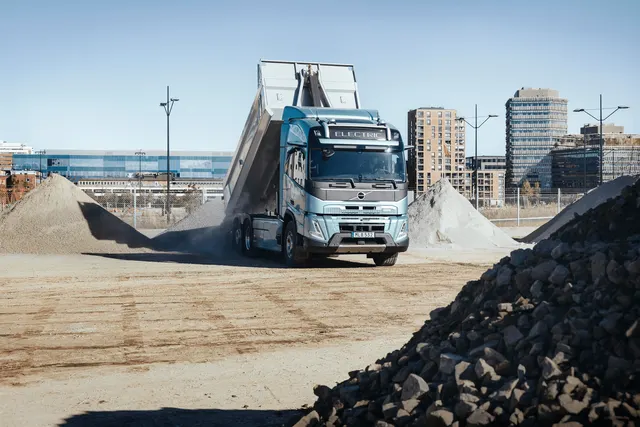
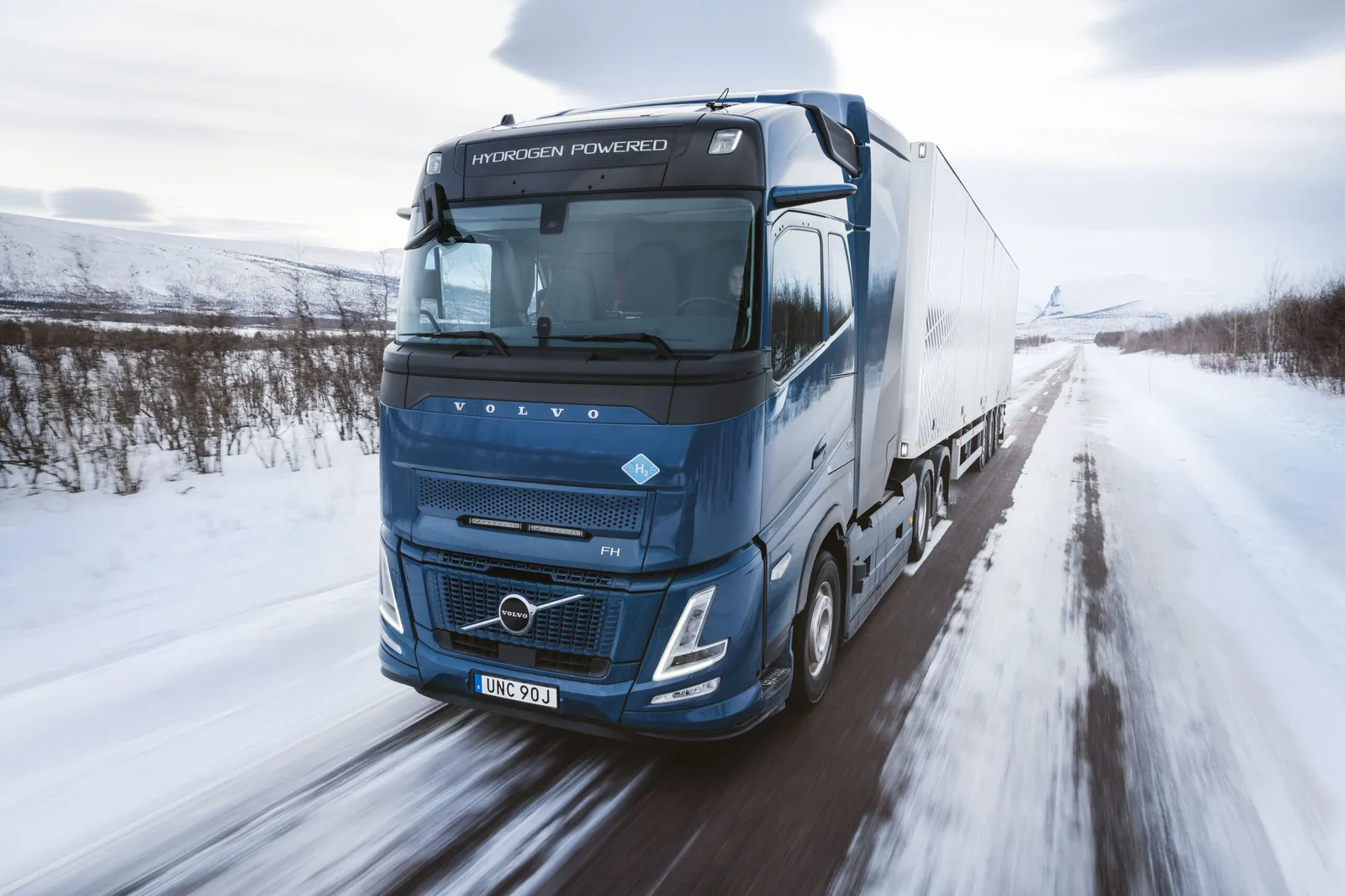
Volvo Trucks has begun on-road field tests of heavy-duty trucks powered by hydrogen combustion engines. Volvo’s hydrogen solution is a leader in the industry. Commercial launch is planned before 2030.
Greater efficiency and performance
Volvo is taking the next step towards transport with net-zero CO2 emissions. Volvo’s hydrogen-powered trucks will deliver leading performance, with higher energy efficiency, lower fuel consumption and more engine power than conventional hydrogen combustion engines.
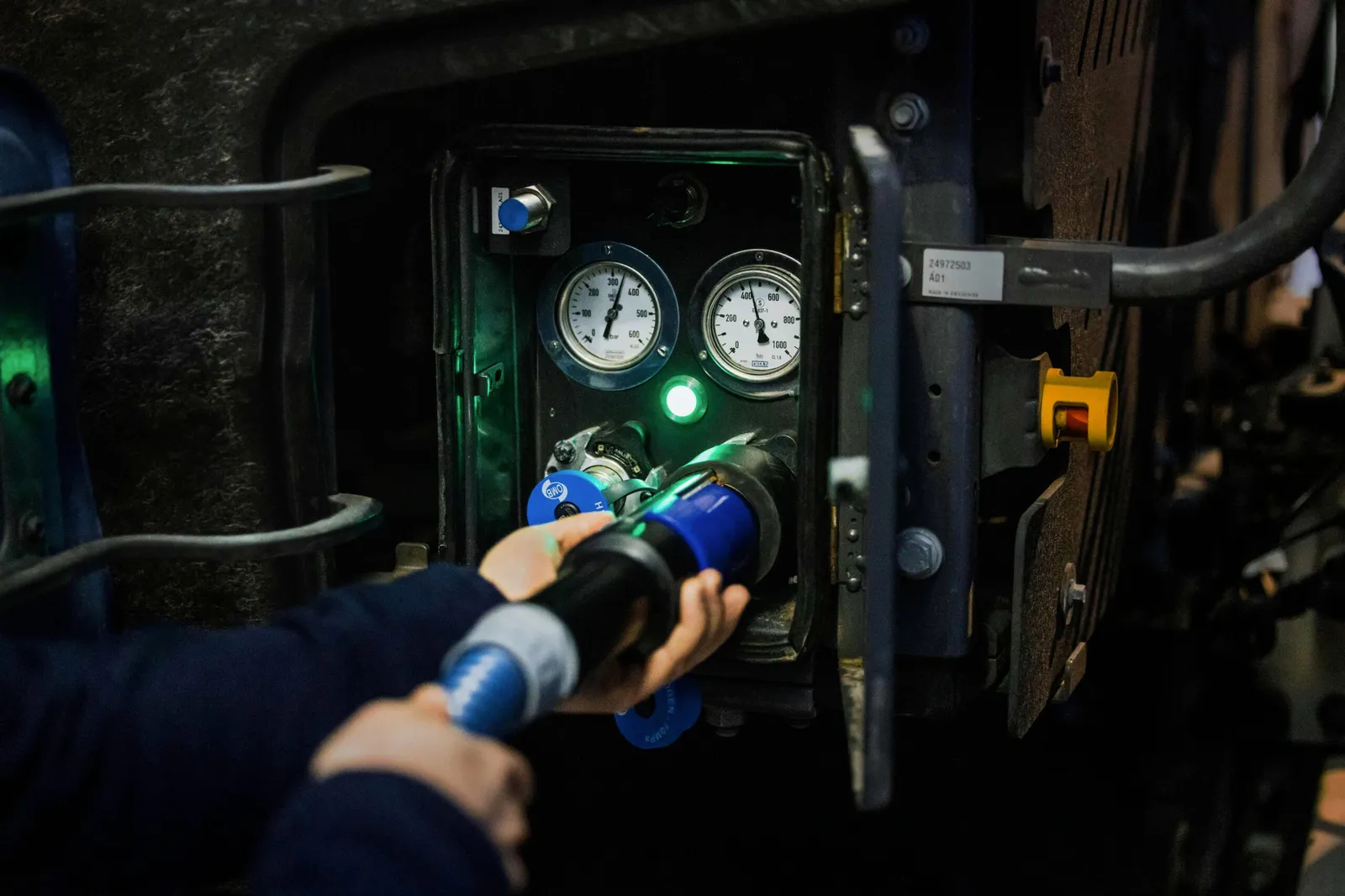
This is thanks to High Pressure Direct Injection (HPDI). A small quantity of ignition fuel is injected at high pressure to enable compression ignition before hydrogen is added. Volvo already uses this technology in its gas-powered trucks, of which more than 10,000 have been sold worldwide.
A significant milestone for Volvo
“On-road testing is an important milestone for our hydrogen combustion engines. I am confident they will be best in the industry in terms of fuel efficiency, power, torque and drivability. Customers will be able to use them just like diesel trucks. Our experience with HPDI technology in more than 10,000 gas-powered trucks is strong evidence of its performance,” says Jan Hjelmgren, Head of Product Management at Volvo Trucks.
Hydrogen combustion engine trucks are particularly well suited to longer distances and regions with limited charging infrastructure or little time available to charge battery-electric trucks.
Potential for net-zero emissions
Volvo trucks with green hydrogen combustion engines have the potential to achieve net-zero CO2 emissions “well-to-wheel” when renewable HVO (Hydrotreated Vegetable Oil) is used as the ignition fuel. They are categorised as ‘Zero Emission Vehicles’ (ZEVs) under the agreed EU CO2 emissions standards. Volvo’s advanced hydrogen engine technology is derived from its diesel powertrain and delivers diesel-like performance while significantly reducing CO2 emissions.
Part of a broader strategy
Hydrogen-powered combustion engine trucks will complement other alternatives, such as battery-electric trucks, fuel cell electric trucks and trucks running on renewable fuels such as biogas and HVO.
“We see great potential for hydrogen combustion engine trucks, as they will play a role in the transition to zero-emission transport. Multiple technologies will be needed to decarbonise.
As a global truck manufacturer, we offer a broad range of solutions and help our customers make the best choice based on the transport task, available infrastructure and green energy prices,” says Jan Hjelmgren.
Facts about Volvo’s hydrogen combustion engine trucks:
- Volvo Trucks uses Cespira’s (www.cespira.com) fuel-efficient HPDI (High Pressure Direct Injection) technology.
- Hydrogen-powered Volvo trucks will have a range exceeding the daily driving distance of many customers.
- Their low CO2 emissions mean these trucks are classified as ‘Zero Emission Vehicles’ under EU standards.
- Hydrogen can also be used in fuel cell electric trucks, where electricity is generated on board. These emit only water vapour.
- Volvo plans to launch fuel cell electric trucks in limited volumes before 2030.
- Volvo Trucks has a three-pronged strategy: battery-electric, fuel cell electric and combustion engines running on renewable fuels.
Een zakelijke vraag aan Volvo Trucks Belux? Get in touch
Companies in this story
Keep following this
Get an email when a new story is published. No account needed.
- ThemeConstruction transport on road and site
- SubjectTransport & off-road
- CompanyVolvo Trucks Belux