Machine tyres: a valuable resource for the circular economy
Text Piet Andries Beeld Recytyre
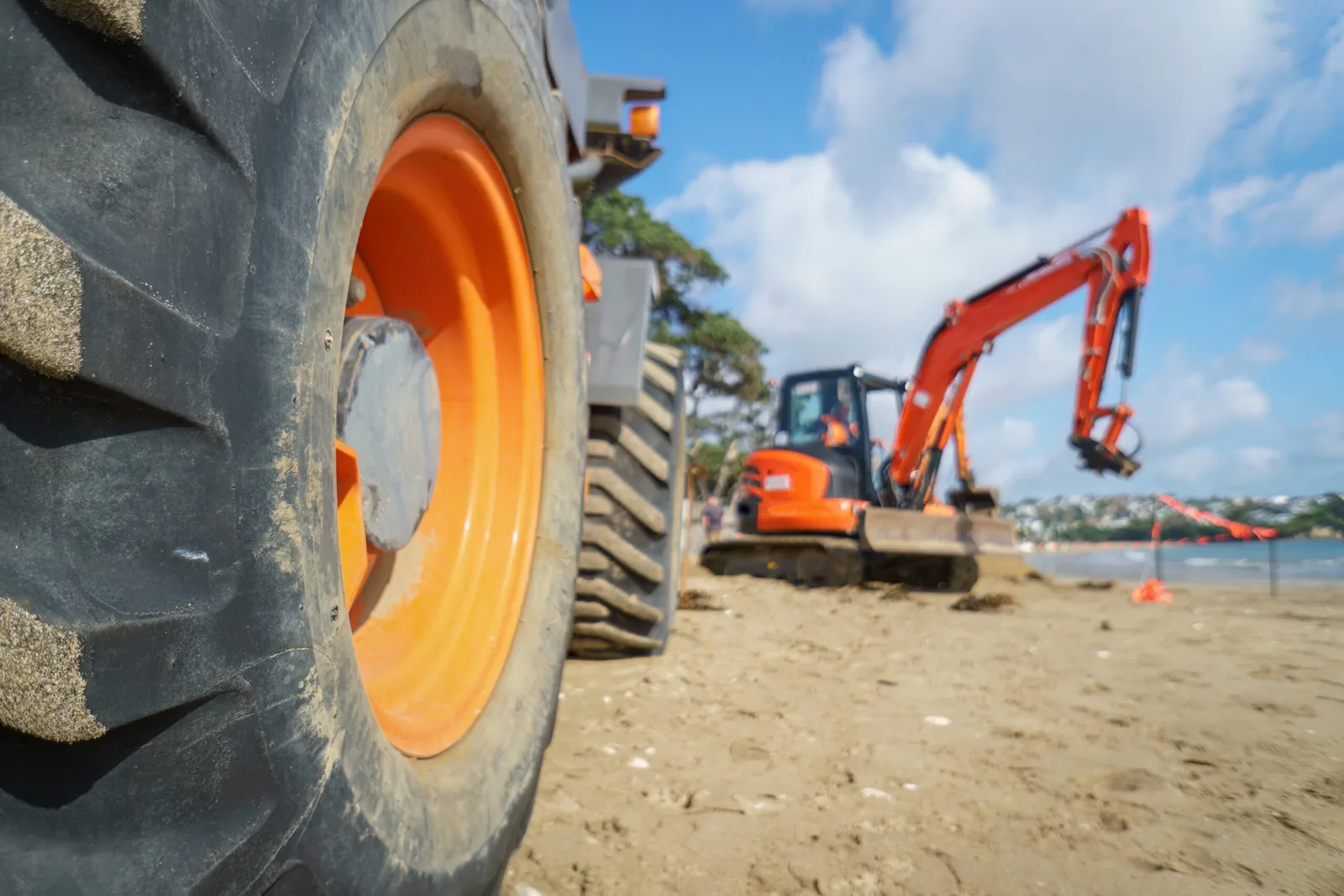
End-of-life tyres from heavy machinery are increasingly being kept out of incinerators in Belgium and returned to the supply chain. Recytyre has a clear mission: to turn rubber waste into a fully fledged raw material. Visit the organisation’s stand at Demo Days to find out all about your obligations and the entire collection and recycling process.
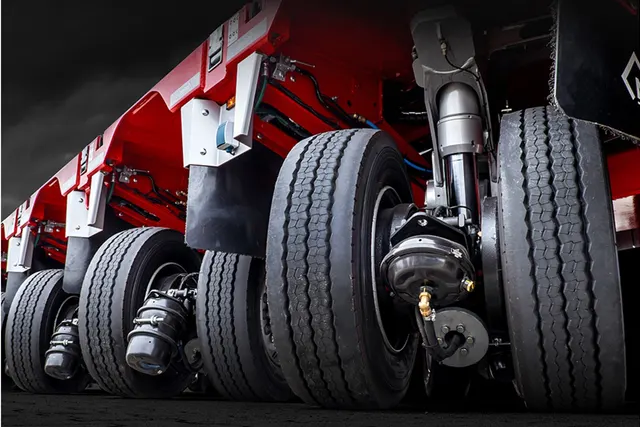
Machinery used in the civil engineering and infrastructure sector accounts for around 17,000 tyres on the Belgian market each year. That is a niche compared with the six million passenger car tyres, but these tyres carry considerable weight in the recycling process, not only because of their size, but also because of their technical complexity.

Free collection
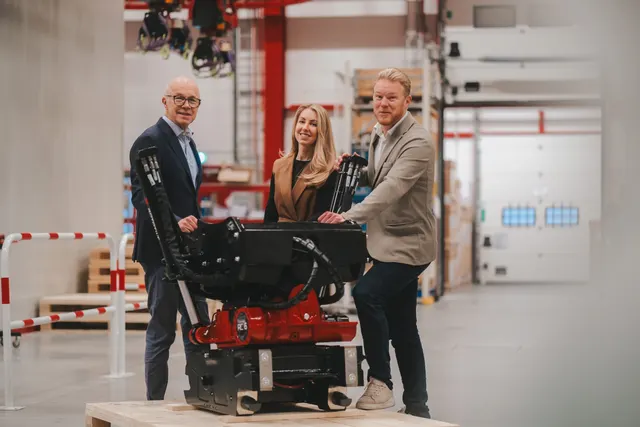
“The process is actually straightforward,” says Chris Lorquet, CEO of Recytyre. “Importers of vehicles or machinery report monthly on the number of tyres their company places on the market. We then take full responsibility for collection, processing and reporting to the authorities.”
Contractors and tyre fitters can register free of charge as collection points and have their end-of-life tyres collected free of charge on a one-for-one basis, old for new. However, awareness of these rules remains limited. “Many don’t know our organisation or what their obligations are, and they don’t realise they can dispose of their waste free of charge.”
Pyrolysis: high-value recycling
Belgium is a pioneer in recycling. “Not a single kilo of rubber goes to the cement industry any more,” Lorquet continues. Collected rubber is shredded into granules or powder and used as shock-absorbing material in sports fields, railways and construction layers. But the industry is looking further ahead. The next step will also be the most profitable. Pyrolysis converts rubber into oil for the chemical industry and even into carbon black for reuse in tyre production.
For construction machinery tracks, which currently fall outside any legal framework, Recytyre is exploring a new collection model. The organisation also supports external initiatives promoting circularity in the rubber industry through the Green’er Fund at the King Baudouin Foundation.
Question about this story? Ask your question
Keep following this
Get an email when a new story is published. No account needed.
- ThemeOn-site demolition and recycling
- SubjectDEMO DAYS