Fewer errors, less earthmoving and lower costs from rework make all the difference today
Text Kris Vandekerckhove Beeld Dranicon
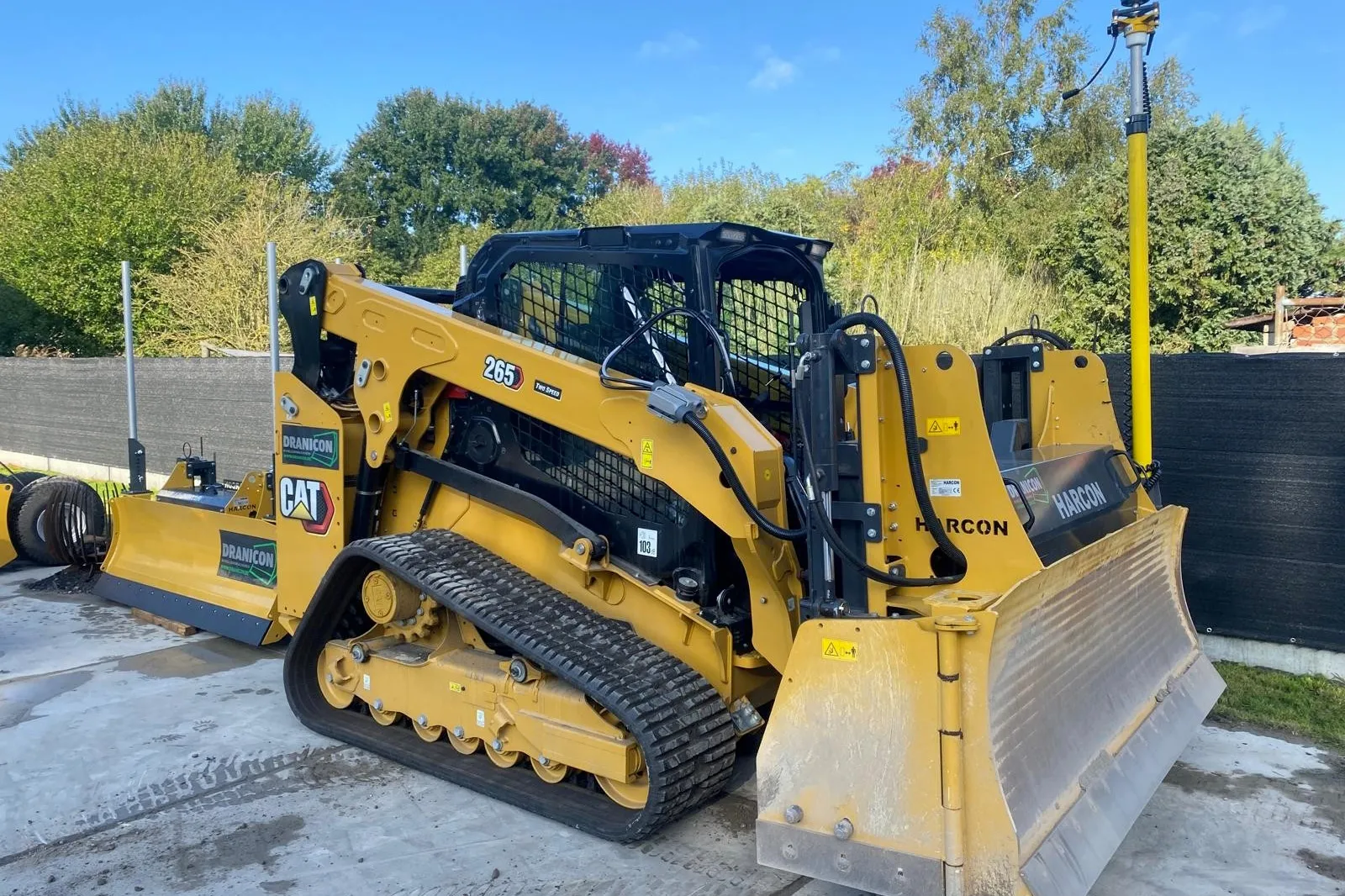
Discussions about investing in new machines often start with the purchase price. But according to Pieter Blomme, managing director of Dranicon, that is far too narrow a view. Especially when it comes to modern levelling technology and 3D machine control systems.
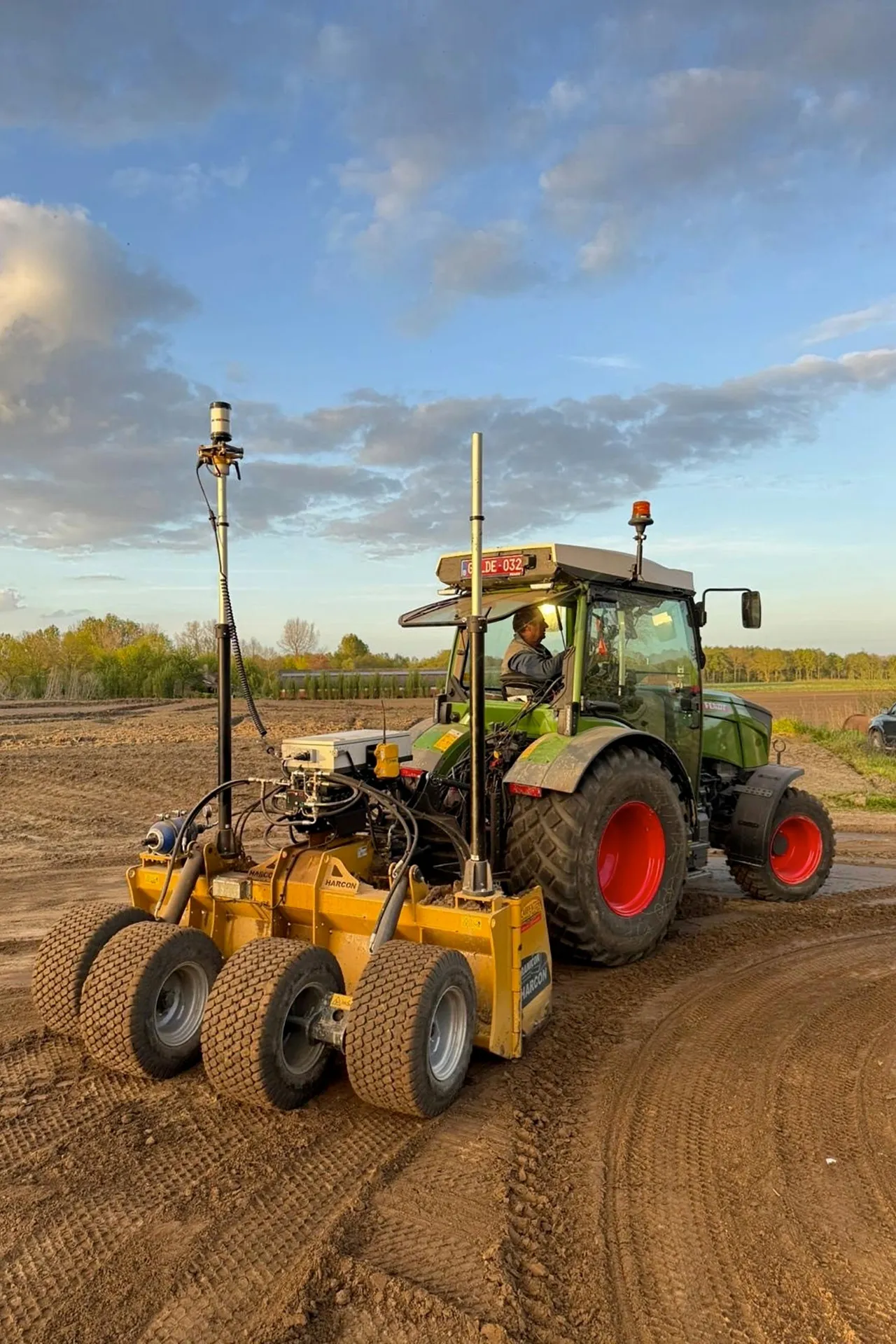
“Many people link the investment in a 3D system to one specific machine. But in reality, you are investing in a completely different way of working,” he says.
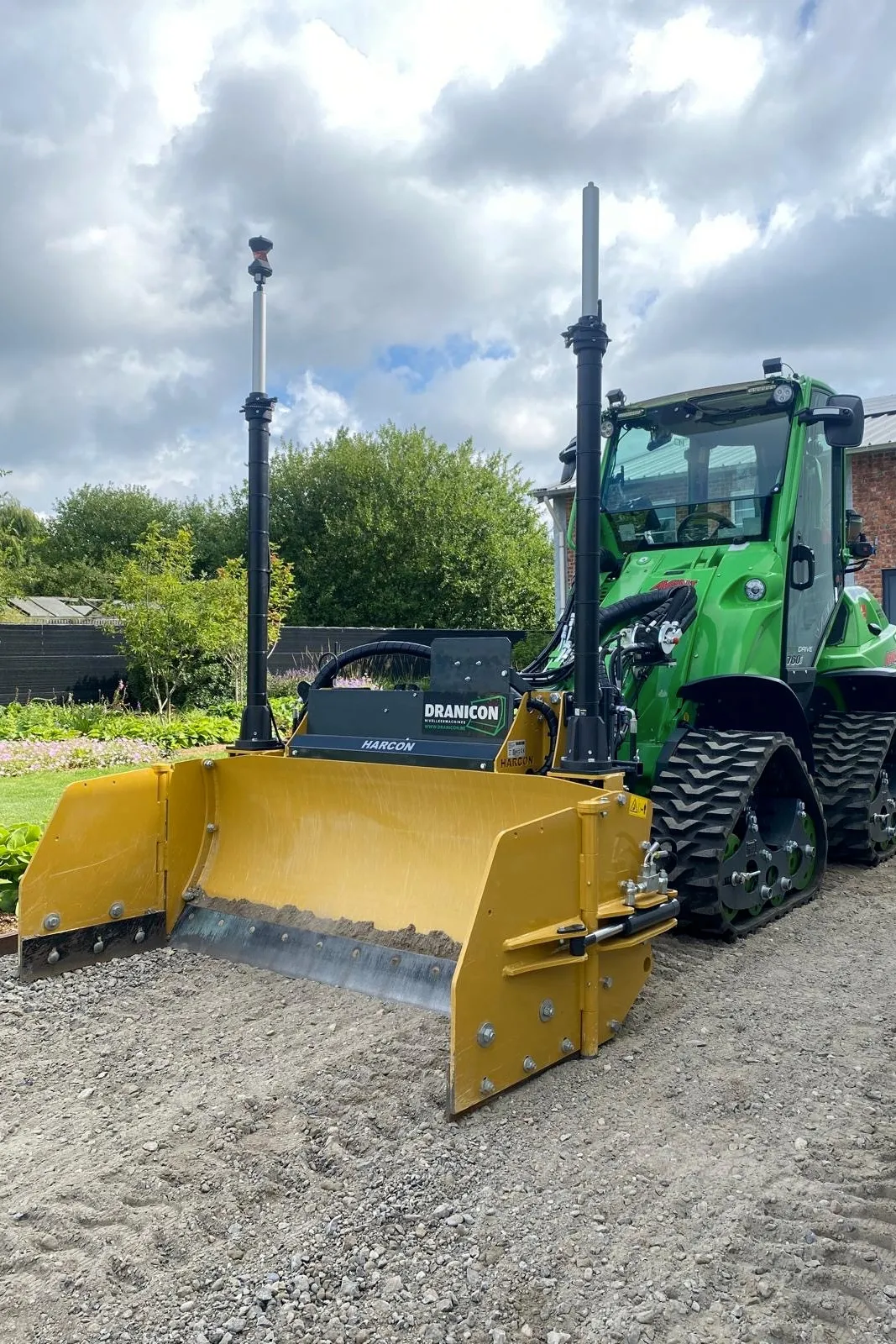
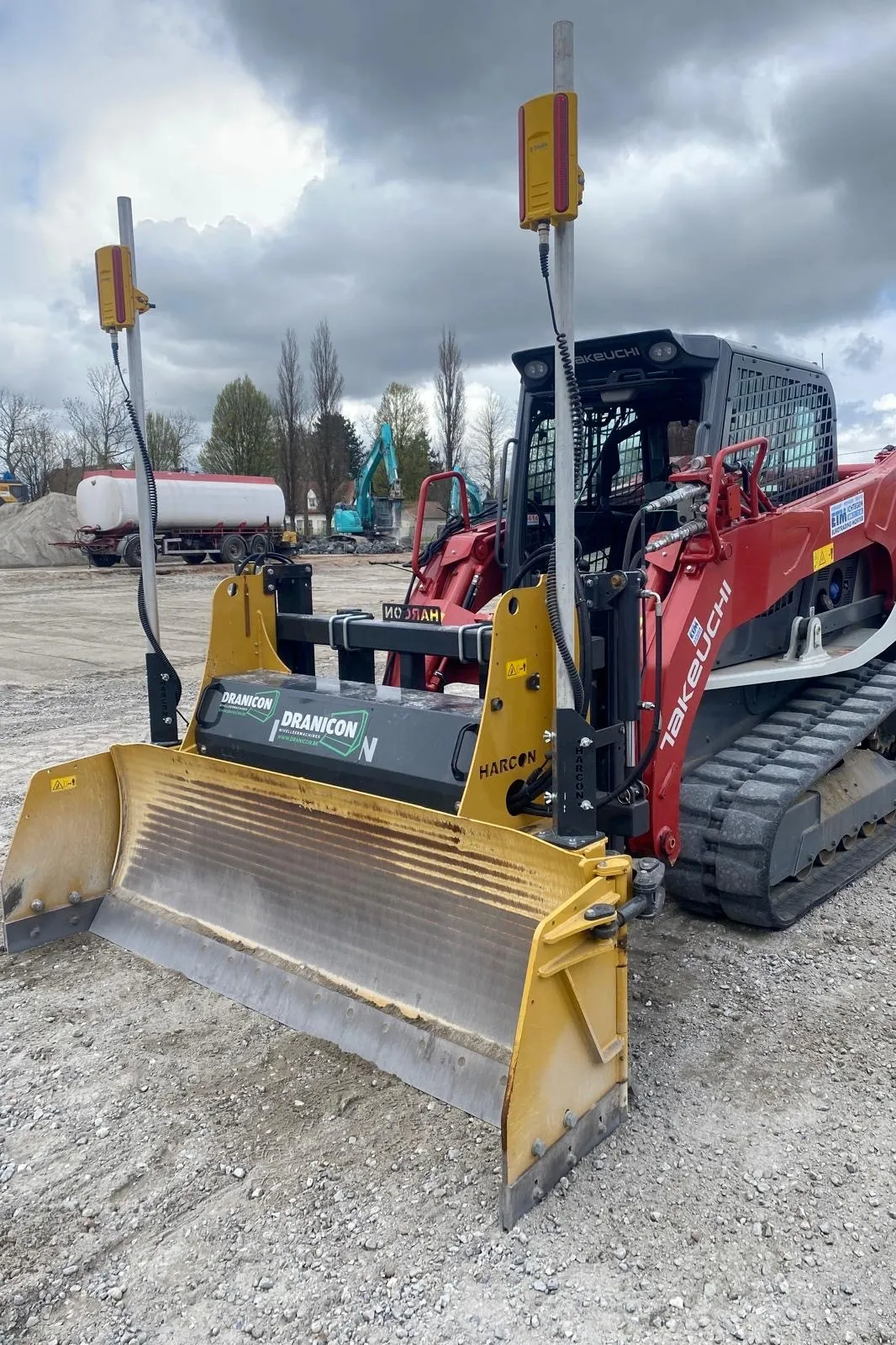
Look beyond the purchase price
The cost of an advanced control system can now be as much as the machine it is fitted to. As a result, many companies still focus mainly on the initial investment.
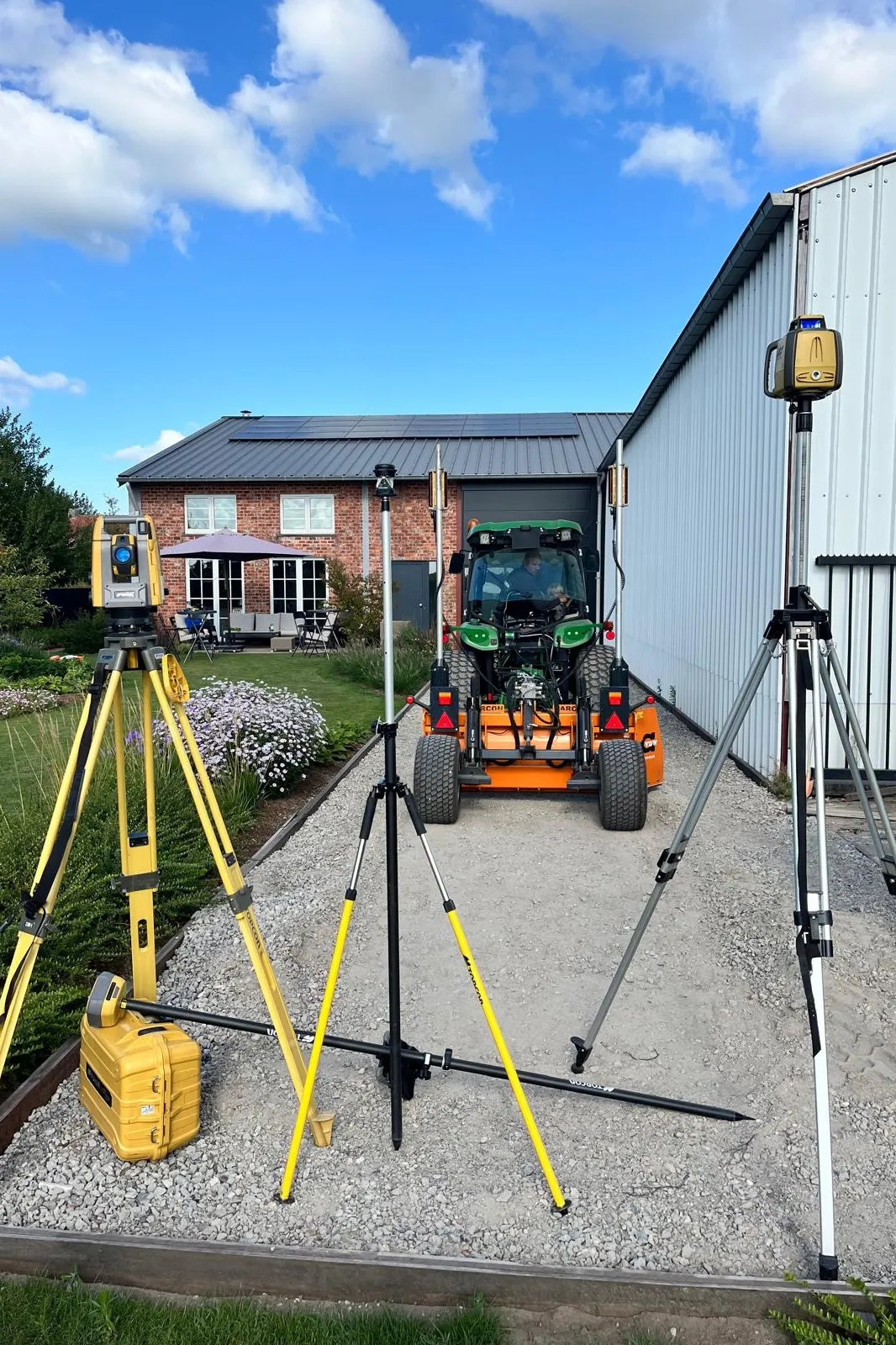
But according to Blomme, the real added value lies elsewhere. Not in the machine itself, but in the efficiency gains achieved across the entire project. “It starts with accurately surveying a site. You can then prepare a proper earthworks balance, avoiding the unnecessary removal or delivery of soil. That alone can generate huge savings.”
Fewer errors, fewer labour hours
The way work is carried out on site is also changing fundamentally. Tasks that once required several people, such as setting out, check measurements and monitoring progress, can now often be handled by a single operator.
Setting out is faster and more accurate, and changes can be made almost immediately. In addition, much of the scope for human error is eliminated. “It’s not just about more accurate levelling. It’s about making fewer mistakes, needing fewer labour hours and working more efficiently across the entire project.”
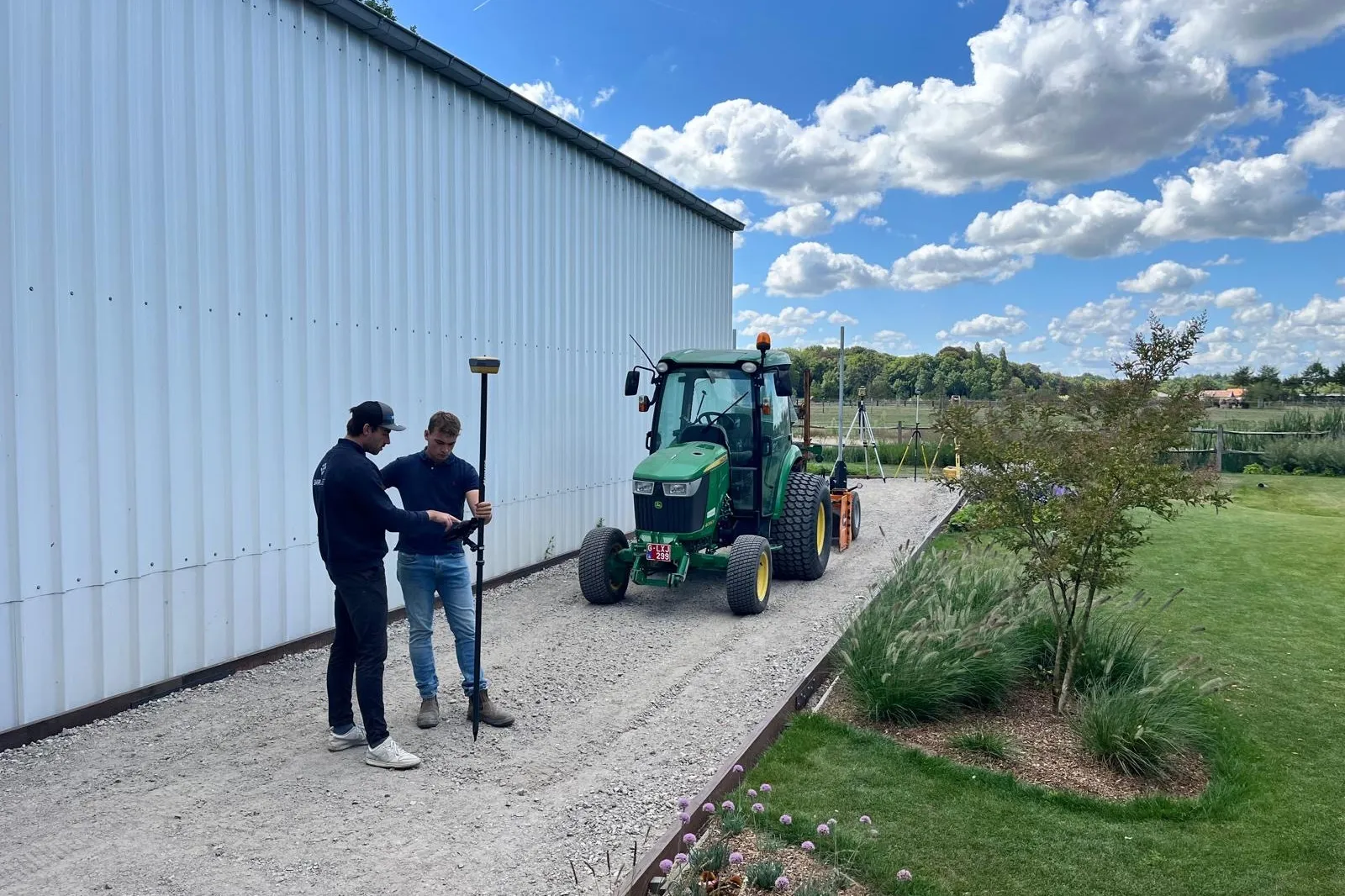
Digital data is becoming increasingly valuable
Another advantage is the availability of digital project information. The same equipment used for surveying and construction also provides valuable data for as-built plans and project documentation.
This means utility routes, connections and completed works can be accurately recorded and easily retrieved later. According to Blomme, this not only improves project monitoring, but also speeds up administration and reduces the risk of disputes later on.
Towards an error-free site
According to Dranicon, the shift towards automation will only accelerate in the coming years. Not only because companies want to work more efficiently, but also because experienced tradespeople are becoming increasingly hard to find.
3D machine control systems are also becoming more accessible. Once used exclusively on large projects, the technology is now increasingly being adopted by medium-sized and smaller contractors. Pieter Blomme expects this trend to continue: “Within ten years, 3D will be just as commonplace as laser guidance is today. Everything will be even more integrated, and the scope for errors will continue to shrink.”
The focus is therefore shifting decisively from the machine to the result. Ultimately, modern levelling is not about the technology itself, but what it makes possible: working more accurately, using resources more intelligently and getting more out of every project.
Question about this story? Ask your question
Keep following this
Get an email when a new story is published. No account needed.
- ThemeEarthmoving and road construction in practice
- SubjectEarthmoving