Volvo Trucks to launch full range of electric vehicles in Europe from 2021
From next year, transport operators in Europe will be able to order fully electric versions of Volvo’s heavy-duty vehicles.
This means Volvo Trucks will offer a full range of heavy-duty electric powertrains in Europe from 2021. Volvo Trucks’ strong commitment to electrification marks a major step forward on the road to fossil-free transport.
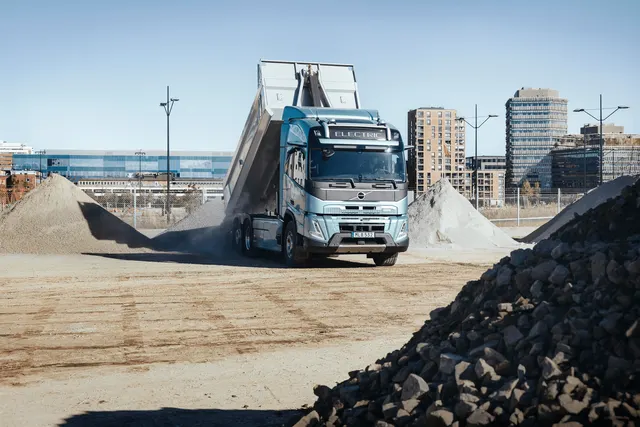
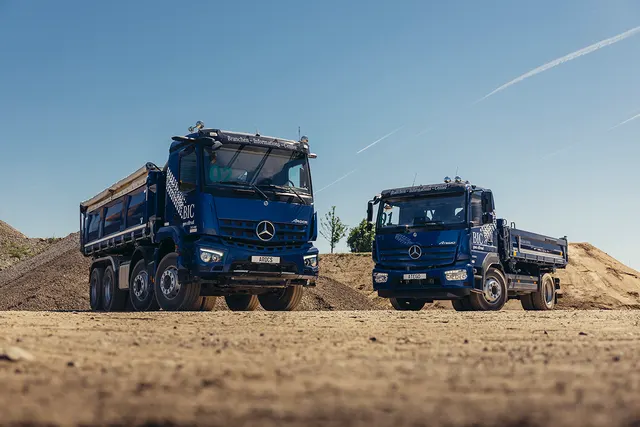
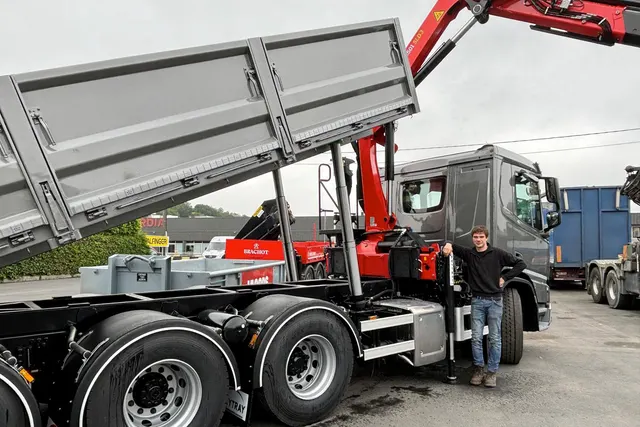
Volvo Trucks is now testing the heavy-duty electric Volvo FH, Volvo FM and Volvo FMX vehicles, which will be used for regional transport and urban construction work in Europe. These vehicles have a gross combination weight of up to 44 tonnes. Depending on the battery configuration, their range can reach up to 300 km. Sales will begin next year, with volume production starting in 2022. This means that from 2021, Volvo Trucks will sell a full range of battery-electric vehicles in Europe for distribution, refuse collection, regional transport and urban construction work.
“By rapidly expanding our range of heavy-duty electric vehicles, we want to help our customers and transport buyers achieve their ambitious sustainability goals. We are determined to continue guiding our industry towards a sustainable future,” says Roger Alm, President of Volvo Trucks.
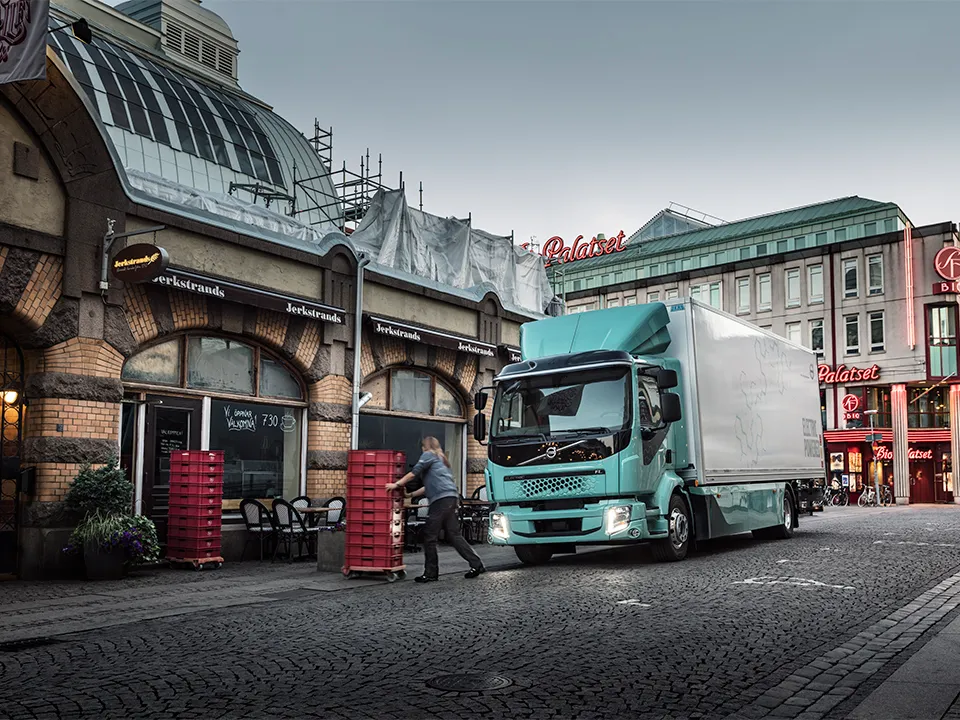
Volvo Trucks began production of the Volvo FL Electric and Volvo FE Electric in 2019. These electric vehicles are designed for urban distribution and waste management, mainly in Europe. In North America, sales of the Volvo VNR Electric, a regional transport vehicle, will begin on 3 December 2020.
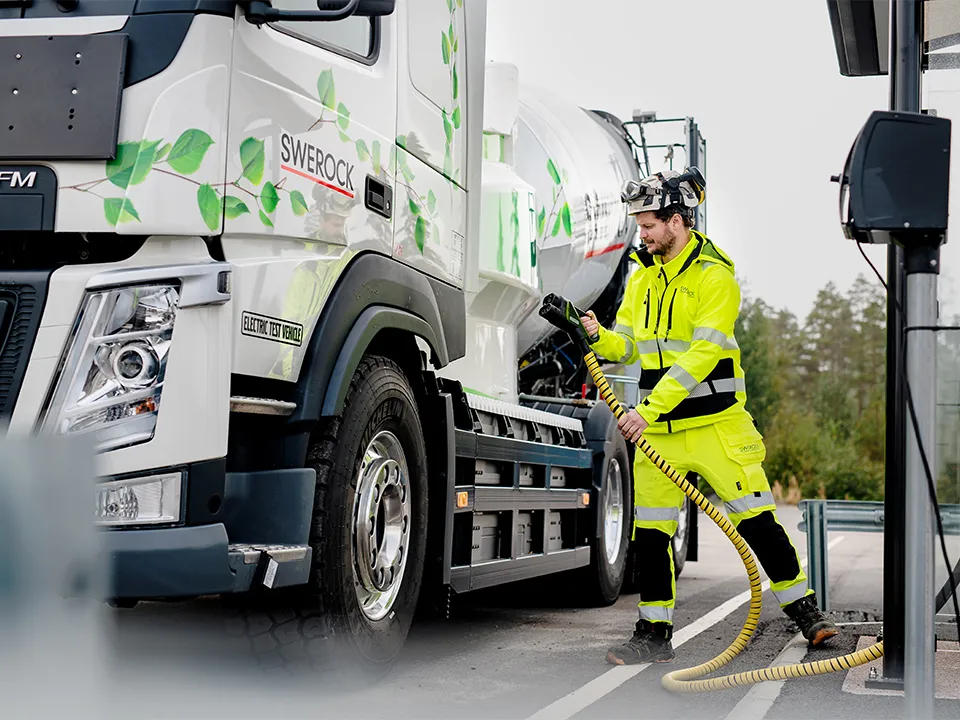
Volvo Trucks Electromobiity 2020
A step-by-step transition to fossil-free alternatives
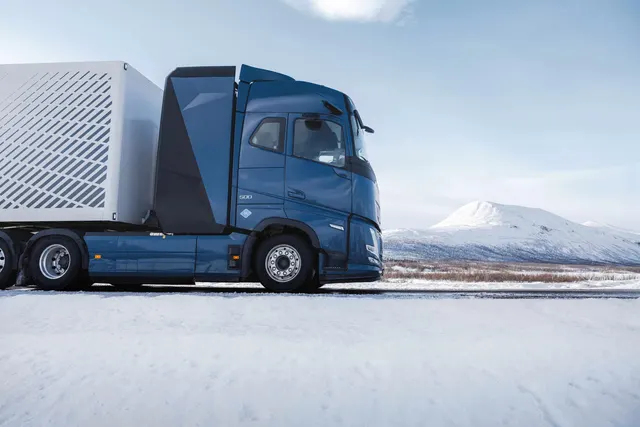
Electric vehicles for demanding, heavy-duty long-haul transport will follow later this decade. These battery-electric or fuel-cell vehicles will have a longer range. Volvo Trucks plans to begin selling hydrogen fuel-cell electric vehicles in the second half of this decade. Volvo Trucks’ goal is for its entire product range to be fossil-free by 2040.
“To reduce the impact of transport on the climate, we need to move quickly from fossil fuels to alternatives such as electricity. But the conditions for making this shift, and therefore the pace of the transition, vary greatly between operators and markets, depending on many factors such as financial incentives, access to charging infrastructure and the type of transport operation,” explains Roger Alm.
For this reason, most transport companies will switch to electric vehicles in stages. In practice, many of them will operate a mixed fleet of vehicles running on different fuels during a transition period.
“Our chassis are designed to be independent of the powertrain used. Our customers can choose to buy several Volvo vehicles of the same model, with the only difference being that some are electric while others run on gas or diesel. In terms of features such as the driver’s environment, reliability and safety, all our vehicles meet the same high standards. Drivers need to feel familiar with their vehicles and be able to operate them safely and efficiently, regardless of the fuel used,” says Roger Alm.
From Volvo Trucks’ perspective, the transition to more sustainable transport is largely about making the shift as smooth as possible for transport companies, so they can start adapting. The solutions offered must be fossil-free and enable transport operators to achieve the necessary profitability and productivity.
“Our main task is to make the transition to electric vehicles easier. We do this by offering holistic solutions, including route planning, correctly specified vehicles, charging equipment, financing and services. The long-term assurance we and our global network of dealers and service centres provide our customers will be more important than ever,” says Roger Alm.
Question about this story? Ask your question
Keep following this
Get an email when a new story is published. No account needed.
- SubjectTransport & off-road