Volvo Trucks increases use of low-CO2-emission steel
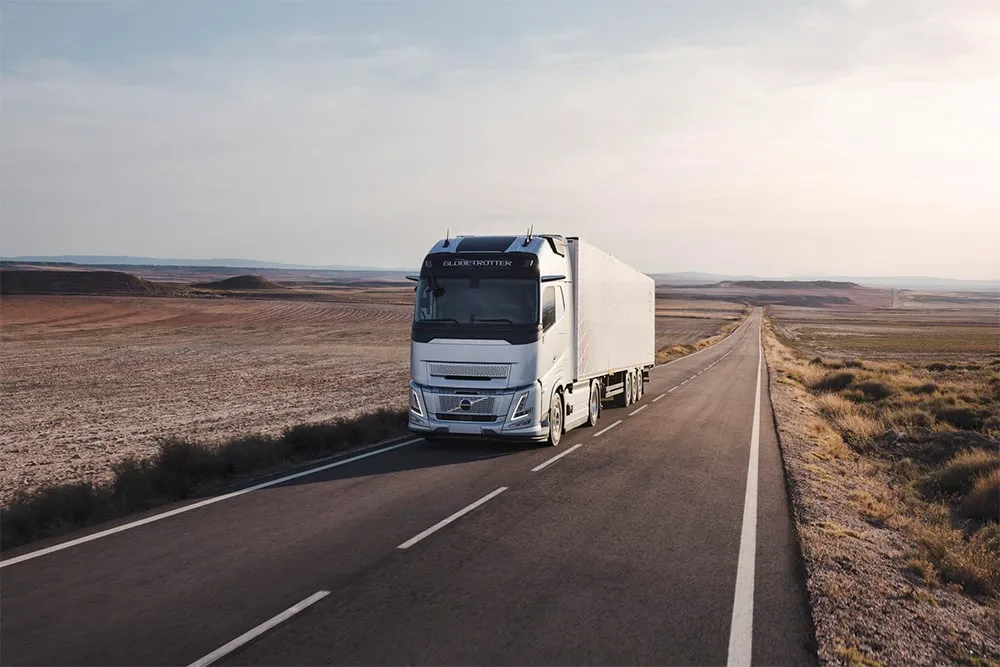
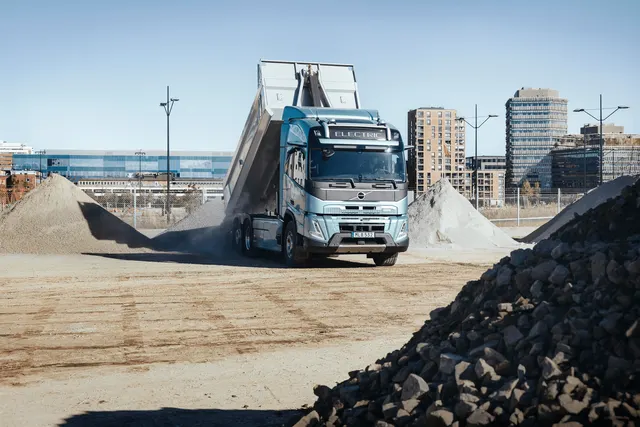
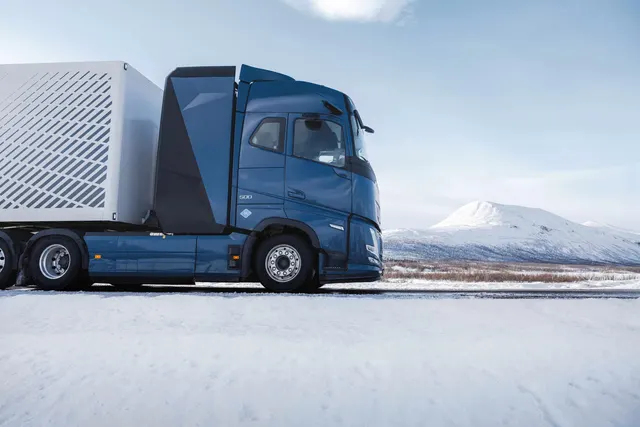
Volvo is increasing its use of low-CO2-emission steel* in its trucks. The steel is produced using recycled material and fossil-free energy, and will be used in tens of thousands of Volvo trucks from next year.
Volvo is now increasing its use of low-CO2-emission steel in its trucks. In 2022, Volvo became the world’s first truck manufacturer to introduce this type of steel in its electric trucks. The company is now extending the use of low-CO2-emission steel to all powertrains.
The new steel is produced by Swedish steelmaker SSAB and is called SSAB Zero. It is made from recycled material and produced using fossil-free electricity and biogas. As a result, CO2 emissions are reduced by around 80% compared with the production of conventional steel using fossil energy.
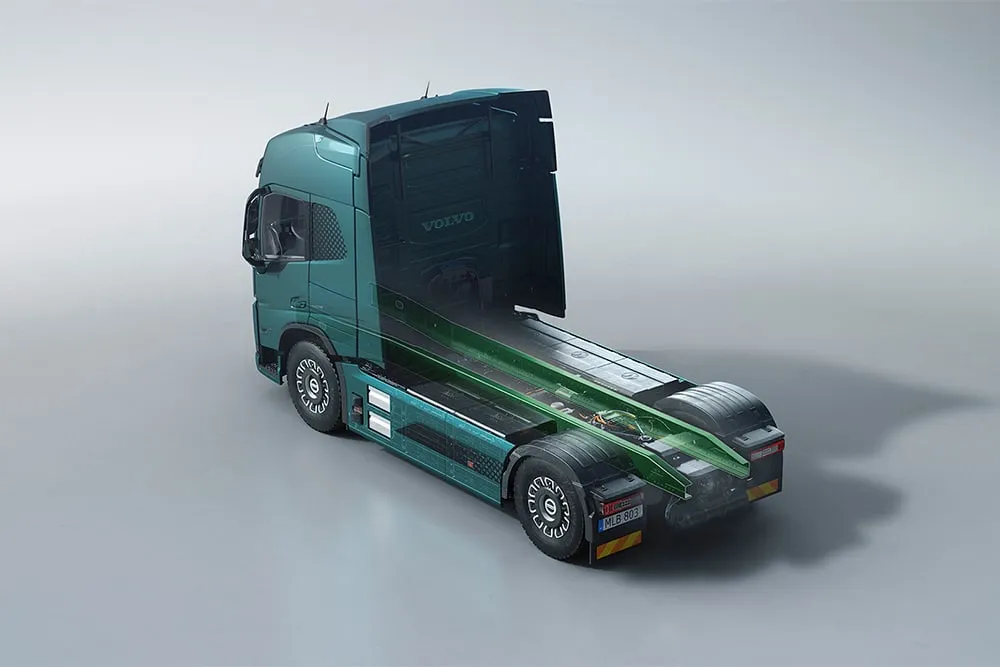
Next year, the frame rails of around 12,000 Volvo FH and FM trucks will be made from low-CO2-emission steel. This will save 6,600 tonnes of CO2 equivalents**. As the availability of low-CO2-emission steel increases, it will be introduced in more truck models and other truck components.
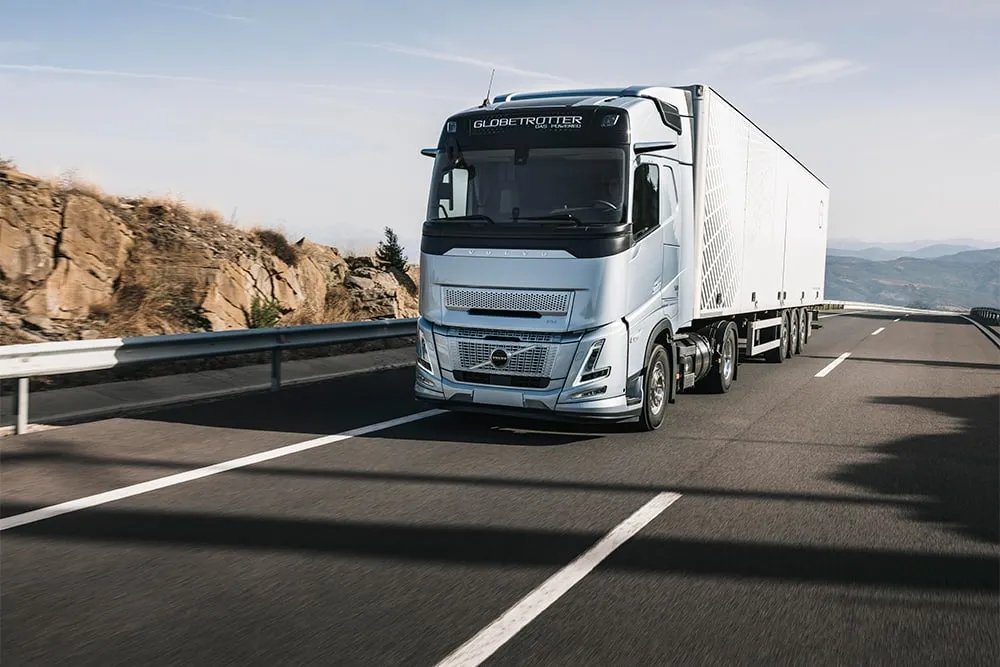
Volvo also plans to replace other materials in its trucks with lower-emission alternatives.
“This is another step towards our zero-emissions vision. Steel is one of the most important materials in our trucks. We also want to replace other materials, such as aluminium and plastic, with low-emission alternatives. We are proud to lead the industry when it comes to sustainable materials in our trucks,” says Jan Hjelmgren, Senior Vice President Product Management and Quality, Volvo Trucks.
Half of a truck is made of steel
There is significant potential to reduce CO2 emissions, as almost half of a truck is made of steel (47% of a Volvo FH diesel truck). Steel accounts for around 44% of the production CO2 emissions (cradle to gate) out of the total 21 tonnes of CO2 equivalents for the Volvo FH diesel.
Volvo Group is working with several suppliers on low-CO2-emission steel. This steel will be an important addition to the conventional and recycled steel used in Volvo trucks.
Volvo Trucks is committed to the Paris Agreement and to achieving net-zero greenhouse gas emissions in its supply chain by 2040 at the latest.
“We continue to work hard to further minimise our climate impact. We are also working towards greater circularity in both our operations and our trucks. Many of our factories, transport operations and dealers already run on renewable energy,” says Jan Hjelmgren.
Facts: The main materials in a Volvo FH diesel truck are steel (47%), cast iron (26%), polymers (11%) and aluminium (8%). They account for around 44%, 26%, 14% and 8% of production CO2 emissions (cradle to gate), respectively, out of the total 21 tonnes of CO2 equivalents for the Volvo FH diesel.
* Low-CO2-emission steel is steel with a significant reduction in CO2 (80% or more) from cradle to gate.
** CO2 equivalents include all greenhouse gas emissions, including methane, for example.
Een zakelijke vraag aan Volvo Trucks Belux? Get in touch
Companies in this story
Keep following this
Get an email when a new story is published. No account needed.
- SubjectTransport & off-road
- CompanyVolvo Trucks Belux