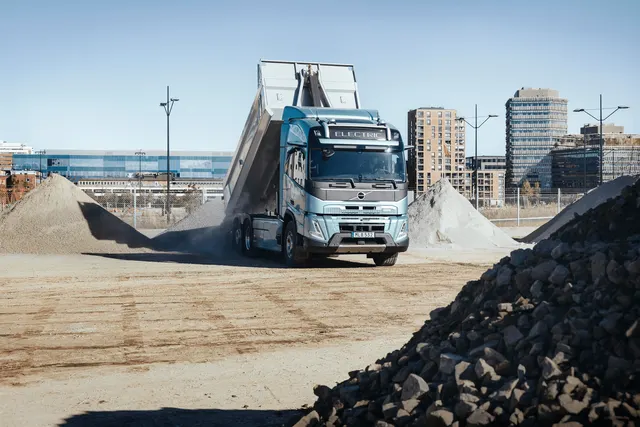
Volvo Trucks further improves fuel consumption and performance of its heavy-duty powertrains
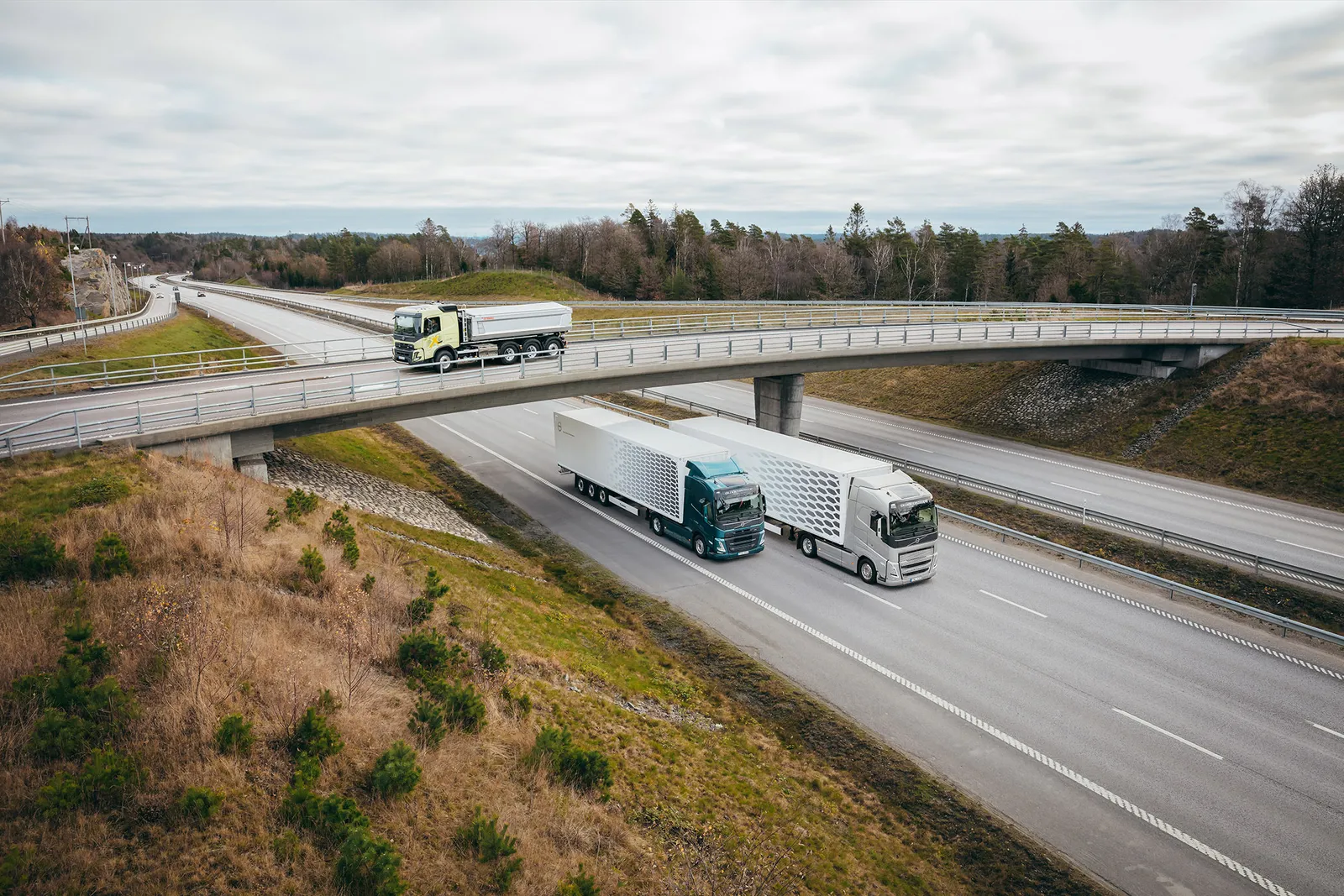
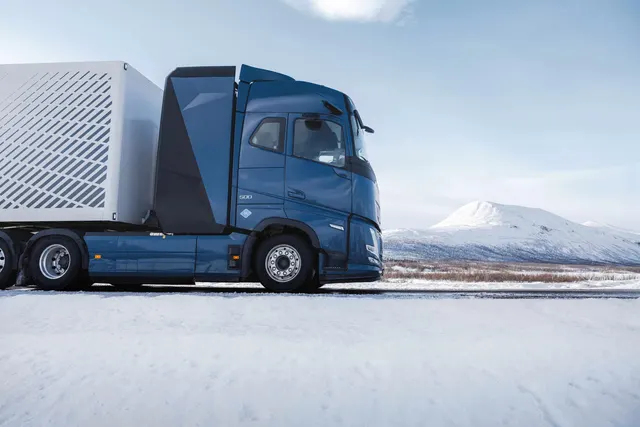
Volvo Trucks is introducing a number of major updates to its Euro 6-compliant 11- and 13-litre engines, combining lower fuel consumption with improved drivability.
“Reducing fuel consumption is crucial for all transport companies, particularly those involved in long-haul transport. At the same time, they want to enjoy top performance. Thanks to the latest improvements to our proven powertrain technology, they can now benefit from this unique combination of fuel savings and improved drivability,” says Peter Himpe, Vice President at Volvo Trucks Belgium.
“Best-ever fuel performance” on a familiar test route
The Volvo FH with I-Save, already known for its low fuel consumption, is also receiving the same engine and powertrain updates. In 2020, it achieved its “best-ever result” in a fuel test on the Green Truck Award test route north of Munich, Germany, recording fuel consumption of 22.7 litres per 100 km and an average speed of 80.35 km/h. Several independent tests by trade publications this year have confirmed this leading fuel performance. These record figures can now be improved further.
“We have received plenty of feedback from hauliers confirming the low fuel consumption of the Volvo FH with I-Save. We are therefore very excited about how the new powertrain improvements will make the Volvo FH with I-Save even more fuel-efficient and directly contribute to better profitability for our customers,” says Peter Himpe, Vice President at Volvo Trucks Belgium.
Fine-tuning delivers significant improvements
With the launch of I-Shift in 2001, Volvo Trucks reaffirmed its strong belief that a transmission with a clutch is the most efficient design for automated gear changes. Since then, more than one million trucks equipped with I-Shift technology have been sold worldwide. The new way in which the I-Shift gearbox communicates with the engine delivers a significant improvement in drivability. The updated I-Shift uses a new shift strategy that not only allows faster gear changes, but also provides a smoother, more harmonious driving experience.
Lower fuel consumption is achieved through reduced engine friction and a refined combustion process. Engine torque is intelligently and expertly managed by the updated I-See function, which optimises engine performance by taking into account the road topography and vehicle weight.
“Volvo’s engineers have genuinely managed to make an already sophisticated powertrain significantly better. Although it is still a little too early to share the precise figures, our customer trials are looking promising,” continues Peter Himpe, Vice President at Volvo Trucks Belgium.
Volvo Trucks aims to go fossil-free
Volvo Trucks’ aim is for electric trucks to account for half of its sales by 2030. Ten years later, in 2040, all Volvo trucks sold must be fossil-free. The internal combustion engine will continue to play a role, and the improved efficiency delivered by these new powertrain developments is an important way to help reduce CO2 emissions.
“We are committed to the Paris Agreement and are taking decisive action to drastically reduce CO2 emissions from road freight transport,” concludes Peter Himpe, Vice President at Volvo Trucks Belgium.
Question about this story? Ask your question
Keep following this
Get an email when a new story is published. No account needed.
- ThemeConstruction transport on road and site
- SubjectTransport & off-road