Volvo Trucks celebrates 10 years in the construction sector
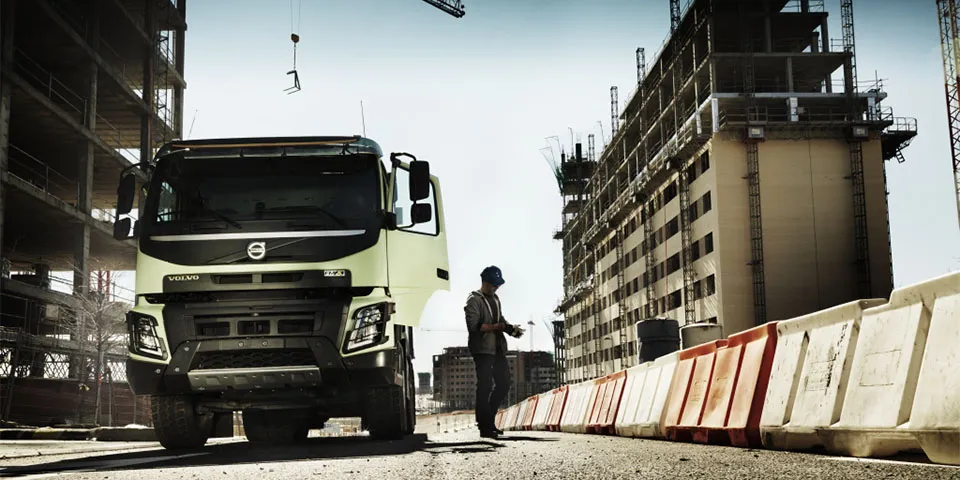
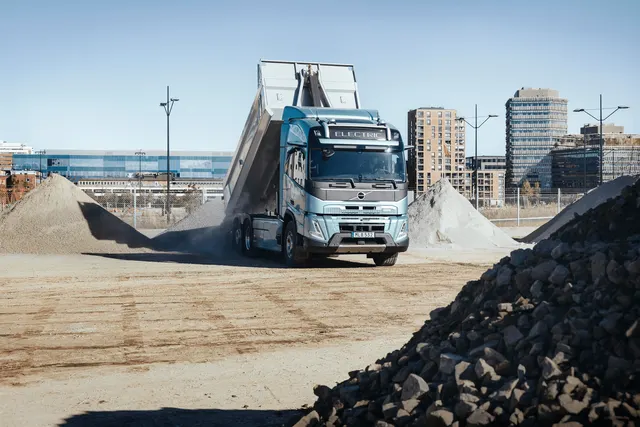
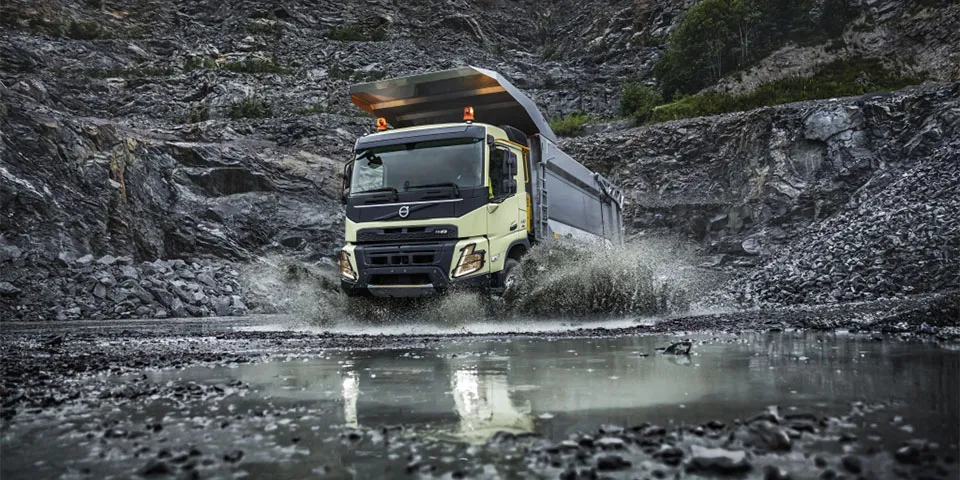
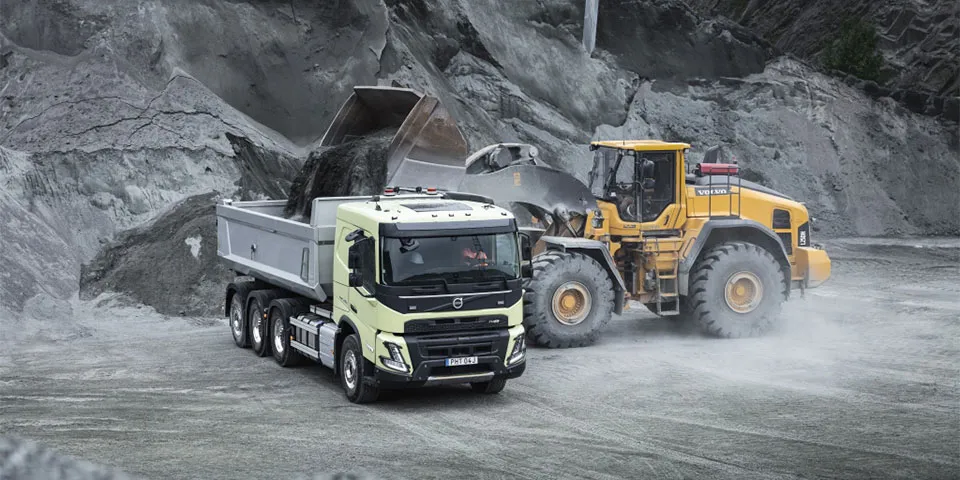
Volvo Trucks has recently begun selling its most robust construction vehicle ever, the new Volvo FMX. This is the third version of the Volvo FMX and features an all-new cab, increased payload capacity and innovative safety features. With increased front axle loads of up to 20 tonnes and a 38-tonne tandem axle, it is built for the most demanding jobs, even on very rough terrain. The new Volvo FMX is designed for future electric powertrains and certified to run on HVO, a fossil-free alternative to diesel.
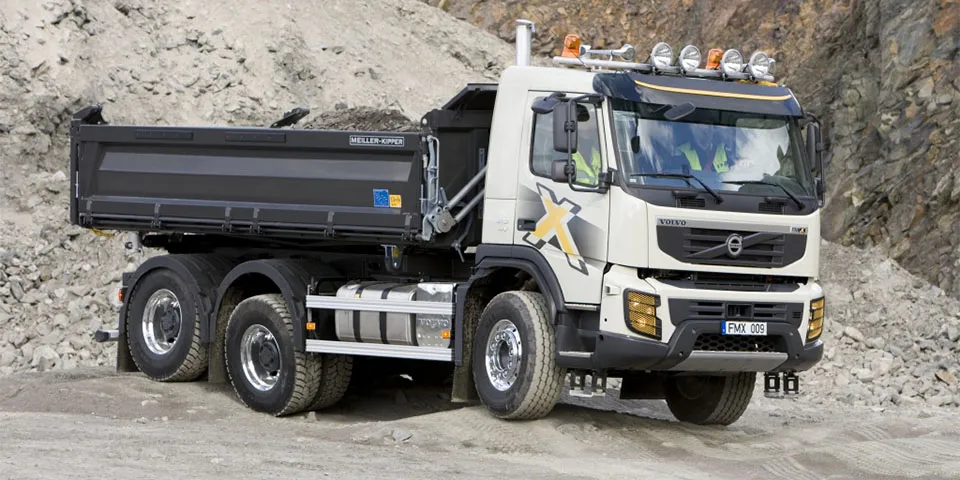
In 2010, Volvo Trucks introduced the Volvo FMX for the first time, a vehicle developed specifically for the demanding construction sector. Since then, it has built a reputation as one of the toughest construction vehicles on the market, thanks in part to the introduction of numerous innovative features. The new Volvo FMX is built on an entirely new cab platform, drawing on Volvo’s ten years of experience in delivering robust construction vehicles.
“The new Volvo FMX is designed to offer a superior combination of manoeuvrability and durability. Alongside its robust design, the new cab, with its upright A-pillars, offers more space and better visibility. It is also easier to get in and out,” explains Helena Alsiö, Vice President of the FM and FMX product line at Volvo Trucks.
Traction control made easy
With the new Volvo FMX, it is easy to switch from an inter-axle differential lock to full differential locking and back again. Simply turning the traction control knob tells the driver’s vehicle to synchronise wheel speeds automatically before engaging the full differential lock. The driver receives immediate, clear feedback on the instrument panel and can monitor the differential locks in real time.
Change direction with ease
At speeds below 15 km/h, the vehicle’s direction can be changed with ease. After moving the I-Shift selector from forward to reverse, the driver can slow the vehicle using the accelerator pedal. How quickly the vehicle changes direction depends on how hard the accelerator is pressed.
“The option to change direction while driving is very useful, especially when combined with Volvo Dynamic Steering for manoeuvring at low speeds in tight spaces,” explains Helena Alsiö.
Effortless, precise driving
Introduced in 2013, Volvo Dynamic Steering is a patented technical innovation that makes it possible to steer a vehicle with minimal effort. It combines conventional hydraulic power steering with an electronically controlled electric motor mounted on the steering gear.
“Volvo Dynamic Steering has been a great success and is perfect for a construction vehicle. At low speeds, it makes steering effortless and precise, while reducing strain on the driver’s arms and shoulders. This means greater safety and a lower risk of workplace accidents,” says Helena Alsiö.
Gross combination weights of up to 150 tonnes boost productivity
The new Volvo FMX adds the heaviest option to the Volvo chassis range: a 38-tonne leaf-sprung tandem axle that allows a gross combination weight of up to 150 tonnes. In addition, the front suspension has been updated to handle front axle loads of up to 10 tonnes, or 20 tonnes with twin front axles, on very rough terrain. On vehicles with a pusher or tag axle, the steering angles have been increased, improving manoeuvrability and reducing tyre wear. All these improvements help boost productivity and cut costs in construction transport operations.
I-Shift gearbox for heavy loads
Thanks to the construction version of Volvo’s leading I-Shift gearbox, the Volvo FMX can handle rough and hilly terrain while maintaining high productivity and driver comfort. In 2016, Volvo Trucks introduced I-Shift with crawler gears, enabling the vehicle to pull away from a standstill with loads of up to 325 tonnes. It also allows truck drivers to travel at speeds as low as 0.5 km per hour, a great help when manoeuvring with precision.
Enhanced safety
The new cab of the Volvo FMX offers a number of improvements to the driver’s field of vision, including larger windows, a lower door line and new rear-view mirrors. Visibility can be improved further by adding a blind-spot camera, which clearly displays the side of the vehicle on the 9” secondary dashboard display.
You can also add up to 6 cameras, with views shown on the secondary dashboard display, including 4 views simultaneously. This allows the driver to keep an eye on both the vehicle and its immediate surroundings.
Additional safety features include downhill cruise control, which sets a maximum speed to prevent unwanted acceleration when driving downhill. The electronically controlled braking system (EBS), a requirement for Collision Warning with Emergency Brake and Electronic Stability Control (ESC), is now standard on the new Volvo FMX. Volvo Dynamic Steering, with lane departure warning and Stability Assist, is available as an option.
The new traffic sign recognition system further enhances safety by displaying signs such as speed limits, no-overtaking signs and road types on the digital instrument panel.
For very demanding applications such as mining, the Volvo FMX has an optional steel roof hatch with an emergency release handle that removes the entire hatch.
Question about this story? Ask your question
Keep following this
Get an email when a new story is published. No account needed.
- ThemeConstruction transport on road and site
- SubjectTransport & off-road