Volvo’s gas-powered trucks gain ground, with CO2 reductions of up to 100% possible
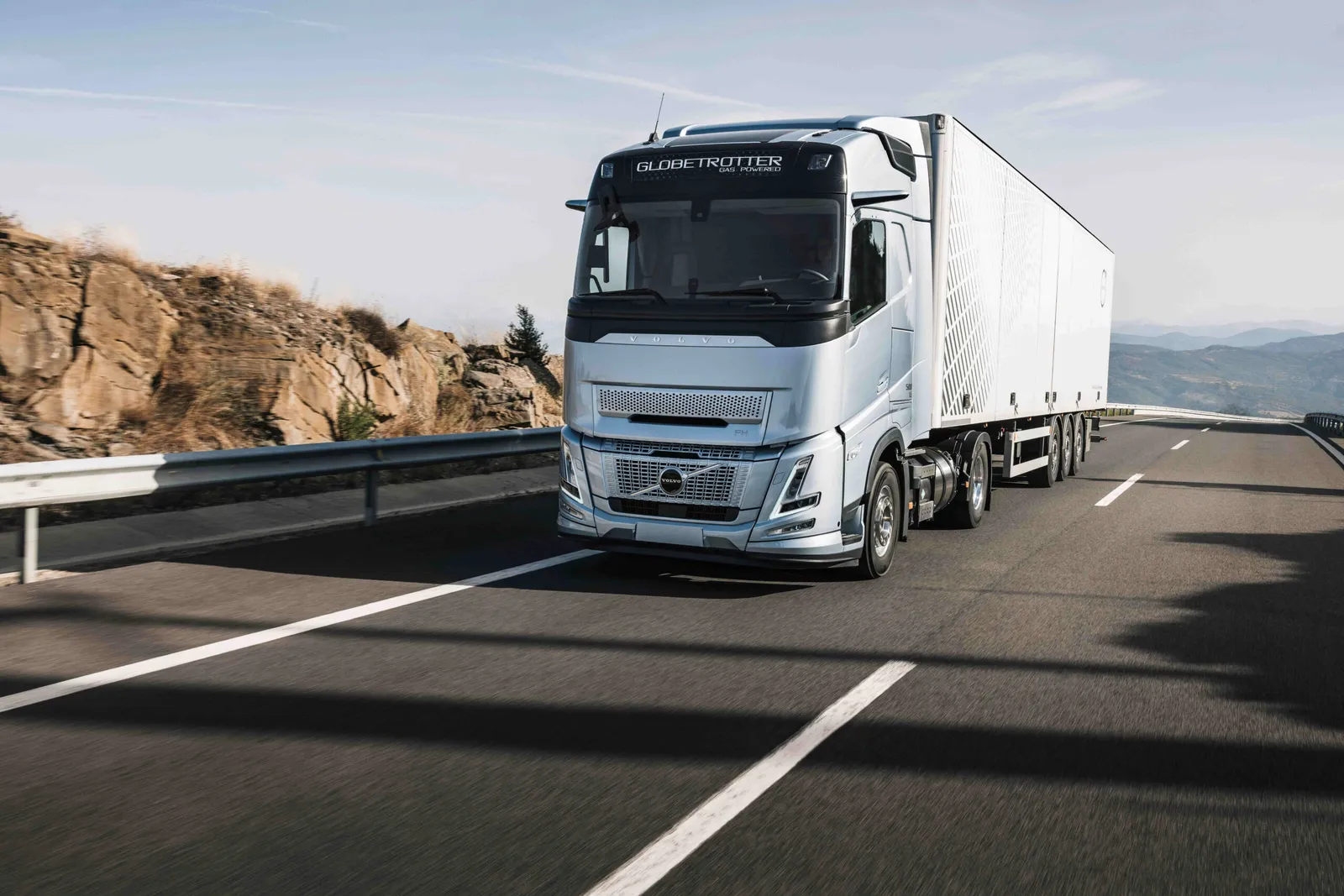
Demand for Volvo’s gas-powered trucks is growing, with sales up by more than 25% in 2024. Gas-powered trucks offer a growing solution for transport operators looking to reduce their CO₂ footprint, with emissions reductions of up to 100% possible thanks to renewable fuels.
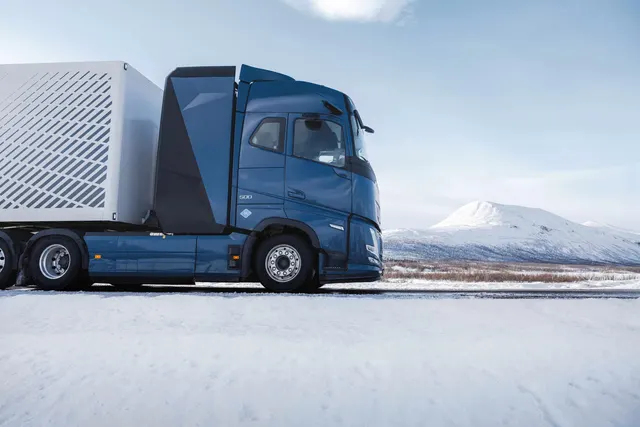
Global customer demand for Volvo’s gas-powered trucks is growing, and Volvo Trucks has sold more than 8,000 units worldwide. Sales rose by 25% in 2024, with Sweden, Norway, the Netherlands, Spain and the United Kingdom among the leading markets. Volvo’s gas engines are available in the Volvo FM, FH and FH Aero models, and can switch seamlessly between biogas, a non-fossil gas made from organic waste, and conventional LNG (liquefied natural gas).
Volvo’s gas-powered trucks can travel up to 1,000 kilometres, making them suitable for long-haul transport, regional distribution and the construction sector. They offer a viable alternative to other low-emission vehicles as transport operators increasingly seek sustainable solutions.
“Many of our customers are replacing their diesel trucks with gas-powered trucks to cut their CO₂ emissions here and now,” says Jan Hjelmgren, Head of Product Management at Volvo Trucks. He adds: “Volvo’s gas-powered trucks offer transport operators a win-win: a lower total cost of ownership and a smaller CO₂ footprint, without compromising productivity.”
Several countries already have an extensive network of gas refuelling stations, with biogas becoming increasingly available. Global biogas production rose by 21% in 2024*. This makes CO₂ reductions of up to 100% achievable for a significant number of users. Biogas is cost-effective compared with diesel in markets offering tax incentives and subsidies for renewable fuels and low emissions. Conventional LNG also cuts CO₂ emissions by up to 20% (“tank to wheel”) compared with diesel trucks.
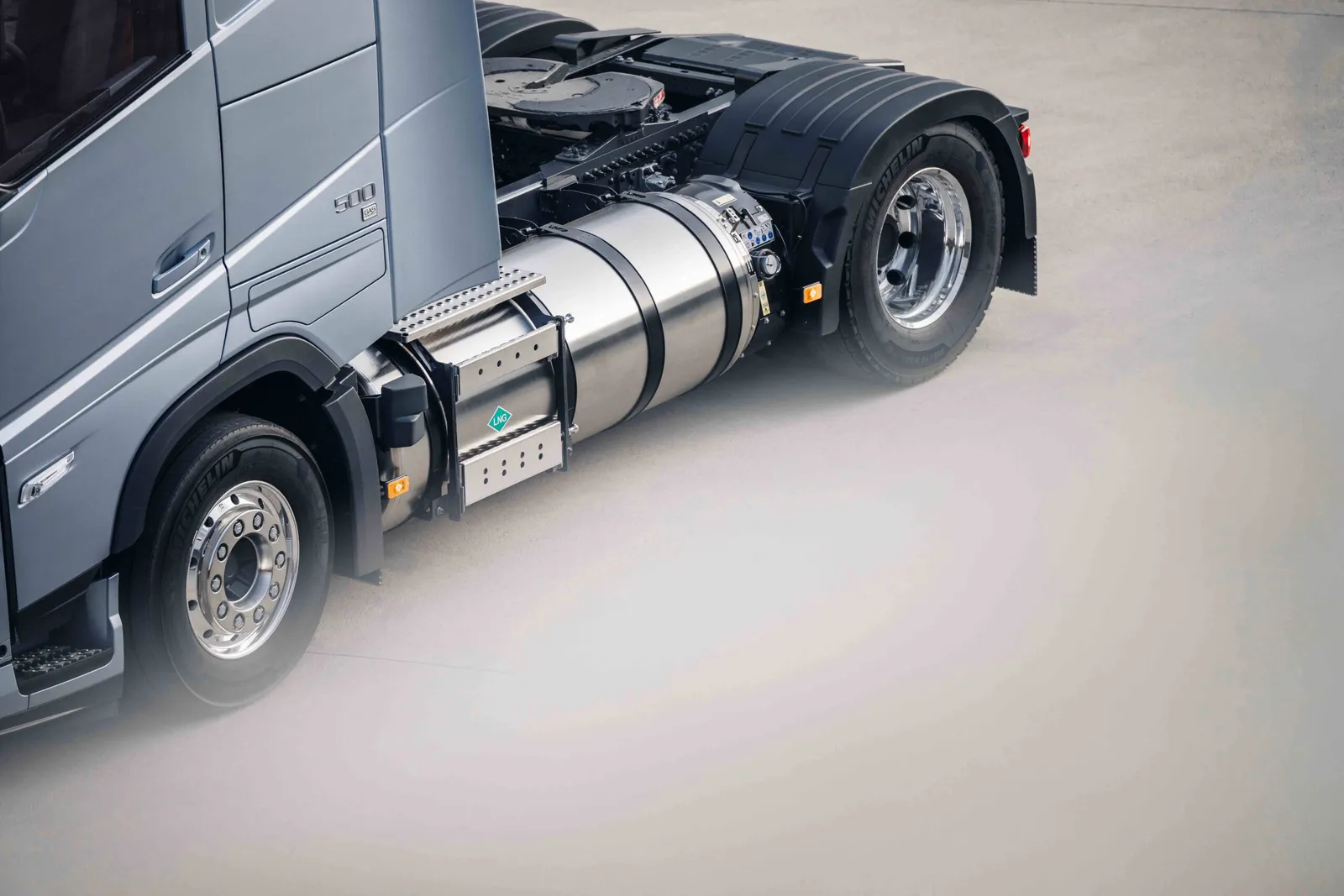
Significant CO₂ and cost savings, without compromise
Volvo offers exceptional gas engine technology based on its best-selling D13 diesel engine, delivering performance on a par with a diesel truck, but with lower CO₂ emissions.
“Our gas engines feature superior technology that outperforms the competition in power, torque, engine response and fuel consumption. Drivers particularly value the low noise levels, driving comfort and performance of our gas-powered trucks,” says Jan Hjelmgren. “We see great potential for gas-powered trucks on the road to zero-emission transport.”
CO₂ savings with gas-powered trucks: the facts
- Switching from diesel to LNG: up to 20% CO₂ reduction (“tank to wheel”)
- Switching from diesel to biogas/Bio-LNG: up to 100% CO₂ reduction (“well to wheel”)
- Bio-LNG is produced from waste streams such as household waste, agricultural waste and sewage sludge.
- Bio-LNG has the same performance, storage and refuelling characteristics as conventional LNG.
Volvo’s gas-powered trucks: the facts
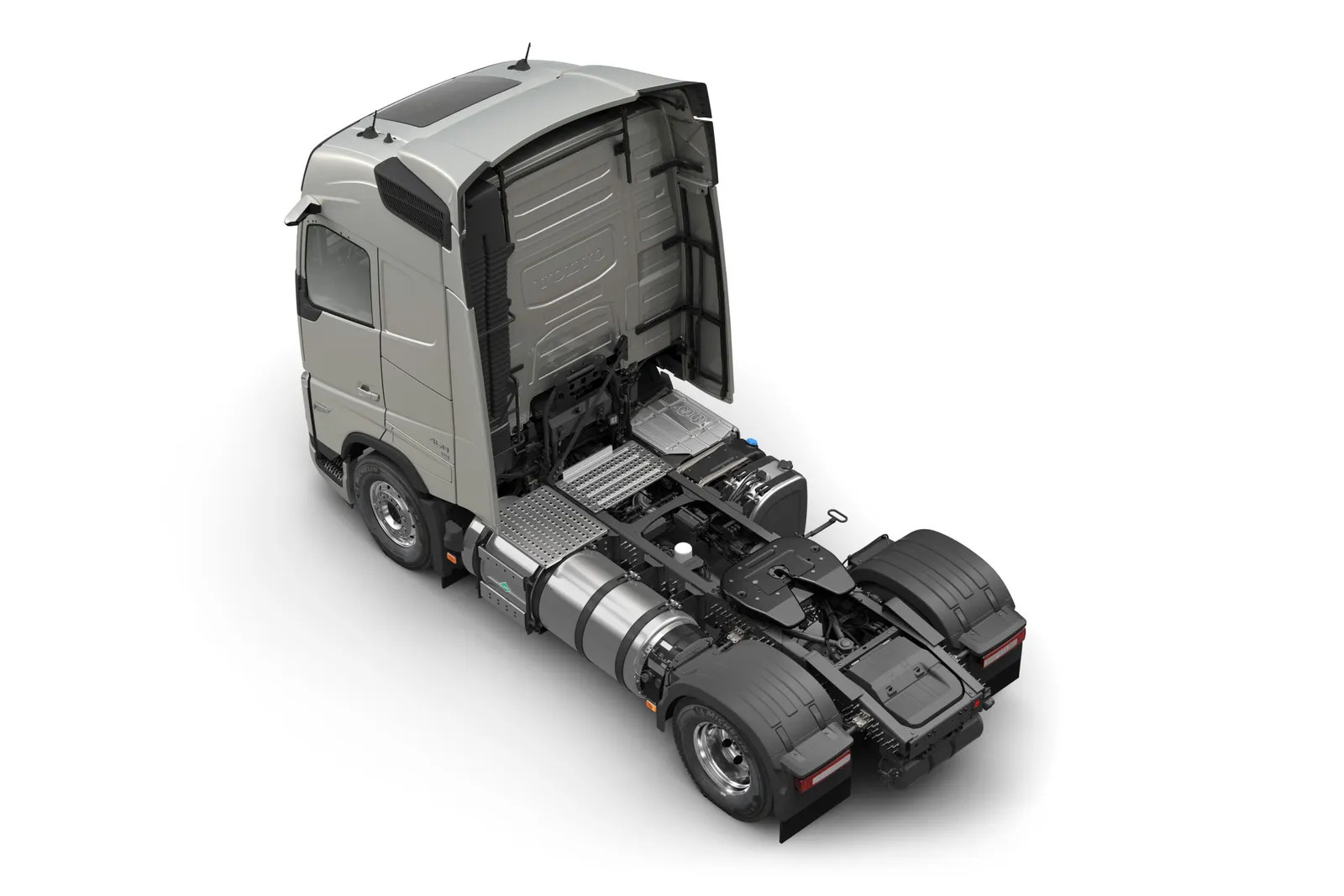
- Available as the Volvo FM, FH and FH Aero in 4×2, 6×2 and 6×4 tractor and rigid configurations, certified up to 60 tonnes
- Volvo G13 LNG engine based on the D13 Euro 6 diesel engine, available in three power outputs: 420 hp / 2,100 Nm, 460 hp / 2,300 Nm and 500 hp / 2,500 Nm
- Largest fuel tank: 225 kg of gas, providing a range of 1,000 km
- Uses Cespira’s fuel-efficient HPDI (High Pressure Direct Injection) technology: cespira.com
- A small amount of diesel is needed for ignition; using HVO as the ignition fuel makes CO₂ reductions of up to 100% possible
- Biogas is one of the fuel types essential to Volvo Trucks’ powertrain strategy for achieving net-zero emissions by 2040.
- Volvo Trucks’ three-pronged strategy for achieving net-zero emissions consists of battery-electric vehicles, fuel-cell-powered vehicles
*According to a report by the European Biogas Association
Een zakelijke vraag aan Volvo Trucks Belux? Get in touch
Companies in this story
Keep following this
Get an email when a new story is published. No account needed.
- SubjectTransport & off-road
- CompanyVolvo Trucks Belux