Exceptra: the heavier, the better
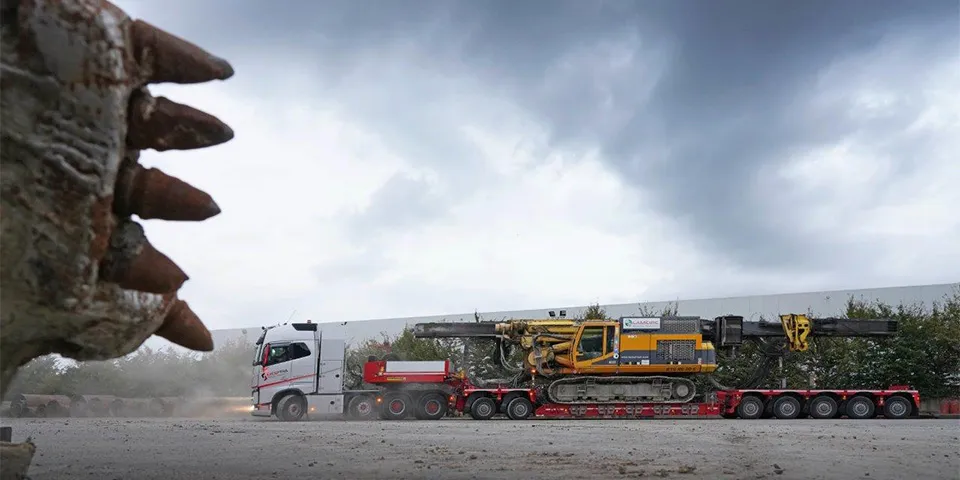
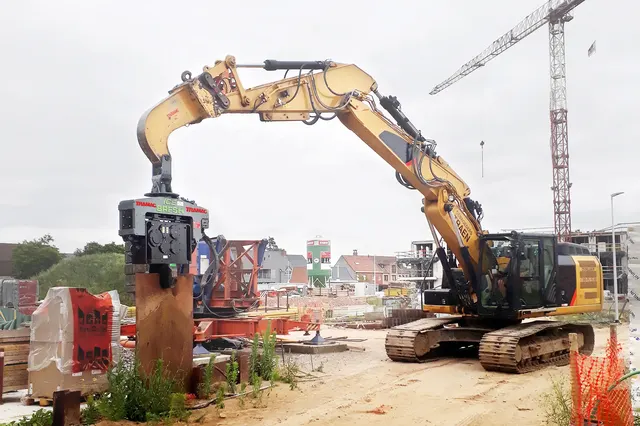
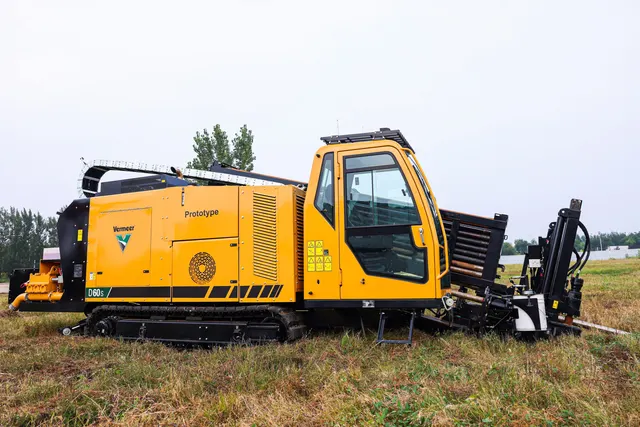
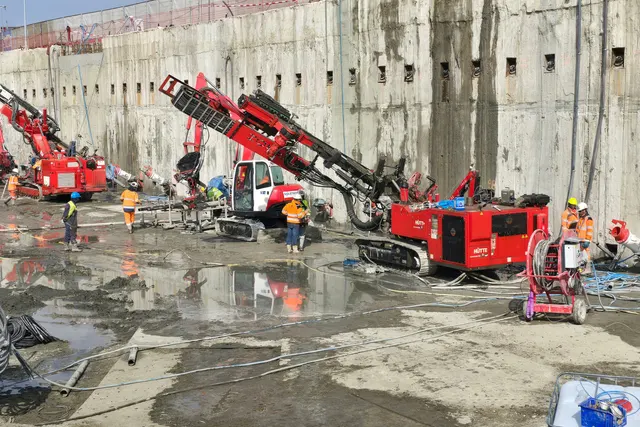
Every day, owner-driver Timmy De Jongh travels all over Belgium in his Volvo FH16 750 hp 8×4 tridem, usually carrying exceptional loads such as heavy foundation rigs, with gross weights of up to 135 tonnes.
The exceptional transport market, too, is seeing a trend towards ever-larger companies. But that does not mean there is no longer room for small specialist firms such as Exceptra, where personal attention and service are a top priority. Timmy De Jongh, co-managing director of Exceptra: “I had been working on the side for several years, handling everything related to permits for exceptional transport, but I was keen to own a lorry. In my main job, I was already driving a lorry for Lameire Funderingstechnieken and was responsible for the company’s heavy mobile equipment.”
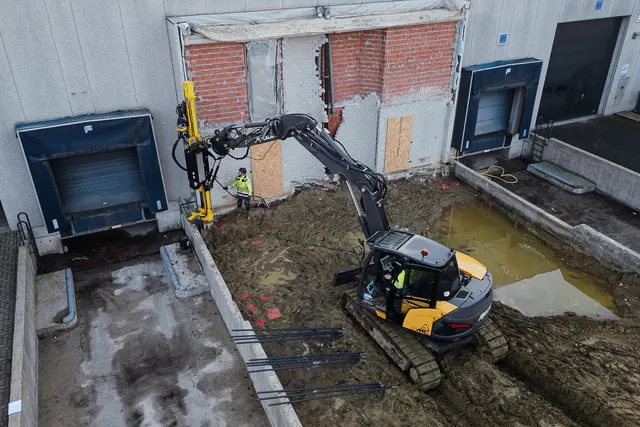
Following close consultation with Mr Yves Lameire, managing director of Lameire Funderingstechnieken, a new company was set up: Exceptra. “Lameire has since merged with Votquenne Foundations, and the two companies are now part of the 2Fund group. I handle transport for around 15 machines weighing more than 45 tonnes for the group, supplemented by third-party work to keep my Volvo combination operating at full capacity,” says Timmy.

Exceptional torque
Gross combination weights of between 120 and 135 tonnes are what Exceptra is all about. “Exceptional transport is a relative term, in the sense that it can also include moving a small crawler excavator, or loads that are exceptional because of their width or length. But that is not my target market. Exceptra focuses on the heavy segment, which is why I am almost always on the road with one or two external escort vehicles.” Exceptra currently has one vehicle: a Volvo FH16 750 hp 8×4 tridem with a hydraulically steered tag axle, coupled to a 2+5-axle extendable low-loader.
“We spent a long time considering which vehicle to buy, but there was little doubt about choosing Volvo Trucks, thanks to the incredible torque the Volvo offers compared with other brands. Belgium may not have any real mountains, but it does have a few steep hills that I regularly have to tackle with my combination. That is when you notice the Volvo’s power and quality.
When climbing hills at full weight, the average speed stays almost the same, and fuel consumption does not increase either. The 2+5-axle low-loader has the advantage that many machines do not need to be dismantled, which saves a considerable amount of time. Dismantling machines is extremely time-consuming and only drives up costs.”
Applying for permits and exemptions takes a great deal of time. The Belgian road network available to exceptional transport is a complex matter. “A lot of time in exceptional transport goes into planning the route. It is essential if you want to avoid surprises along the way. The rules are often a maze that outsiders are frequently unaware of, such as the speed limits when crossing a bridge or the number of escort vehicles required. Those are just a few examples. Fortunately, I have a lot of permits for routes I use regularly. Many machines go straight from one site to another, where a strict schedule has to be followed. I cannot afford any downtime or delays,” concludes Timmy De Jongh.
Question about this story? Ask your question
Keep following this
Get an email when a new story is published. No account needed.
- ThemeDeep foundation equipment
- SubjectPiling & foundations