Hiring electric machines is a smart way to learn about zero emissions
Text Pieter de MosImage Boels Rental
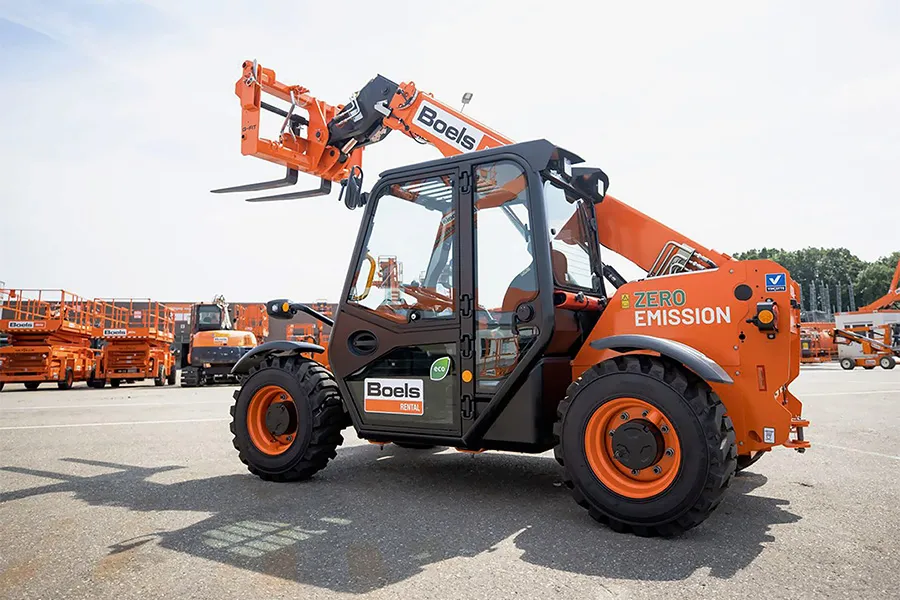
Zero emissions, or no emissions at all, is a topic we hear about increasingly often as climate change means we need to reduce CO2 emissions on our construction sites. But how do we do that? Some say hydrogen, others talk about hybrid machines, while a third group opts for plant-based HVO fuels. And what about electrically powered machines and tools? Is this alternative power source as good and reliable as the diesel engines we know and trust? Are these machines just as powerful, and can you work with them all day without any problems? And how do you get all that electricity to a remote construction site? These are valid questions that deserve clear answers, says equipment hire company Boels Rental. Because it can be done. Right now! Hiring is a smart first step.
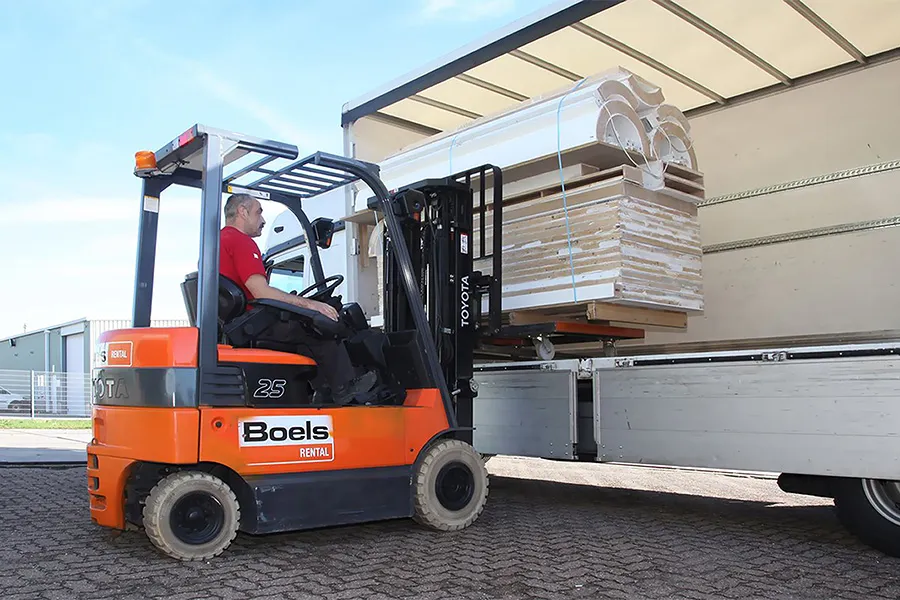
There are already plenty of machines that can be used electrically, and hire companies such as Boels Rental are keen to help customers get started. Hiring an electric machine is an ideal learning experience, they say, giving users a chance to try one without being thrown in at the deep end. There is a good chance you will not want to go back, but that is a risk you will have to take.
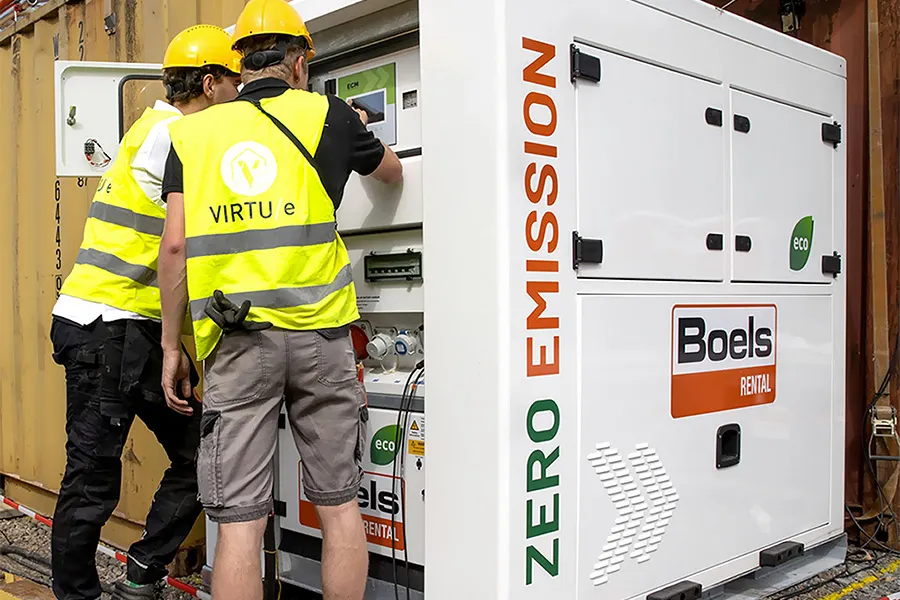
Boels’ range of electrically powered machines and tools for hire is growing steadily. The same goes for power supplies, such as battery packs and low-emission generators. The hire company is also keen to help customers with these, because zero-emission construction also means, for example, using zero-emission generators and heating site cabins without emissions.
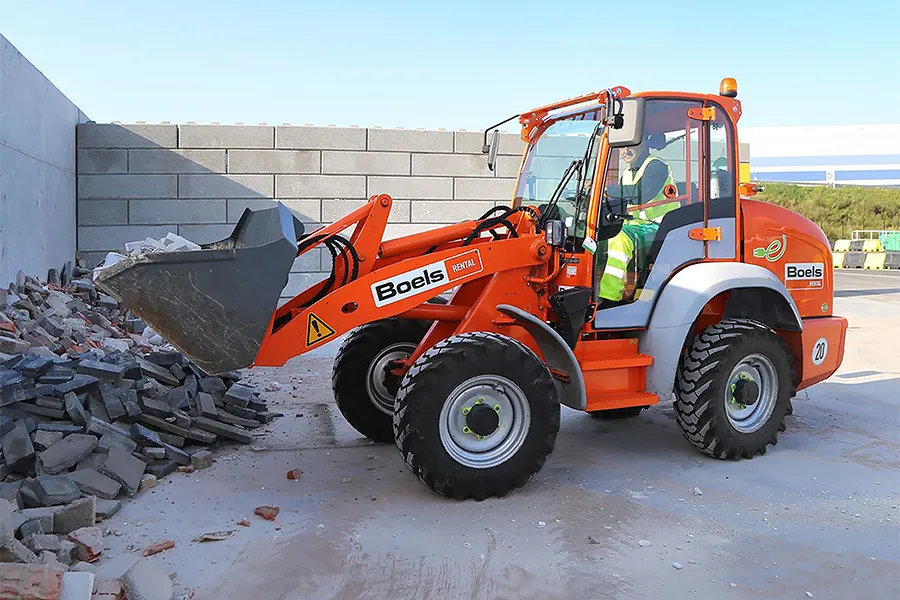
A wide range of zero-emission options
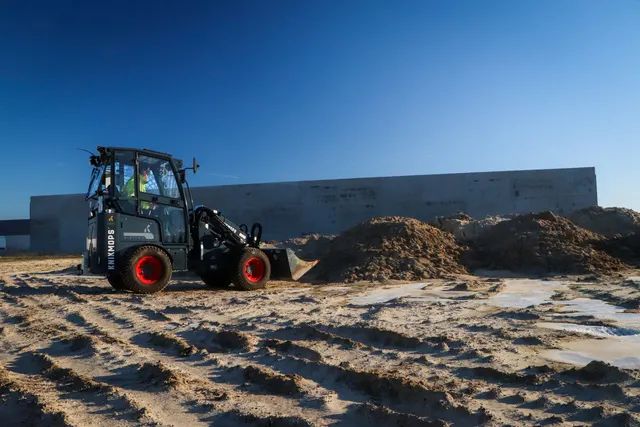
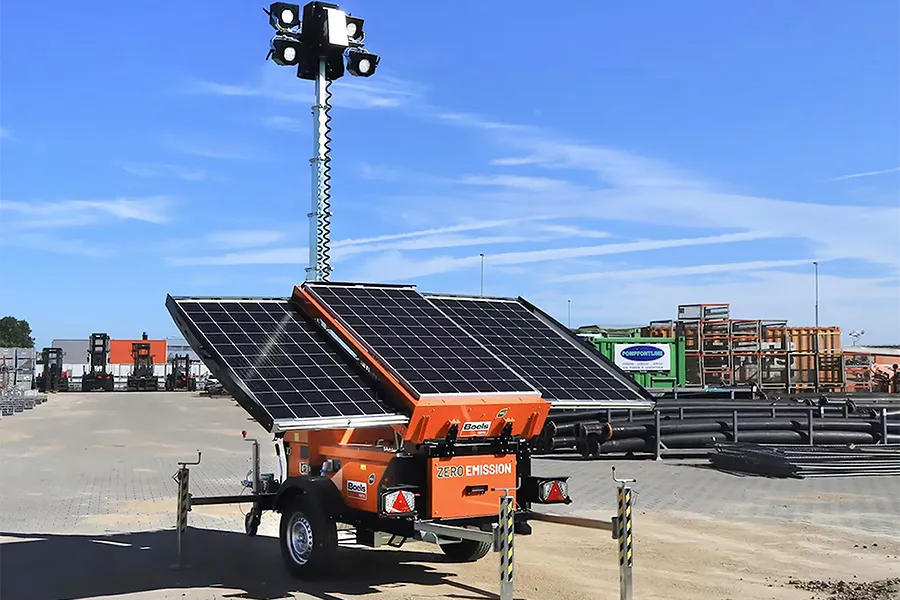
Harm Munsters is Manager Fleet & Maintenance at Boels. Together with his colleagues, he is constantly looking to add to and expand the zero-emission range. Boels currently offers a zero-emission version of a large part of its hire fleet, from compactors and wheel loaders or mini excavators to electric access platforms, telescopic handlers and forklifts. An electric version is now also available for almost all tools used in garden and grounds maintenance. The range also includes lighting towers, mobile solar panels, portable electric generators and battery packs …
Harm is often asked “whether all this new electric equipment is as good as the diesel versions”. He responds with a recent example: “The JCB 2.5-tonne battery-powered telescopic handler delivers the powerful performance our customers are looking for. Under normal use, its 24 kWh lithium-ion battery will last a full working day. Boels also hires out an external fast charger, which charges the battery to 80 per cent in 1 hour. Charging the machine during breaks means work will not have to stop because the battery is flat.” He adds that in practice, running continuously for eight hours is often not even necessary, as most machines actually operate for far fewer hours each day. Another misconception dispelled.
Avoiding charging anxiety
One of the most frequently asked questions when hiring (or buying) electric equipment concerns ‘charging anxiety’: for example, when batteries cannot be fully charged during a lunch break, or when charging all the batteries at once overnight creates excessive peak loads. But there is no need for charging anxiety, says Harm. Companies do, however, need to get used to a different type of charging infrastructure and learn how to manage energy efficiently.
Choosing electrically powered machines means ensuring an adequate supply of electricity on site. Every construction and civil engineering company is used to having fuel delivered for its machines, trucks and generators. Now, however, it has to think about a different way of supplying and storing energy. Chris Dirx, Manager Operations Power & HVAC at Boels, is regularly asked questions such as: is there enough mains power available, can we use battery packs, should we install solar panels, and is someone available to coordinate it all? That is why he believes it is wiser to work with the hire company to electrify step by step and discover where the system’s strengths and weaknesses lie.
Hybrid construction machinery is another option
Those who still doubt whether going fully zero-emission is feasible in their situation can also choose a hybrid construction machine. Harm is happy to explain what this means: “As well as electric or battery power, a hybrid machine has a (small) combustion engine. Where necessary, these machines can operate entirely emission-free on battery power. Depending on the machine, the combustion engine then acts as a kind of back-up, allowing you to move the machine or carry on working if the battery runs out.”
For example, Boels has around ten hybrid access platforms in its range, with working heights from 10 to 28 m. They are economical to run, produce few emissions and are also very quiet when operating on battery power. Hybrid construction machinery often requires a higher investment than conventional machines, but in many cases it is still less expensive than fully electric machinery. In either case, hiring is initially a better option than buying, both economically and environmentally. Hiring also gives companies the opportunity to see whether the new power source and associated charging infrastructure fit their business model. ■
Een zakelijke vraag aan Boels Rental? Get in touch
Companies in this story
Keep following this
Get an email when a new story is published. No account needed.
- ThemeTowards low-emission equipment and transport
- SubjectZero emission
- CompanyBoels Rental