









What is the best way to transport an excavator?
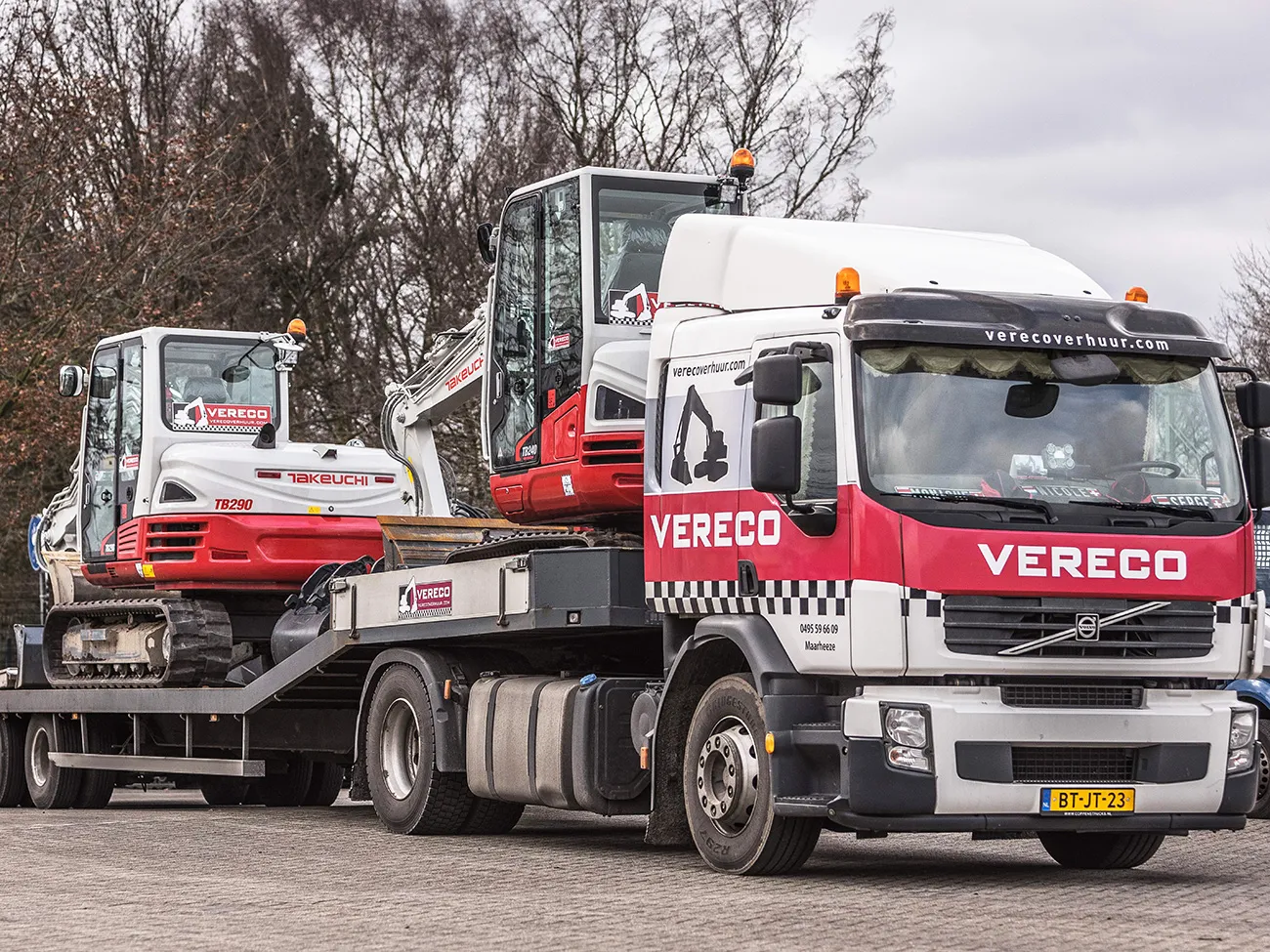
After hiring an excavator through Graaver.com, it is important to make sure it gets to the right location. Fortunately, almost all our rental partners offer an affordable transport service, so you can be sure your hired machine will arrive safely at your job site. Prefer to transport the excavator yourself? You can do that too!
There are several things to consider when transporting an excavator, from securing the machine properly to positioning it correctly on the trailer. One key factor keeps coming up: weight.
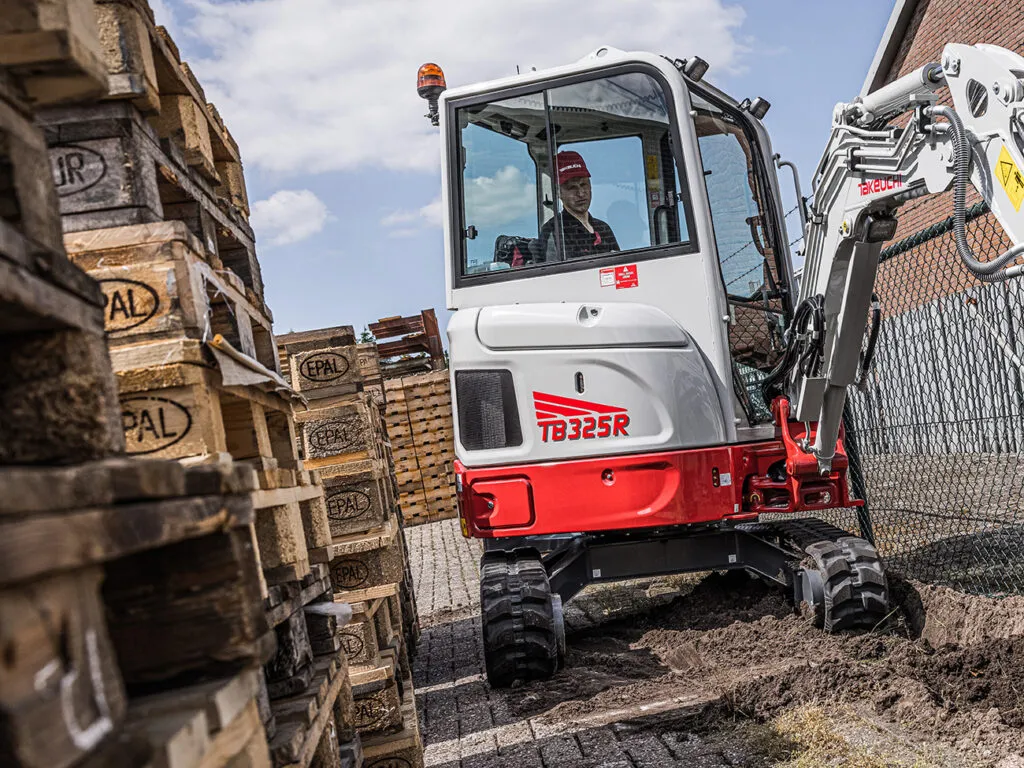
Small but mighty
The weight of the excavator determines which transport method to choose. The right option depends on the permitted maximum mass of the towing vehicle and trailer. This is the unladen weight plus the maximum payload. A van, for example, can have a towing capacity of 3,500 kg, depending on the trailer. This means a van can transport relatively small machines (up to 2.5 tonnes) on a trailer. You need a category B+E driving licence to transport an excavator using a trailer.
The brand-new TB325R does not compromise on digging performance or breakout force. This machine has been specifically designed to be transportable on a trailer. In short, do you have a trailer, want to be sure you comply with the law, and want the most powerful machine in its weight class? Then the TB325R is for you!
The heavy hitters
There are several options for the larger machines in the fleet: a BE combination, a rigid truck, a low-loader and a Euro low-loader. A BE combination has a maximum permitted weight of 7.5 tonnes. Larger machines therefore require heavier transport equipment. In the Netherlands, a rigid truck and tractor unit/low-loader have a maximum weight of 50 tonnes. In Belgium, the limit is 44 tonnes. A Euro low-loader is required for heavier loads. However, you need a permit to use one.
Securing your excavator
Securing an excavator is essential for safe transport. There are several factors to consider. First, the type of undercarriage. Ratchet straps may be used on machines with rubber tracks. Only use undamaged straps, do not place a load on them and do not tie them in knots. Avoid sharp edges to prevent the straps from being cut.
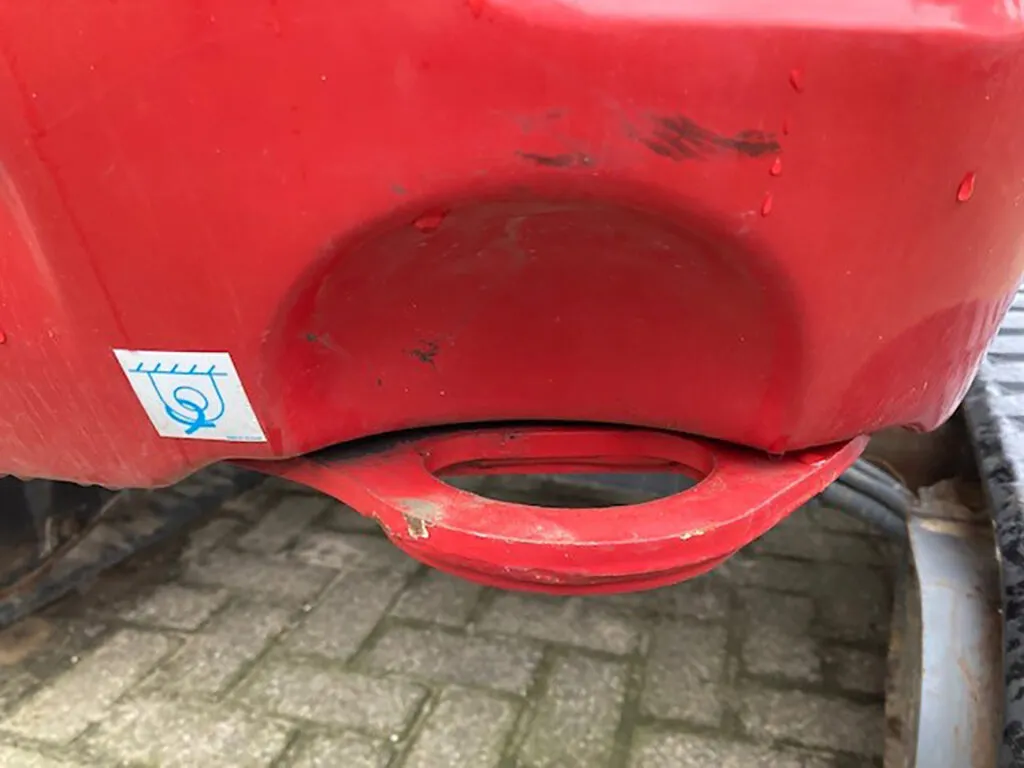
For machines with steel tracks or tyres, chains are required by law to secure the machine. Rubber mats must also be placed under steel tracks. The machine's weight determines how many chains or ratchet straps you need. Always attach the chains or straps to the designated points, such as the lashing eyes. On some new machines, these are marked with a sticker, as shown in the image. Remember to secure loose buckets and other attachments as well as the excavator.
You now know almost everything you need to know about transporting your excavator. You can put this information into practice from now on. This will help you avoid accidents and unnecessary fines, so you can move from one job to the next with peace of mind. Still not quite sure? Graaver's rental partners will be happy to help.
Visit graaver.com now to find a rental partner near you
Question about this story? Ask your question
Companies in this story
Keep following this
Get an email when a new story is published. No account needed.
- ThemeEarthmoving and road construction in practice
- SubjectGeneral
- CompanyStill







