









Volvo Trucks
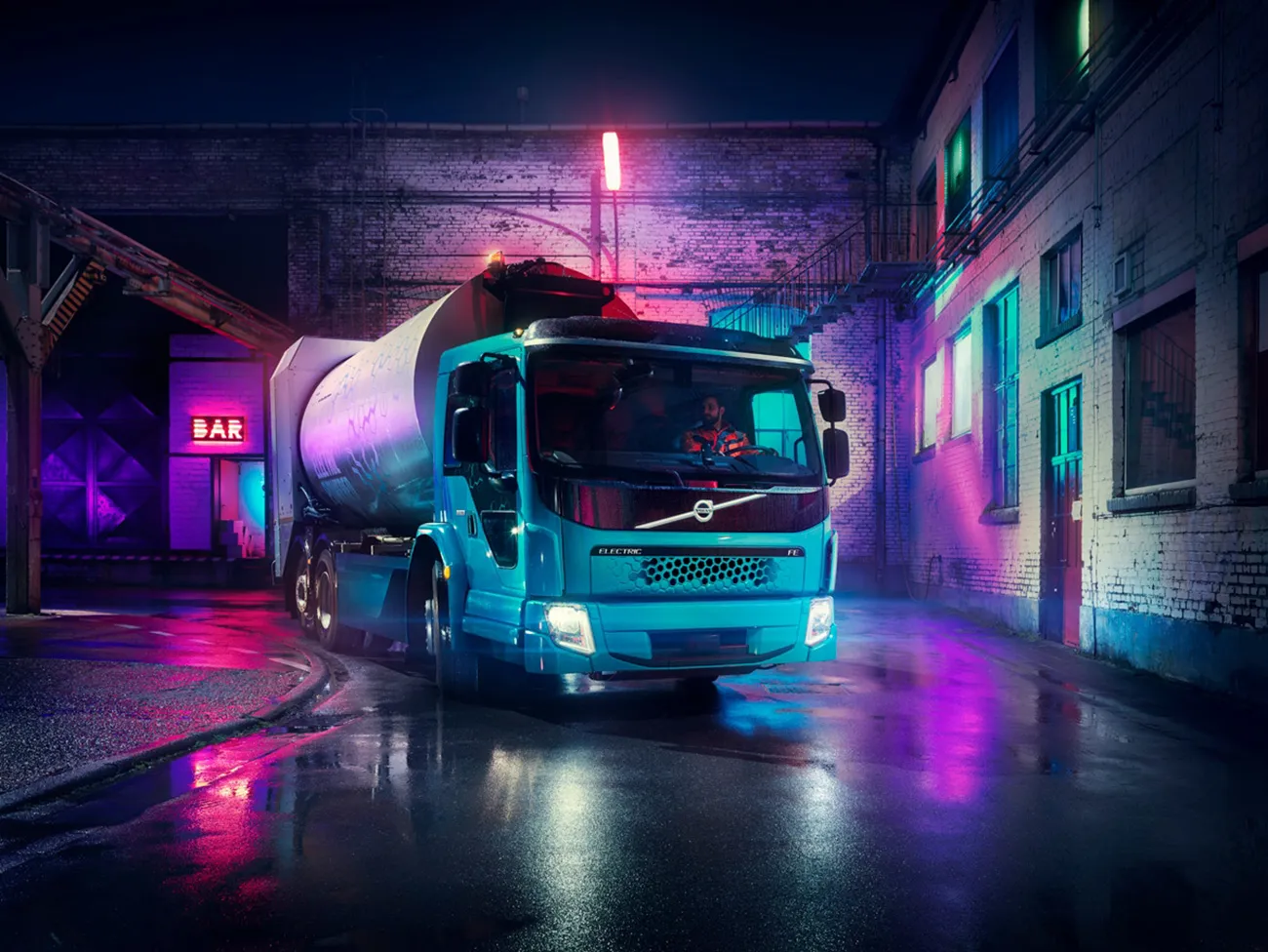
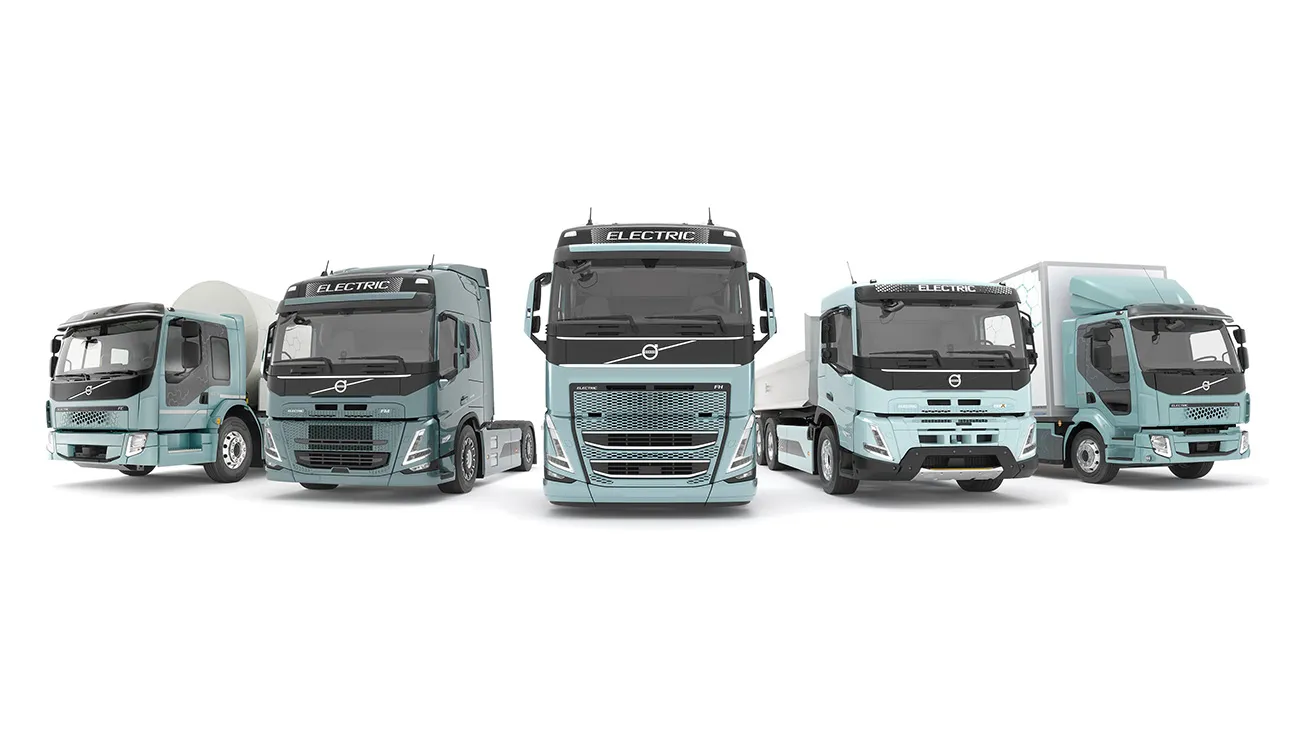
Volvo Trucks has the broadest range of battery-electric trucks in the industry, with six different models in series production. Volvo Trucks has a three-pronged strategy for zero-emission transport: battery-electric, fuel-cell electric and combustion engines running on renewable fuels such as biogas, HVO or even green hydrogen.
“Several technical solutions are needed to tackle climate change, as the availability of energy and fuel infrastructure varies between countries and regions, as well as between different transport tasks,” says Jessica Sandström, SVP Global Product Management at Volvo Trucks.
Reducing CO2 emissions is a priority
Leading e-commerce and manufacturing companies in Europe regard road transport as the sector where reducing CO2 emissions is the highest priority. A new report by Ipsos and Volvo Trucks shows that companies are willing to pay more for transport providers with lower CO2 emissions. Commissioned by Volvo Trucks, research company Ipsos surveyed 100 large e-commerce and manufacturing companies in eight European countries about their plans to prioritise fossil-free transport in future purchasing decisions. The vast majority of these companies have set targets to reduce their climate footprint. Of those surveyed, 78% say they are willing to pay more for a transport provider with low or no CO2 emissions, while 85% are even willing to change transport provider if it fails to meet their sustainability requirements. The survey also reveals a clear link between future business opportunities and the availability of fossil-free transport: 60% of companies fear they will lose customers over the next three years if they cannot meet consumer demand for low-CO2 or zero-CO2 deliveries.
“We are encouraged by this commitment to fossil-free road freight transport. It means we will see a major shift in the industry in the coming years. We are convinced that electrification will be the main driver of zero-emission road transport, and we are proud that we already offer all-electric truck alternatives for most applications. Going electric brings more business opportunities,” says Roger Alm, President of Volvo Trucks.
Global target: 50% by 2030
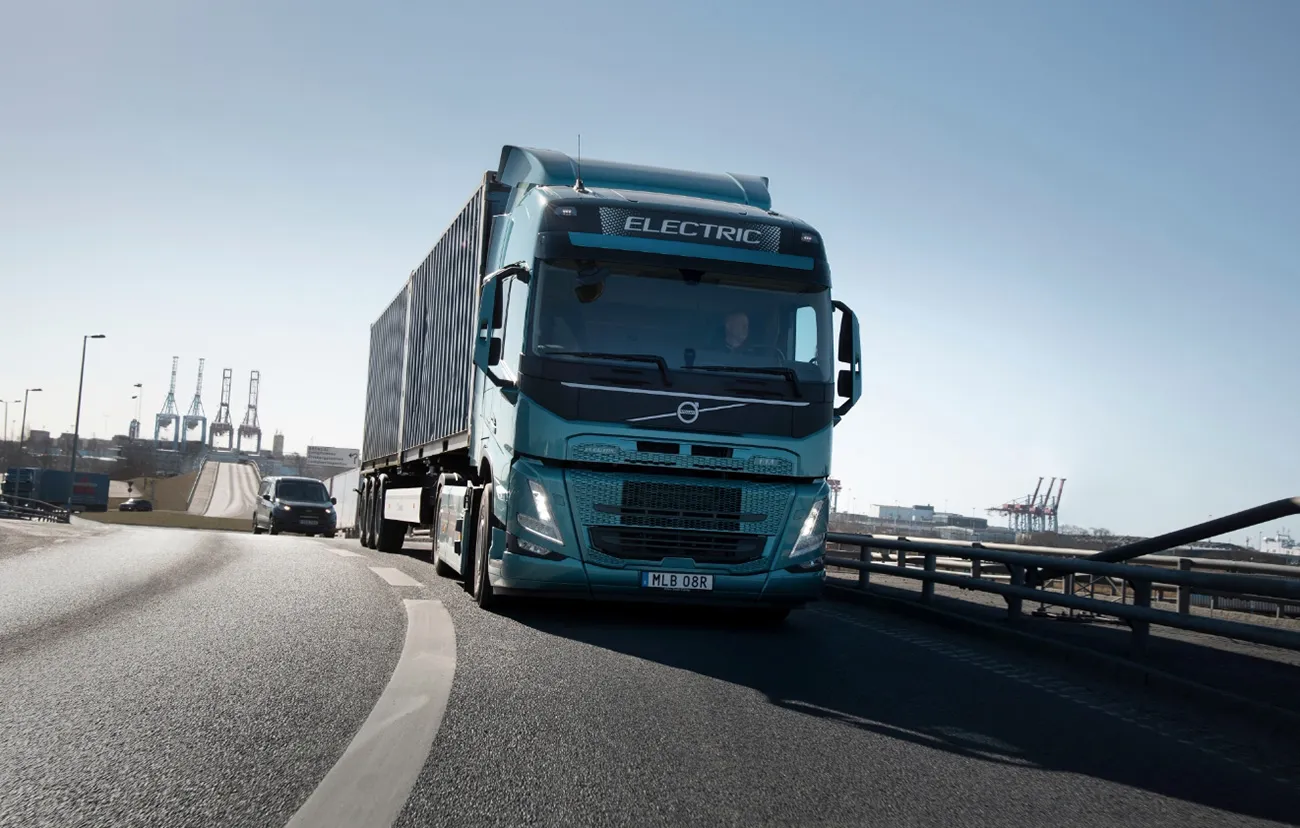
Volvo Trucks has set a global target of selling half of its new trucks with battery-electric or fuel-cell power by 2030. The transition to electric vehicles is being led by Europe and North America, where the targets are even higher. In Europe, for example, the current target is for around 70% of all new trucks sold in 2030 to be electric.
Volvo Trucks’ extensive range comprises the FL, FE, FM, FMX and FH models. All these trucks are available with either a modern, fuel-efficient diesel engine or, alternatively, a natural gas engine or electric powertrain. A new e-axle has been developed for the electric version, allowing more batteries to be fitted in the truck. The electric motors and transmission have been integrated into the rear axle. More batteries mean a longer driving range. The extra space will be particularly useful for installing other components in electric trucks with fuel cells, which are due to be introduced in the second half of this decade.
Service is key to further growth
Volvo Trucks aims to build even stronger partnerships with customers to ensure their mobility. This involves making use of vehicle connectivity and data collected by the vehicle itself, with Dynafleet playing an important role. This entire range of services, including purchasing, advice, financing, support, maintenance, repairs, fleet management, trade-in of used vehicles and more, is becoming increasingly important.
Question about this story? Ask your question
Keep following this
Get an email when a new story is published. No account needed.
- ThemeConstruction transport on road and site
- SubjectGeneral







