









Volvo Trucks unveils new fully electric axle for greater range
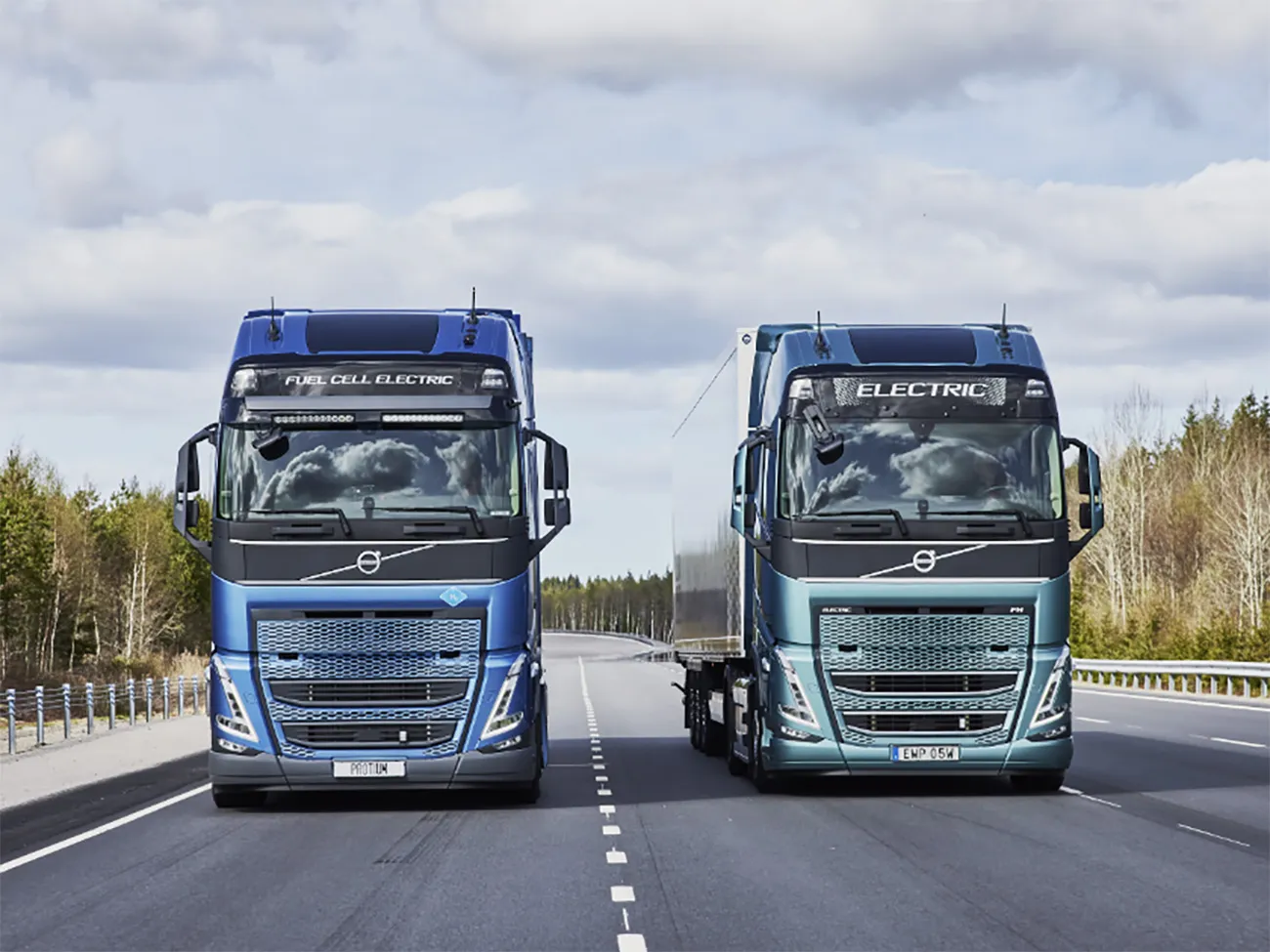
Volvo Trucks unveiled an all-new, fully electric rear axle at the IAA transport show in Hannover, Germany. By freeing up space for more batteries, the new e-axle gives Volvo’s battery-electric trucks even greater range.
Volvo Trucks has the industry’s widest range of battery-electric trucks, with six different models in series production. Depending on the model, they can travel up to 440 km on a single charge.
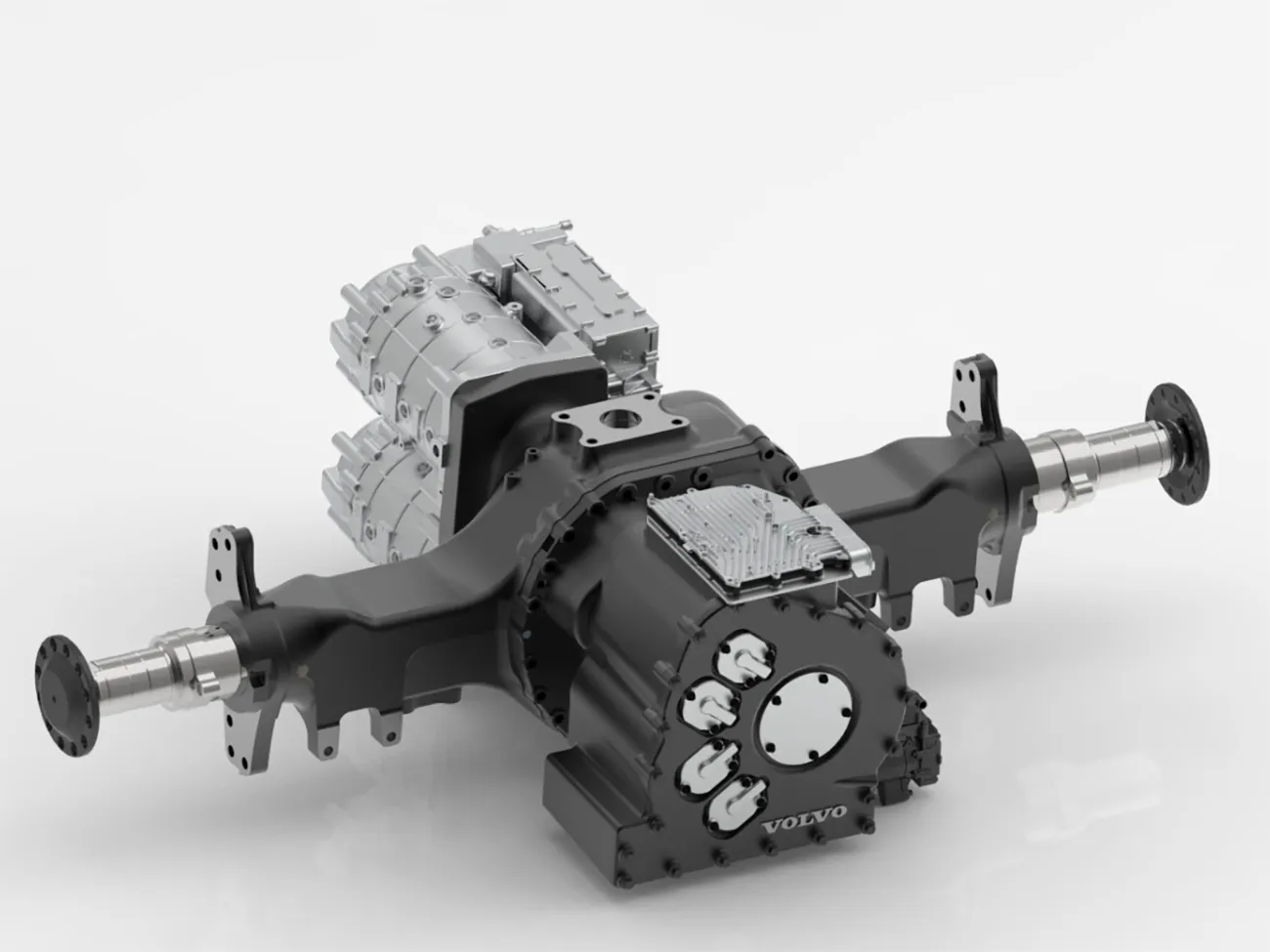
The new e-axle, unveiled at the IAA show in Hannover, Germany, frees up space for more batteries in the truck by integrating the electric motors and transmission into the rear axle. More batteries mean greater range. This opens up opportunities to electrify long-haul transport, too. The extra space will be very useful for installing other components in fuel cell electric trucks, which are due to be introduced in the second half of this decade.
“This is a breakthrough for electric trucks and a clear sign that there will be huge demand for public fast-charging stations for heavy trucks in the near future, not least along motorways,” says Jessica Sandström, SvP Global Product Management at Volvo Trucks.
An addition to the current range
Volvo Trucks will begin series production of trucks with a cab-over-engine design and the new e-axle in a few years. These will complement its current range of battery-electric trucks.
“We will continue to offer our versatile battery-electric trucks, which are already in production. They can currently handle a wide range of transport assignments. In a few years, we will add this new electric rear axle for customers travelling longer routes than they do today,” Jessica Sandström continues.
Volvo Trucks has a three-pronged strategy for emission-free transport: battery-electric, fuel cell electric and combustion engines running on renewable fuels such as biogas, HVO or even green hydrogen.
“A range of technical solutions is needed to tackle climate change, as the availability of energy and fuel infrastructure varies between countries and regions, as well as between different transport assignments,” concludes Jessica Sandström.
Question about this story? Ask your question
Keep following this
Get an email when a new story is published. No account needed.
- ThemeConstruction transport on road and site
- SubjectGeneral







