









Tips for working safely with heavy vehicles on a construction site
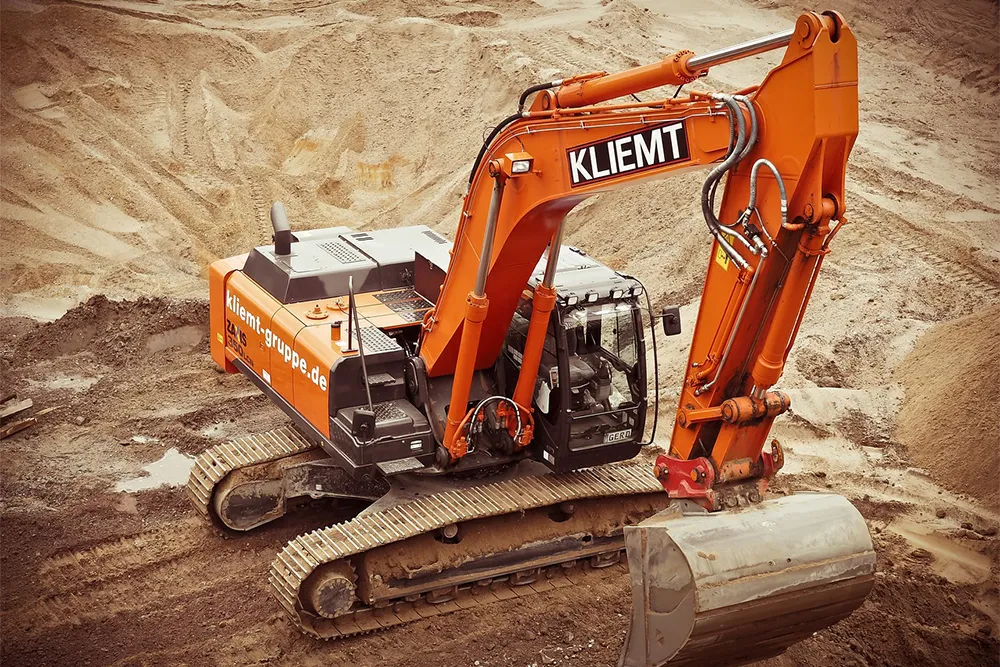
Knowing how to work safely with heavy vehicles on a construction site is essential to protecting everyone involved. Working with heavy vehicles carries certain risks, such as collisions and accidents. It is therefore crucial to take the right precautions and follow sound guidelines. In this introduction, we share some useful tips for working safely with heavy vehicles on a construction site.
Hire plastic ground protection mats
Our first tip for working safely with heavy vehicles on a construction site is to hire plastic ground protection mats. The average timber crane mats you have available are likely to give way if heavy machinery drives over them. Choosing plastic ground protection mats is therefore a smart way to prevent this. Hiring is better than buying because you are unlikely to encounter situations like this often, and everything is insured.
Wear high-visibility clothing
Always wear high-visibility clothing when working around heavy vehicles on a construction site. Everyone needs to be able to see you from a distance, especially in low light or when dust or rain reduces visibility. So put on that brightly coloured jacket, make sure your hard hat stands out and, if necessary, add some extra reflective strips to your clothing. It may seem like a simple step, but it can make a real difference to your safety and that of your colleagues at work.
Follow a safety protocol
Establishing a safety protocol is crucial: it is your tool for making sure everyone is on the same page when it comes to safety. Set out clear instructions at the construction site entrance and exit, hold regular safety training sessions and updates, and encourage everyone to look out for one another. It may take some getting used to, but a strong safety culture helps ensure that we all get home safely at the end of the day.
Train your employees
Education and training are key to success when it comes to workplace safety. Make sure you provide regular refresher training not only for new employees but also for your more experienced staff. This could cover how to work safely with new equipment, as well as changes to safety regulations.
Secure loads properly
Make sure all loads you transport or move are properly secured. It may seem obvious, but a load that shifts in transit can pose serious risks. Use the right restraints and always double-check that everything is firmly secured before you set off.
Question about this story? Ask your question
Keep following this
Get an email when a new story is published. No account needed.
- SubjectGeneral







