









Theft, extortion and sabotage delay projects and put budgets under pressure
Text BauWatch / Kris Vandekerckhove Beeld BauWatch

Construction crime has become a structural problem in Belgium and across Europe, with far-reaching consequences. That is the finding of BauWatch’s ‘2025 Crime Report for the Construction Sector’. Criminals are operating ever more professionally, using high-tech equipment and increasingly targeting critical infrastructure. The consequences are significant: delays, budget overruns, reputational damage and growing pressure on site teams.
In Belgium, 63% of construction professionals have seen a clear increase in criminal incidents on construction sites. Theft, vandalism and unauthorised access cause an average delay of one to four weeks per project. This means not only that completion dates are pushed back, but also that crews can sometimes be left technically unemployed, leading to additional costs and organisational pressure. These are no longer petty thefts, but well-planned operations. Some 58% of incidents are thought to be linked to organised networks. Almost four in ten Belgian contractors have even been approached to pay for ‘protection’, and 17% agreed.
Winter months are a high-risk period
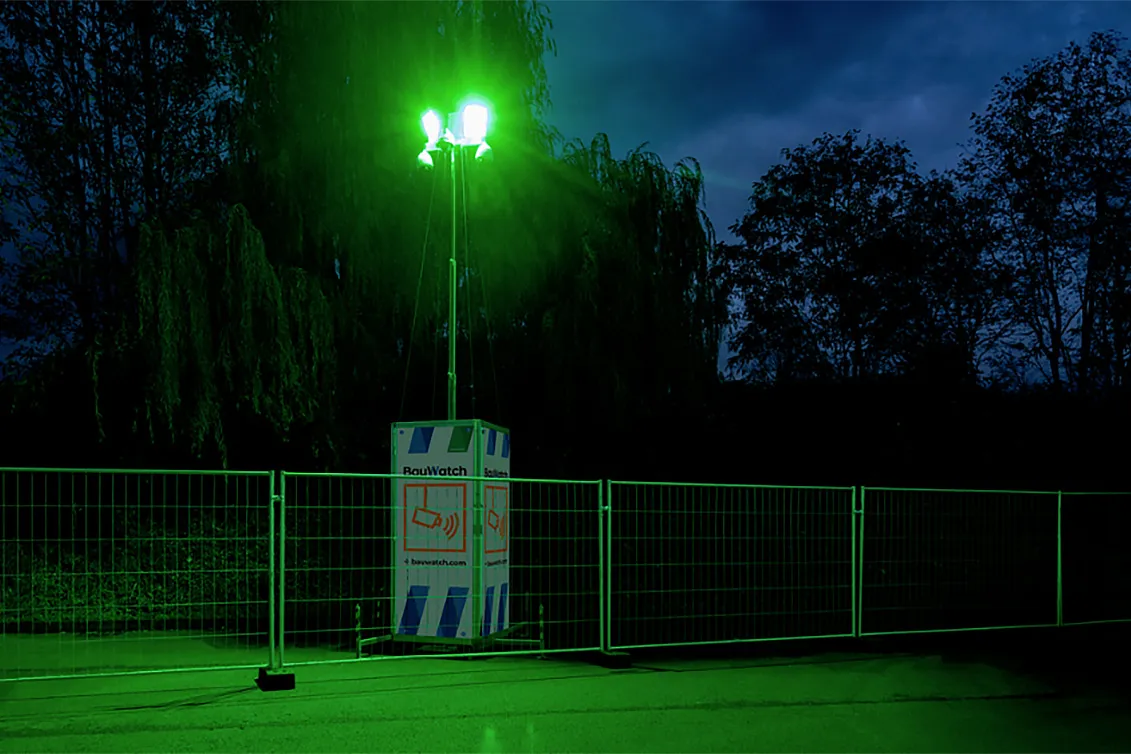
Seven in ten respondents reported a clear peak in crime during the winter months. Shorter days, less supervision and temporary closures make construction sites particularly vulnerable. According to the report, this seasonal vulnerability calls for targeted action: extra lighting, mobile CCTV and regular checks during holiday periods are no longer a luxury, but a necessity.
Smart security: more than technology
According to BauWatch, which compiled the report, construction-site security today is above all a matter of timing and integration. Those who only act after an incident have already left it too late. Prevention starts with the design of the site, not when equipment is delivered.
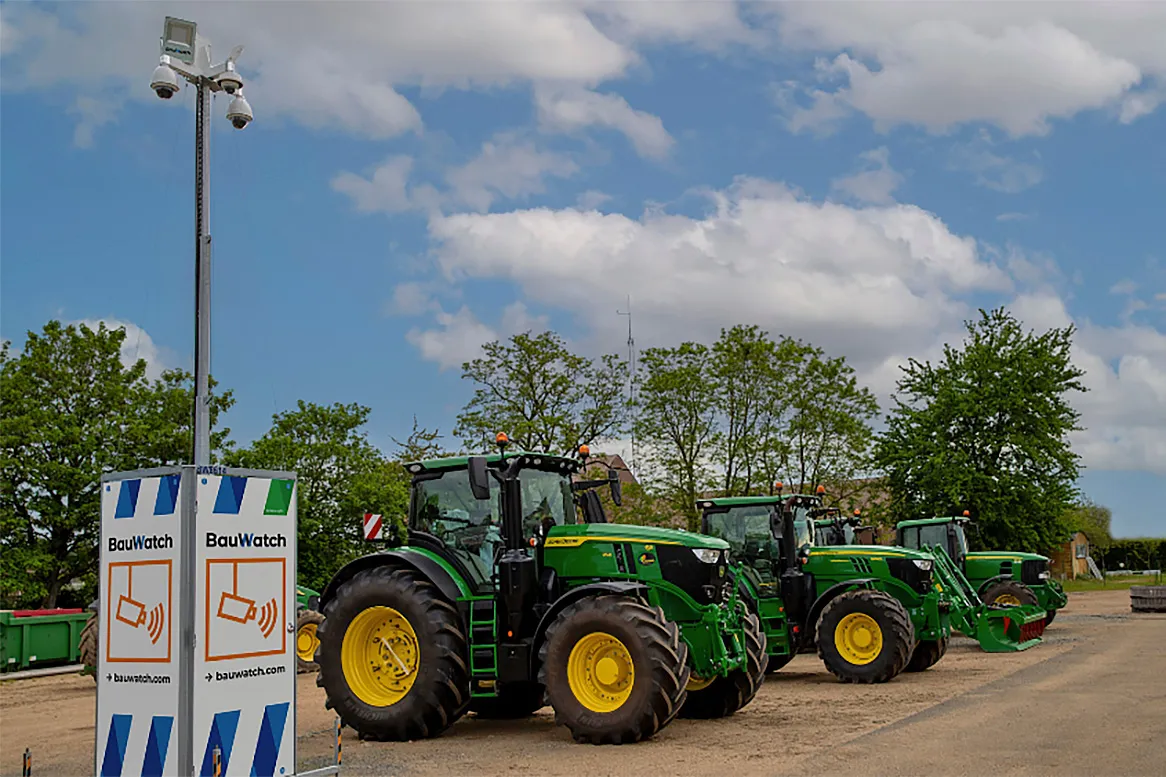
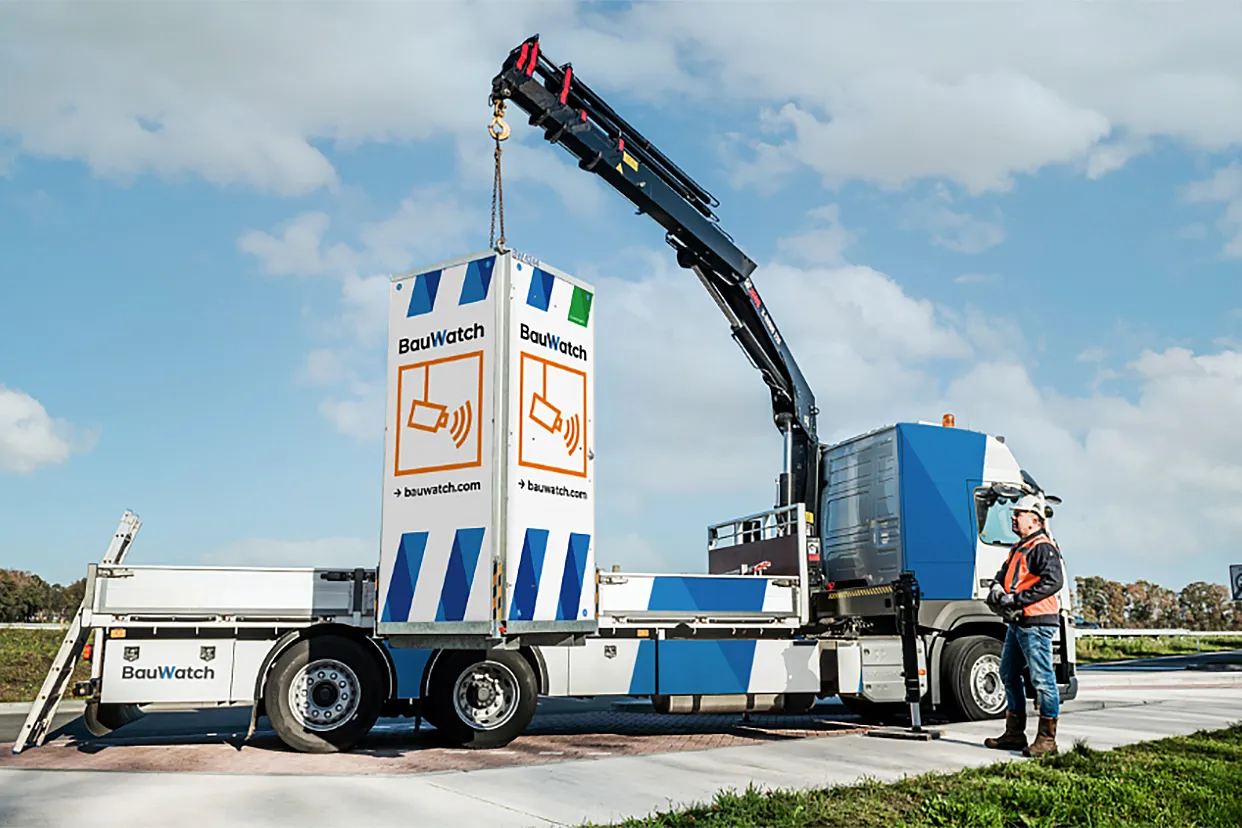
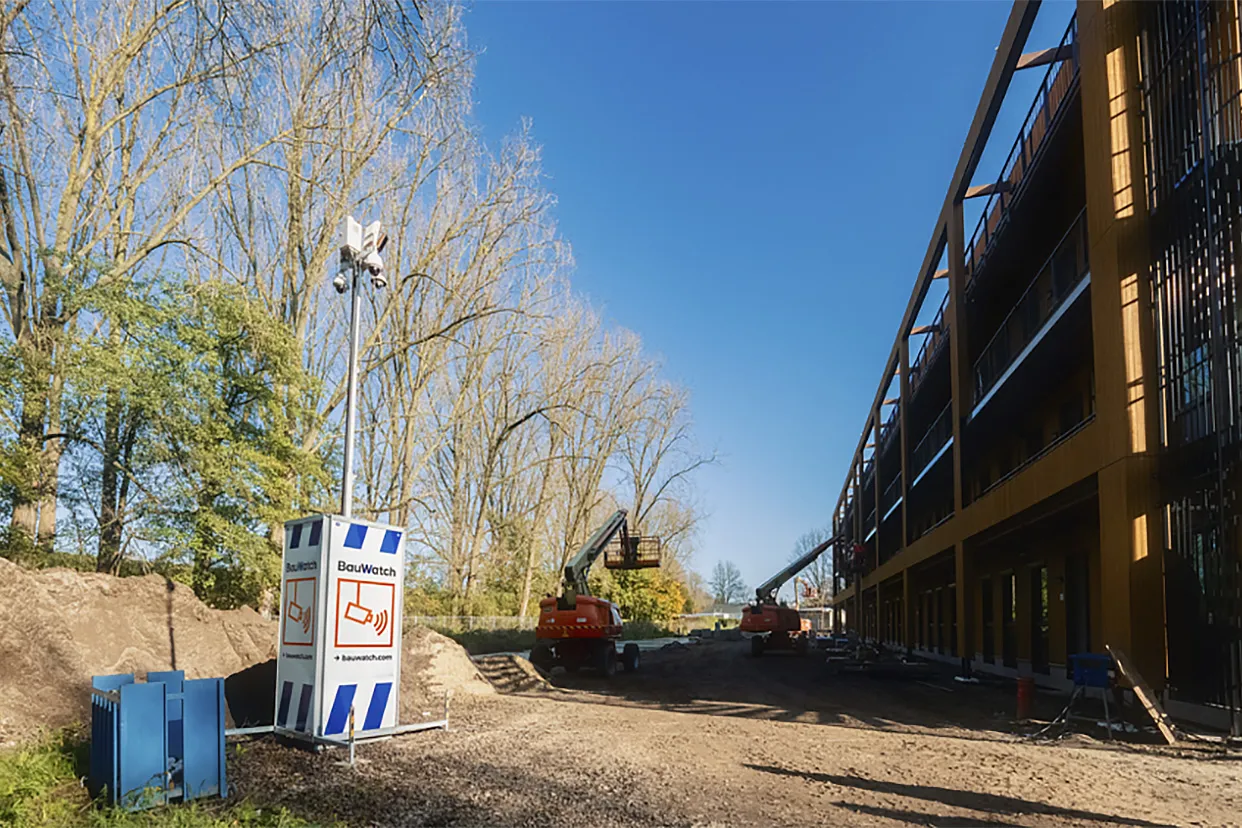
BauWatch advocates an approach that combines visible deterrents, such as camera masts, fencing and clear signage, with smart technology: AI-powered image analysis, real-time monitoring and modular security solutions. These systems run on solar power, can be deployed on the move and connect directly to monitoring centres.
BauWatch also emphasises the human factor. Security is only truly effective when the construction team is involved too. Clear agreements, regular briefings and simple habits, such as properly locking up machinery and storage containers, make a real difference. “Security is a shared responsibility,” the report states. “And it starts with awareness.”

Security as a driver of continuity
Investing in security means investing in site efficiency, says BauWatch. Fewer incidents mean fewer delays, fewer damage claims and less stress for site managers and workers. And in times of staff shortages, that is crucial: retaining people, protecting tools and keeping to schedules.
That is why BauWatch works with flexible models in Belgium and across Europe, tailored to the project duration, risk level and location. Temporary security, from a weekend to a year, can be scaled up, scaled down or adapted quickly to suit the stage of the construction project.
Towards a sector-wide response
The figures in the report speak for themselves: construction crime is no longer an isolated problem. It undermines deadlines, budgets and confidence in the sector. But with the right insights, technology and engagement, it can be managed.
BauWatch is calling for construction companies, security services and policymakers to work together. Only those who recognise the threat can turn it into action. And only those who act in time can continue building safely. As Johan Vrydag, country manager at BauWatch België, puts it: “Security is not a cost. It is a prerequisite for safeguarding progress.”
Question about this story? Ask your question
Keep following this
Get an email when a new story is published. No account needed.
- SubjectGeneral







