









Strong interest in inspiration conference ‘A construction sector without diesel: dream or reality?’
Text Els GoethalsImage Embuild
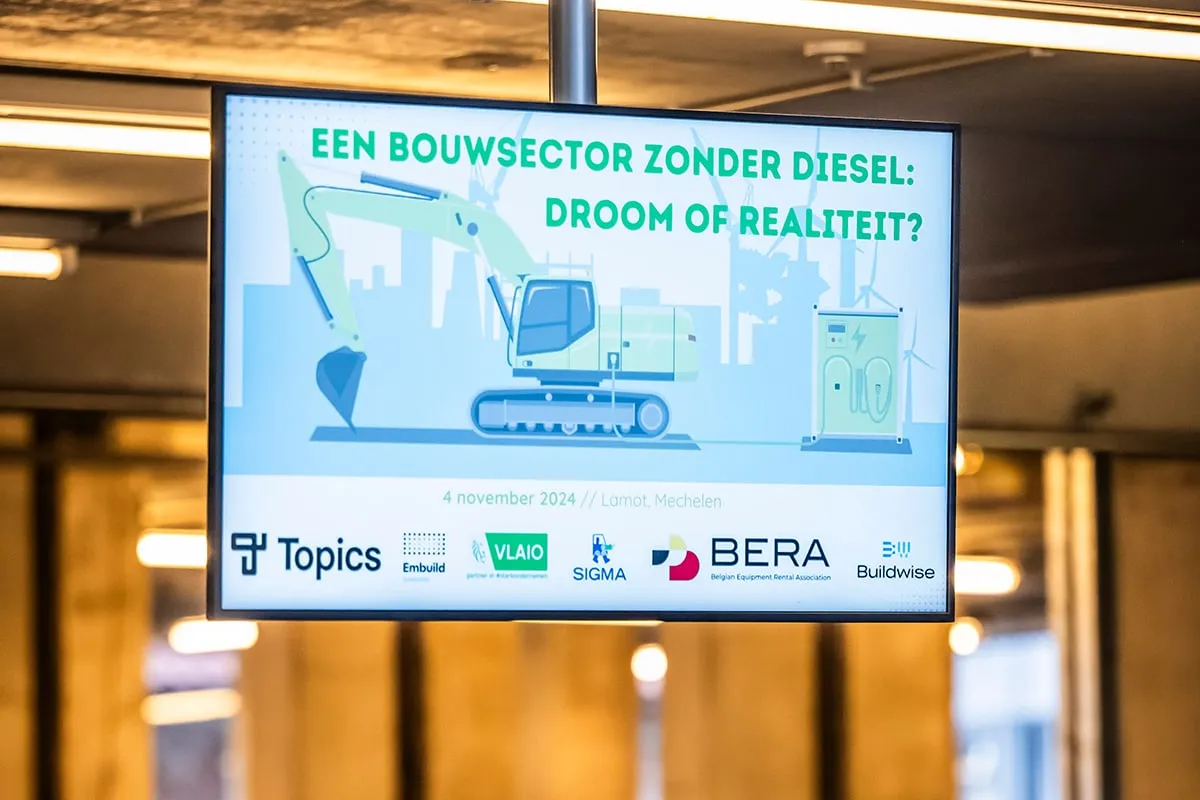
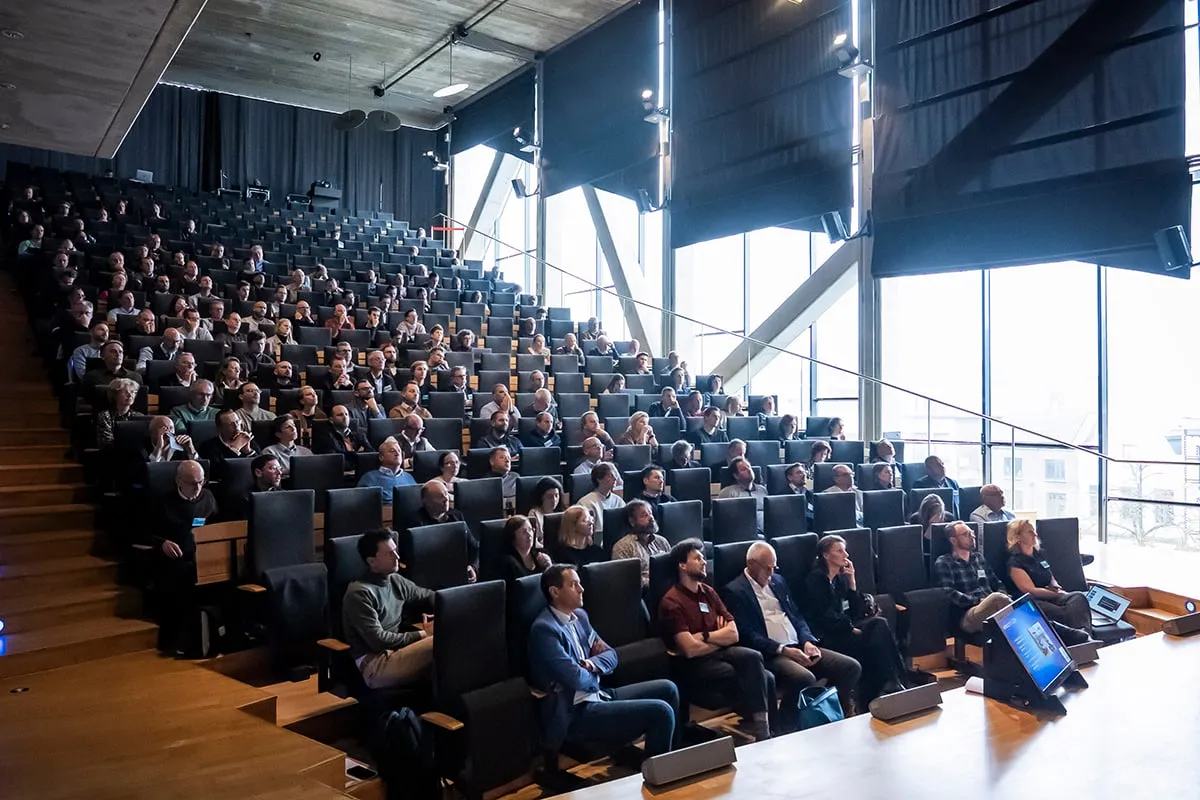
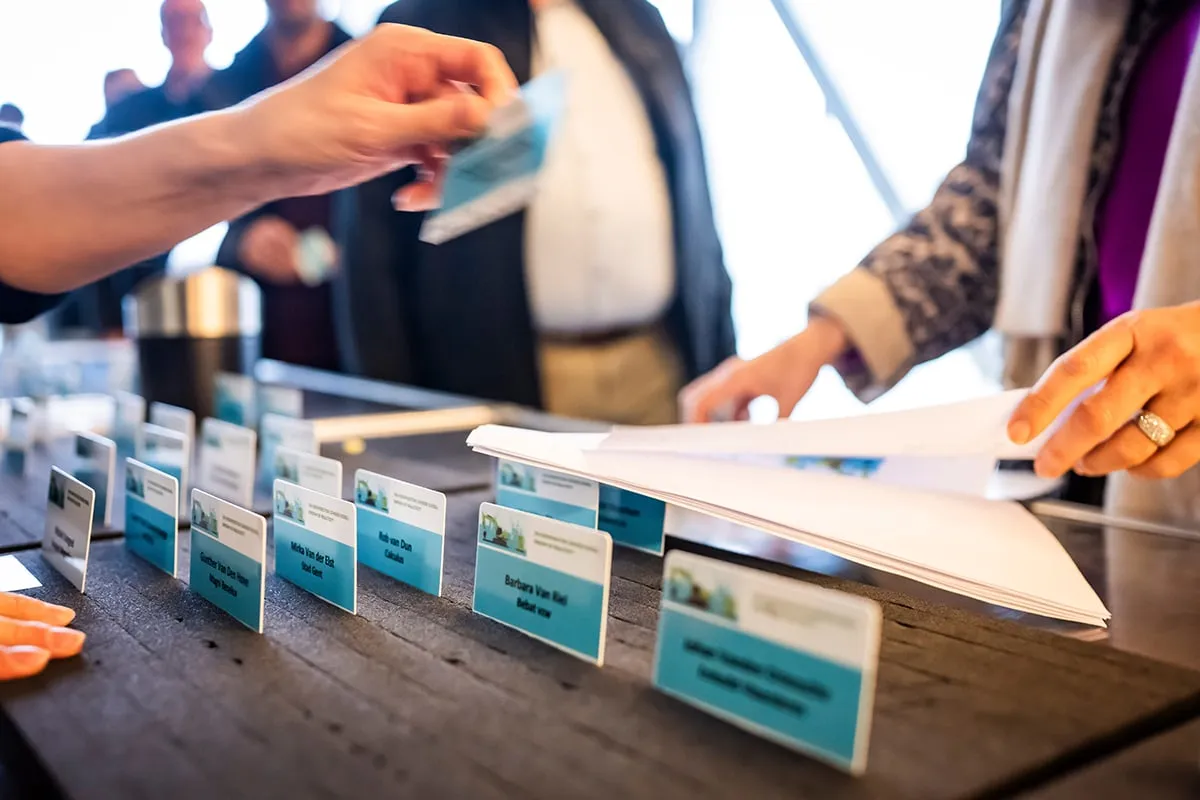
On 4 November 2024, the inspiration conference ‘A construction sector without diesel: dream or reality?’ took place at Lamot Mechelen. Organisers Sigma, Bera and Embuild Vlaanderen welcomed more than 170 visitors. It was an engaging and informative day for every construction professional committed to reducing their environmental footprint.
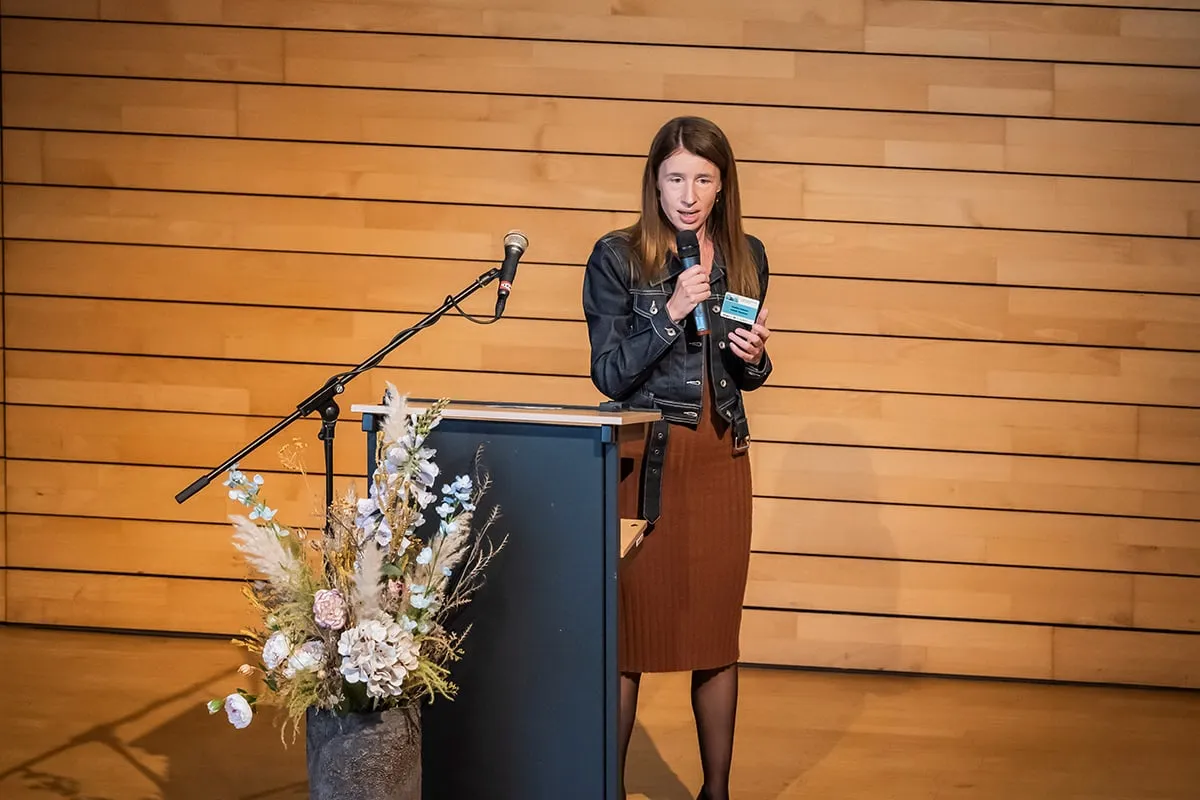
Everyone knows that ever greater climate challenges lie ahead. Meanwhile, the construction sector also emits millions of tonnes of CO2 every year. Following a welcome address by Caroline Deiteren, the new director-general of Embuild Vlaanderen, and an introduction by Alderman Alexander Vandersmissen of the City of Mechelen, the topic was explored from several different angles.
Logistics hubs
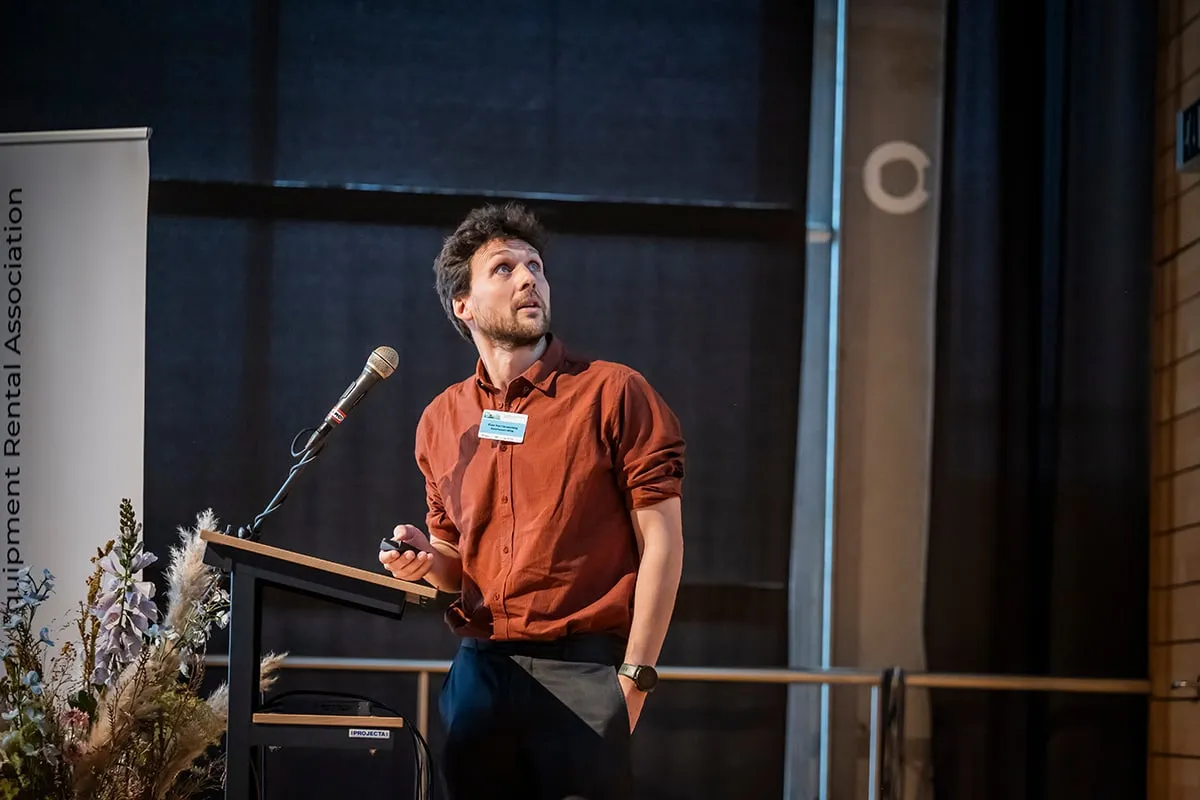
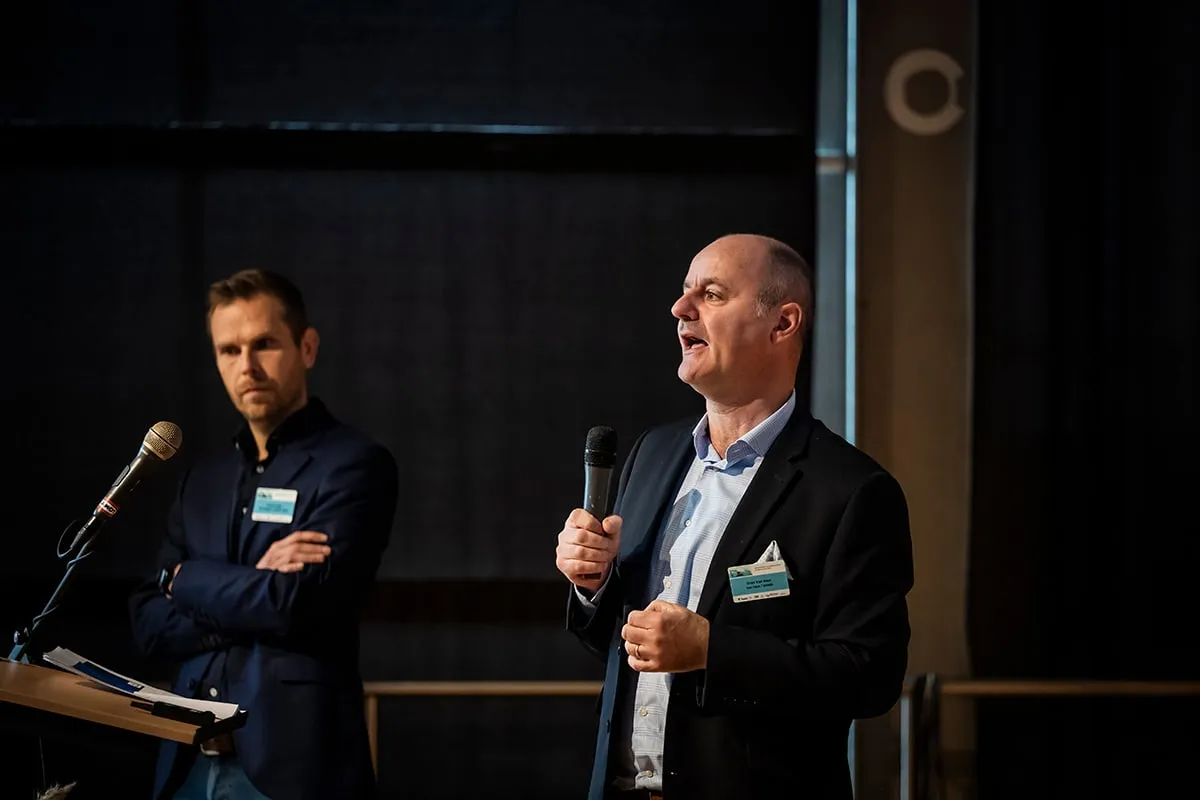
Fewer transport movements in cities, logistics hubs, quiet deliveries … To meet the European targets for reducing CO2 emissions, Flanders needs to rethink a range of mobility issues. That was the focus of the ‘roadmap for zero-emission urban distribution in Flanders’, which Klaas Van Cauwenberg of the Department of MOW presented first.
“From 2025, the Flemish Government will take major steps to keep polluting lorries and
vans out of cities through ‘zero-emission zones for urban logistics’ (ZES). This followed months of discussions between the Department of Mobility & Public Works and various sector federations, including Febetra, Comeos Vlaanderen and VVSG. The talks resulted in a framework agreement signed by the various partners. Cities and municipalities are not required to introduce a zero-emission zone, but if they do, they must comply with the agreement, ensuring a uniform approach across Flanders. This is particularly significant for the construction sector, as the most polluting (construction) vehicles will gradually be phased out from 2027 onwards.”
Rapid progress in zero-emission technology
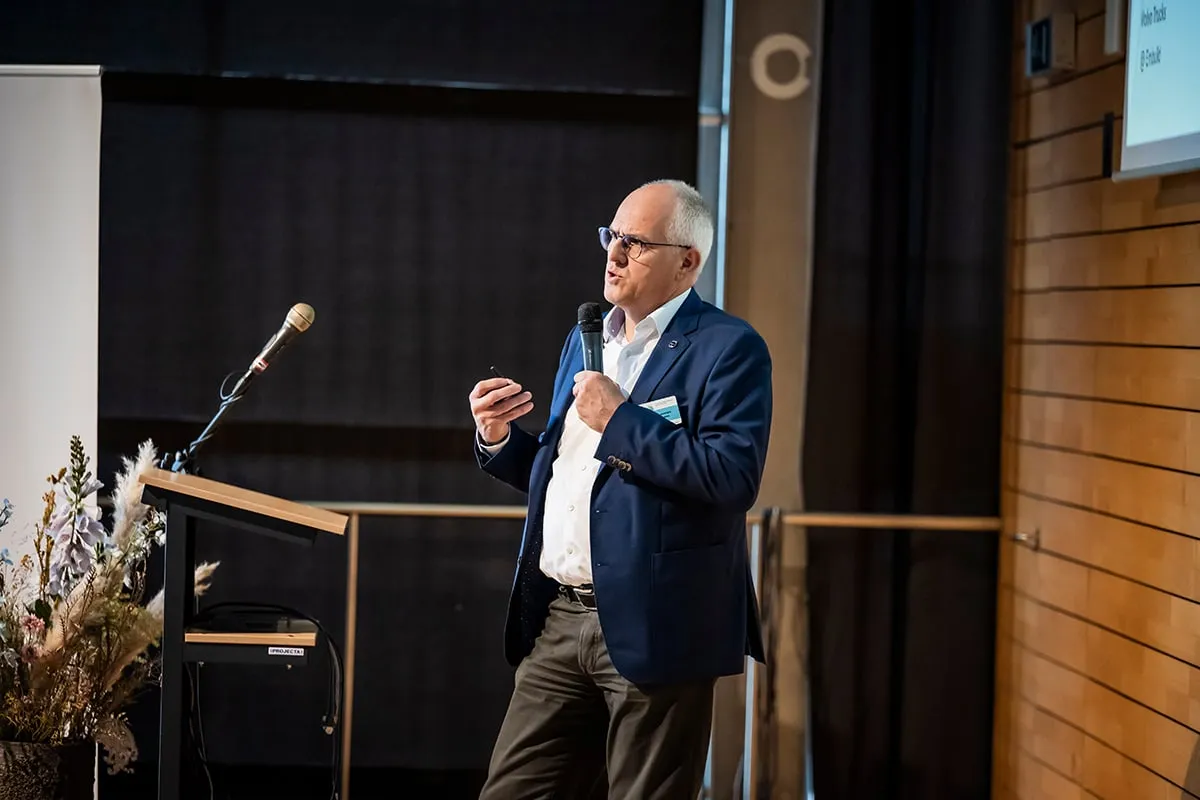
Manufacturers are rapidly expanding their ranges of electrically powered equipment. Andy Cnudde and Dries Van Hout of Sigma therefore devoted their keynote presentations to this topic. “The shift towards zero emissions has been evident for some time in access platforms, scissor lifts, material handlers and mobile crushers or screens. Compact equipment has followed closely, from mini excavators and tracked excavators to tandem rollers and mini dumpers. The number of hybrid and electric models in this equipment category has also grown significantly. The key question, of course, is whether this is translating into actual orders. While we hear plenty of positive feedback from early adopters, the higher price tag is still often a stumbling block for end customers.”
Electric driving
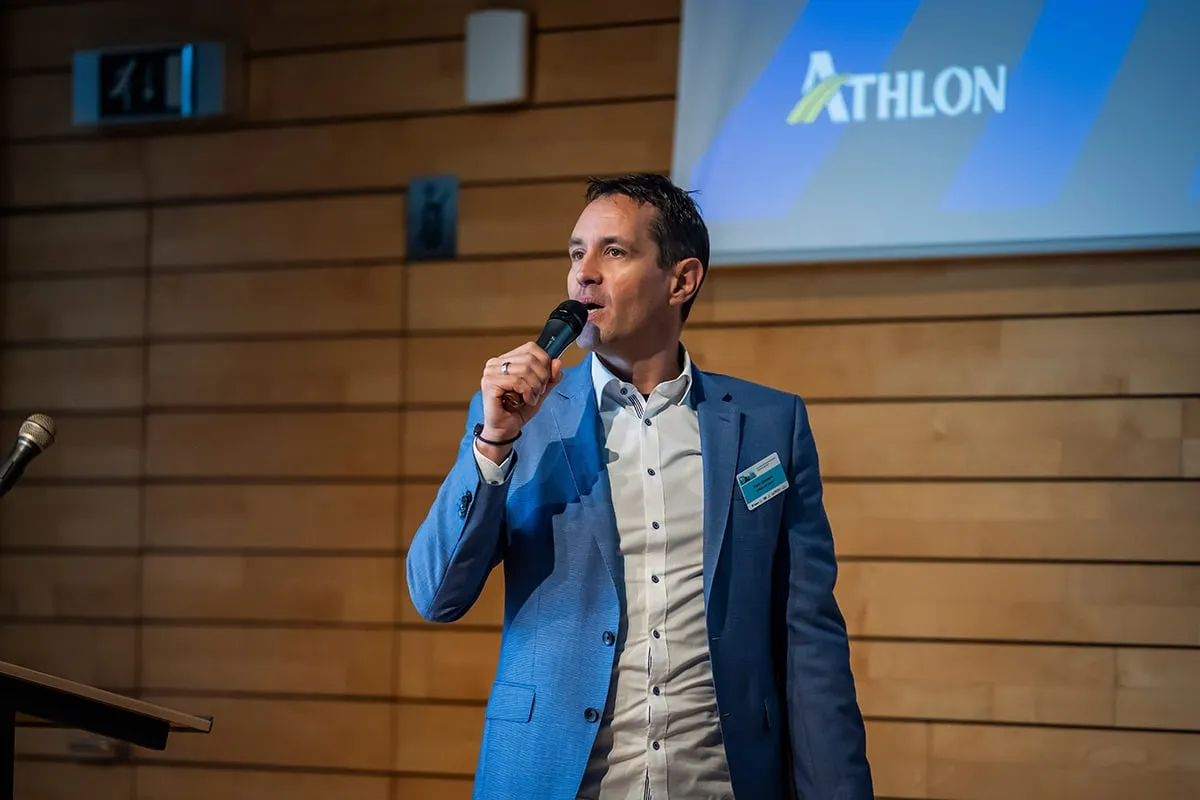
Light commercial vehicles are indispensable in the construction sector. So why not aim for a zero-emission fleet? Steve Somers of Athlon weighed up the pros and cons. “The commercial vehicle market is changing rapidly. Almost every brand is moving from e-LCVs 1.0 to the 2.0 generation. The aim? To make electric driving much more capable, with faster, better charging technology, a longer range, greater towing capacity … The best innovation is one that removes every obstacle, although payload capacity and the higher purchase price are much harder to address. On the other hand, there is the quiet motor and comfortable driving experience. And let’s not forget the environmental benefits. It really is five to twelve, isn’t it?! ′
There was also groundbreaking news from Volvo Trucks. The truck manufacturer will soon build a new e-truck with a range of 600 kilometres at its Ghent facility. “The new flagship, the FH Aero Electric, will be a valuable addition to the current portfolio of eight electric models, ranging from medium-duty to heavy-duty electric trucks,” says Philippe Jacquemyns, head of productmanagement at Volvo Trucks Belux. “Other ‘clean’ technologies include new developments in fuel cell propulsion, as well as internal combustion engines suitable for biogas or HVO (hydrotreated vegetable oil). Volvo Trucks aims to make major strides in reducing CO2 emissions through these three complementary pathways, including for deliveries to construction sites. Late last year, for example, Volvo Trucks delivered the first 100% electric concrete mixer to Holcim België.”
Moving up a rung on the CO2 Performance Ladder
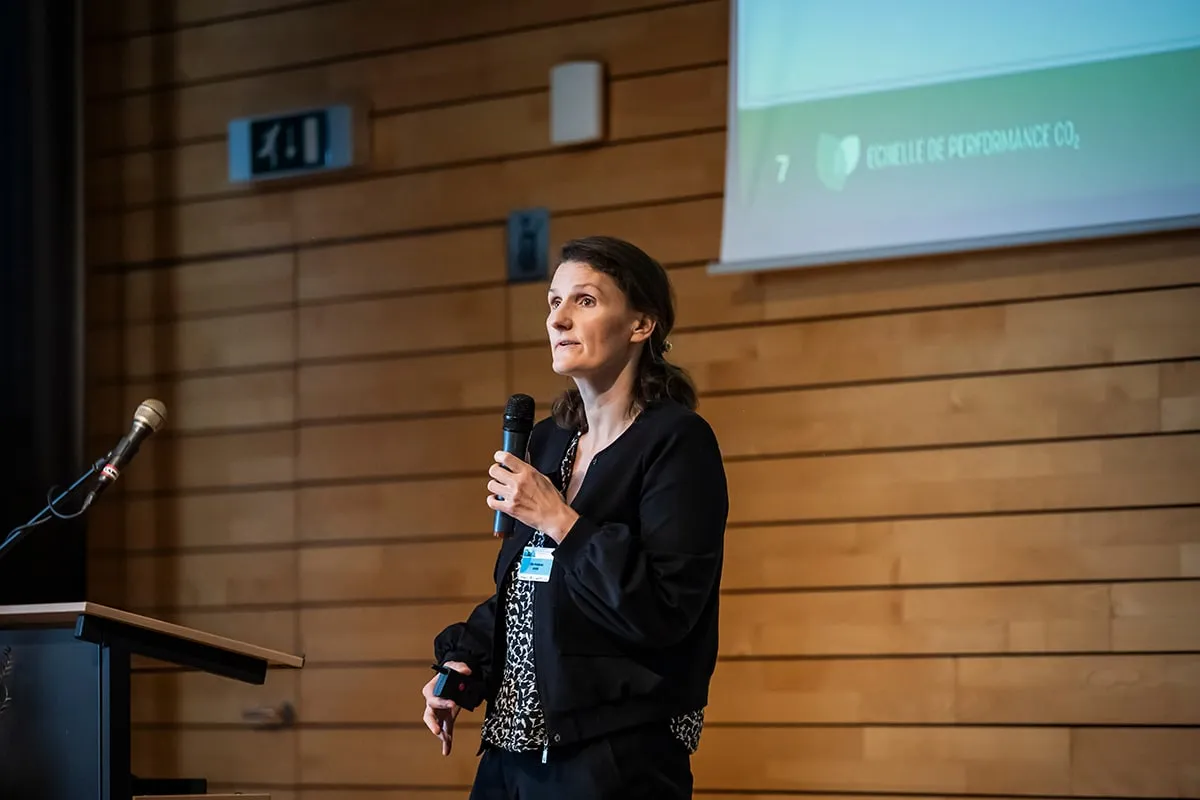
Sustainability efforts pay off, particularly in tendering and in preparation for the forthcoming CSRD reporting requirements. But how can you demonstrate that you are genuinely working to reduce your environmental footprint? “You can do so by obtaining the internationally recognised CO2 Performance Ladder certificate,” explained Silke Hoebeeck of BENOR. “This certification system has 5 levels. Levels 1 to 3 mean that your organisation is working to reduce its own CO2 emissions. At levels 4 and 5, emissions across the entire value chain are also taken into account. In Belgium, Benor can provide practical advice and expert guidance.”
Major players as the ultimate ‘early adopters’
The inspiration conference was ready for its ‘moment suprême’: three engaging speakers, each sharing their practical experience. Are larger construction companies adopting innovative ‘green’ technologies faster? We went to find out …
AERTSSEN Group
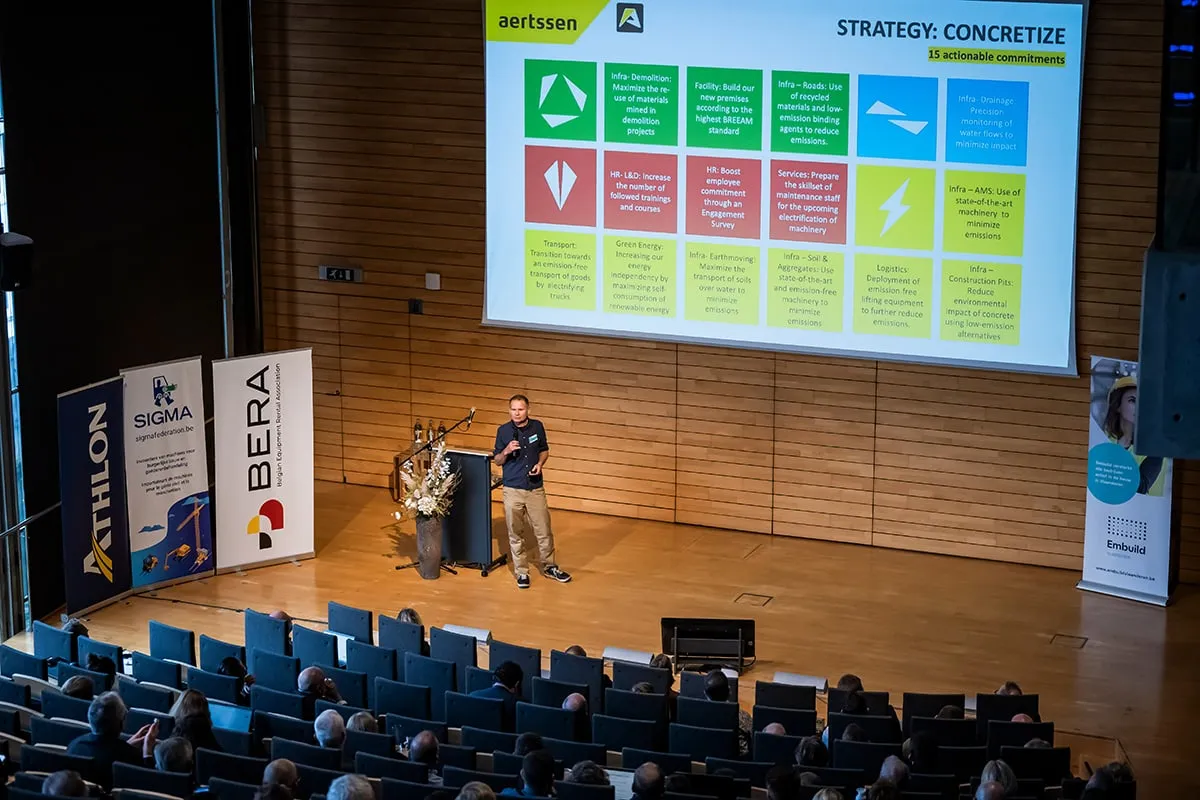
“Our sustainability efforts support the family business’s ambition to become climate neutral by 2050,” begins Alex De Broe, sustainability manager at Aertssen. “In line with our sustainability strategy, we are working on four strategic pillars and 15 specific objectives. We are not only making our own operations more sustainable, but also making an impact across the entire ‘value chain’. We recently achieved level 5 of the CO2 Performance Ladder, a milestone of which we are particularly proud!”
“Reducing greenhouse gas emissions and using cleaner energy sources are our key priorities,” De Broe continues. “On the one hand, we are greening our machinery fleet, from electric mini excavators to heavy crawler cranes, as well as electric cars and even e-trucks, for which we are also providing our own charging points. On the other hand, the company is investing heavily in renewable energy sources, such as the installation of 5,500 solar panels on the roof of our offices. To ensure our project sites also have the electricity they need, we looked for a way to store surplus solar power. To this end, Aertssen has entered into a unique partnership with energy specialist Zenobē to deploy mobile battery units.”
DENYS
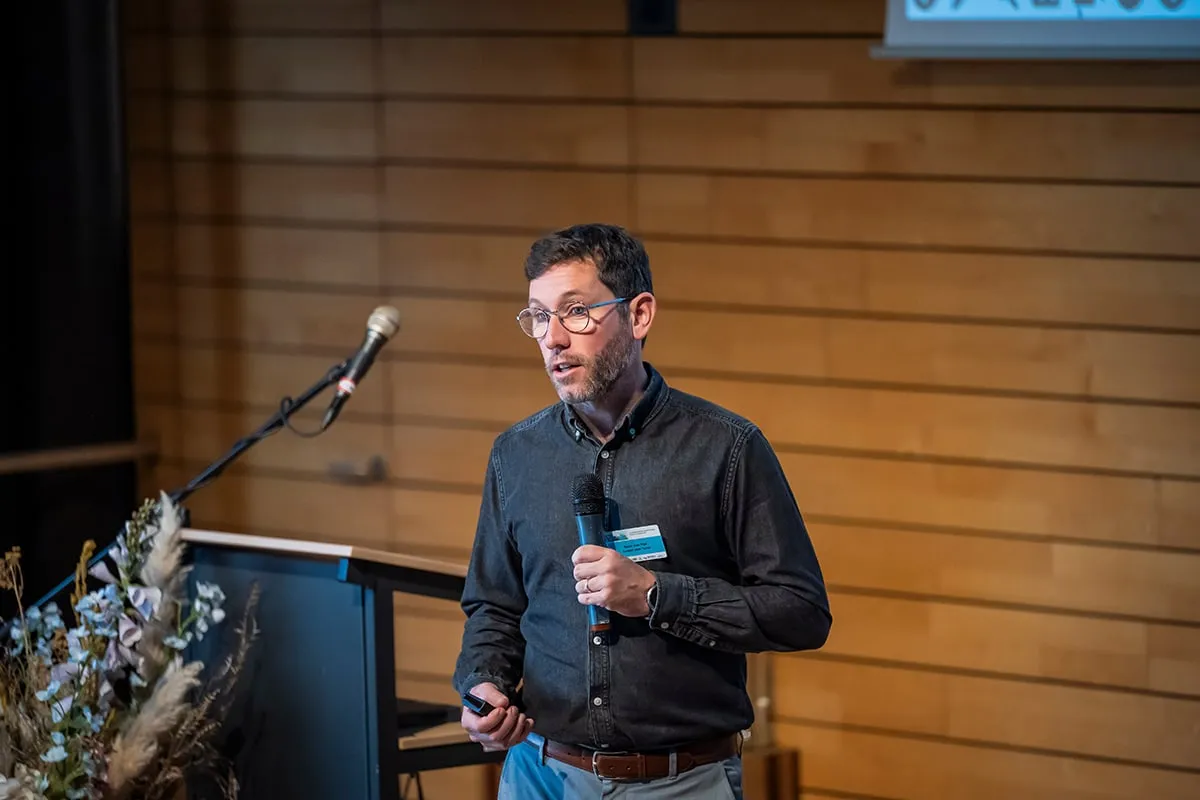
“Denys Engineers & Contractors is also proud to hold a CO2 Performance Ladder certificate and is currently working towards level 5,” says Lander Fonck. “I don’t need to explain that a large fleet of machinery consumes a lot of energy. Think cranes, generators and pumps. The company vehicle fleet is another source of CO2 emissions, so we are focusing on both fronts. A large proportion of our fleet is already electric, and that figure will only rise in the coming years. Our aim is to achieve a 50 % reduction in CO2 emissions by 2030. For the rest of the fleet, our ambition is a further reduction of 21 %. We are also actively testing how we can use green electricity off grid.”
CORDEEL GROUP
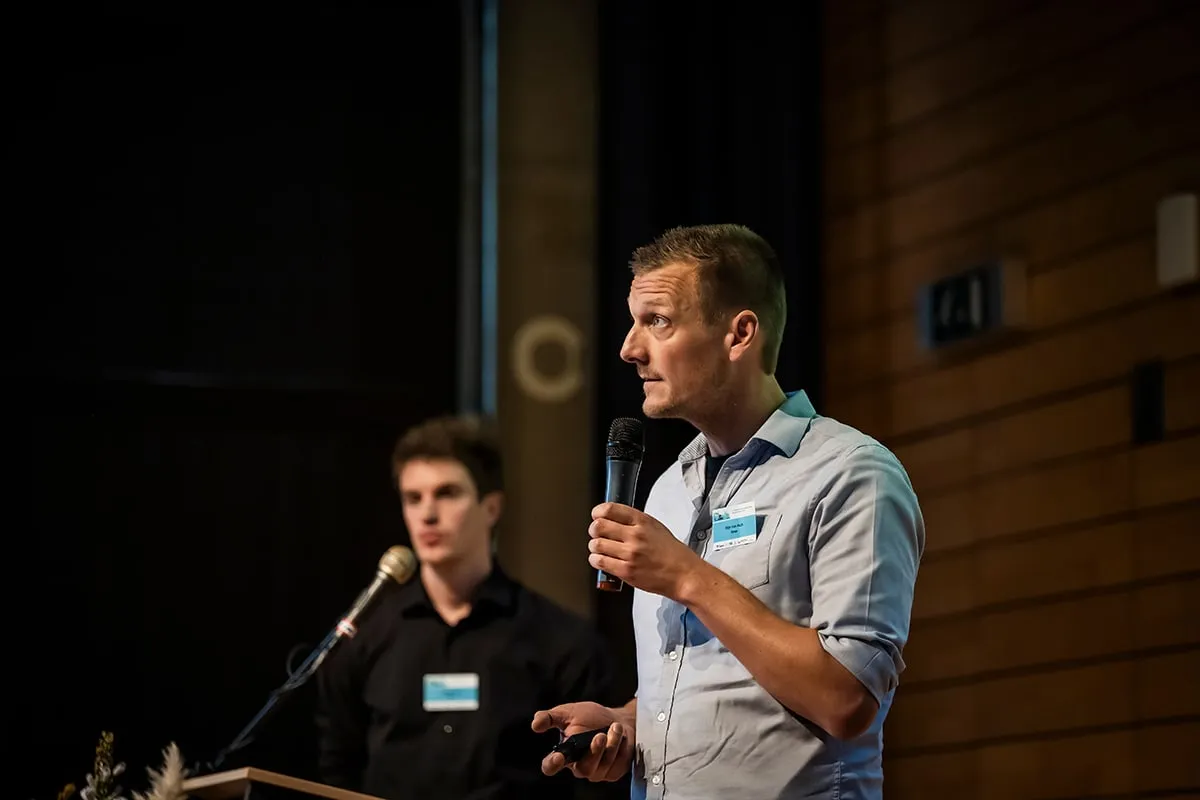
“Cordeel Group, the Belgian family-owned construction company with several subsidiaries, is also pioneering innovative sustainable concepts. These range from bio-based materials and circular construction techniques to smart energy use, battery solutions and pilot projects involving green hydrogen electrolysers and HVO100 biofuel for company vehicles,” says Kevin van Hoe. “We bring together expertise from the various fields in which we operate to create smart, energy-efficient and zero-emission solutions. For all its projects, Cordeel Group follows the three-step ‘Trias Energetica’ strategy: minimising energy consumption, maximising the use of renewable energy sources and, where fossil fuels cannot be avoided, using them as efficiently as possible.”
Conclusion
As a sector, we are making major strides, but a construction site without diesel remains a dream for now. Vincent Locquet of Locquet Power & Light also provided further details on site batteries and their potential practical applications. Matthijs Lamote of Buildwise sees opportunities in logistics hubs for construction. Finally, Bill Olivier of BERA explored the role the rental sector can play in the energy transition. There are still plenty of challenges. The construction sector is therefore calling on grid operator Fluvius, as well as the regional and federal governments, to provide additional support. The inspiring day concluded with Raf Bellers of Fluvius and Peter Lesage of VLAIO outlining the plans and opportunities currently available.
Question about this story? Ask your question
Companies in this story
Keep following this
Get an email when a new story is published. No account needed.
- SubjectGeneral
- CompanyVolvo Trucks Belux







