









Manufacturer goes all-in on electrifying its compact product range
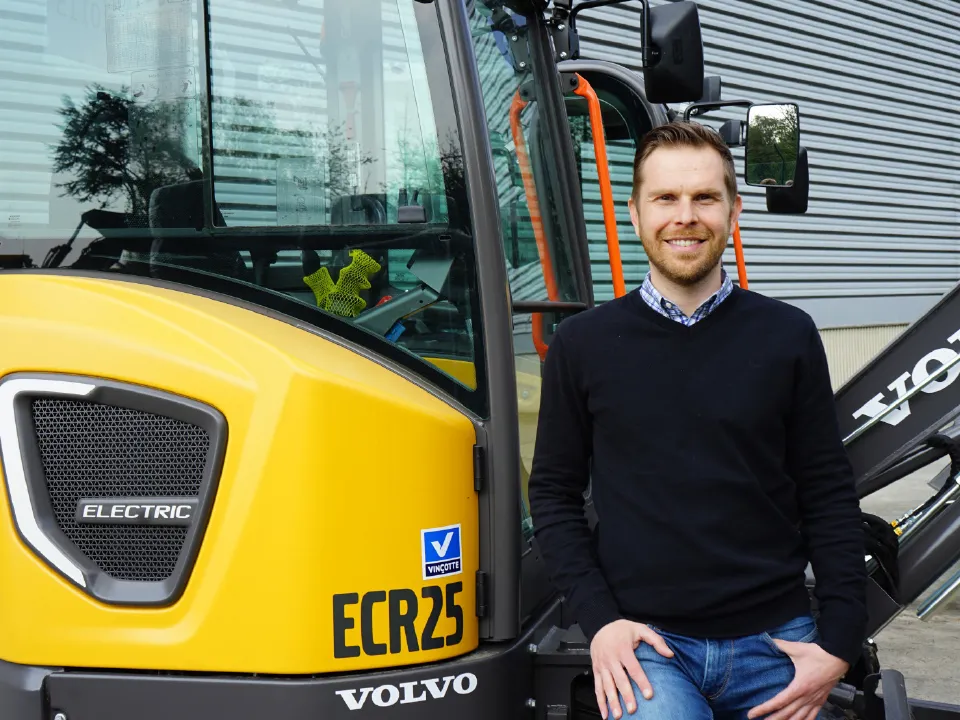
The market for compact equipment is booming in Europe, and Volvo CE is keen to join the battle for sales.
To increase its market share, the Swedish manufacturer is set to expand its utility range significantly, with a strong focus on electric machines. The first two battery-powered models are already available in Belgium and Luxembourg.
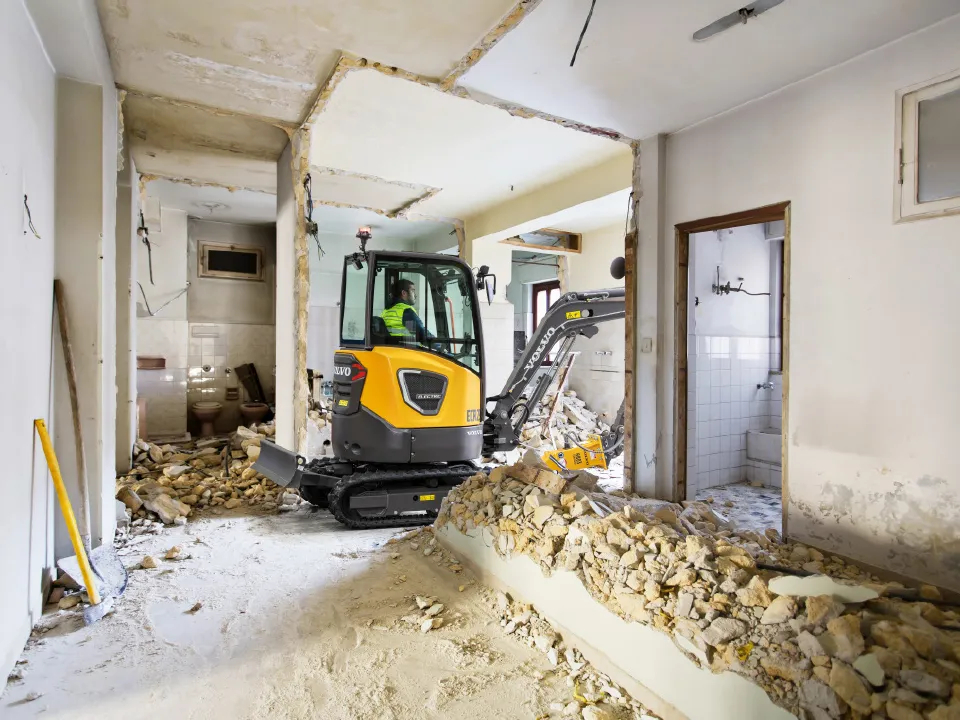
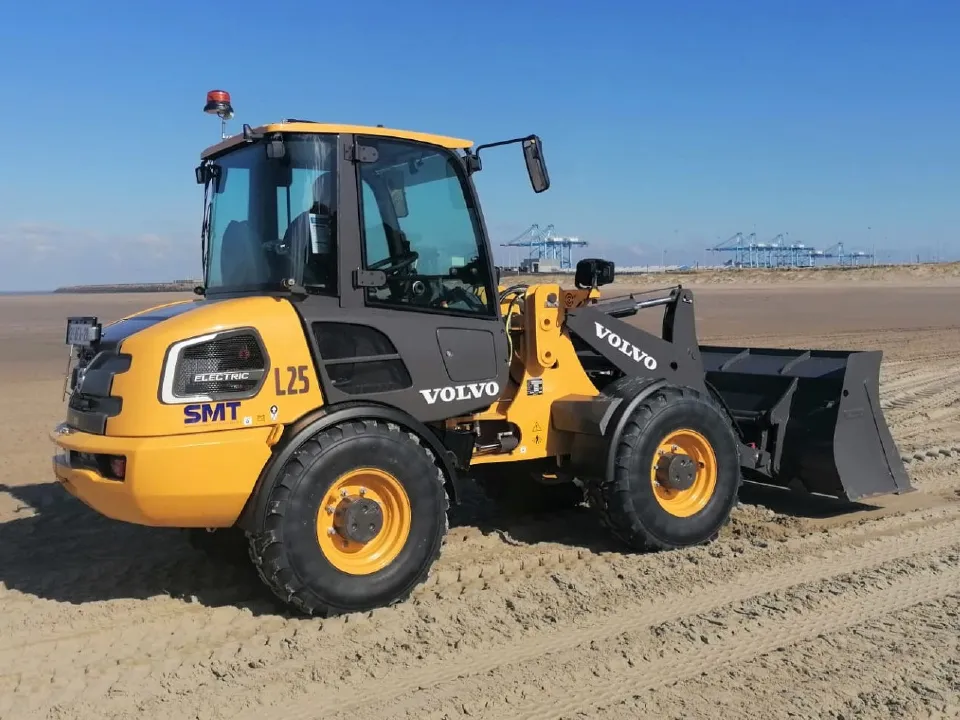
With the launch of the ECR25 Electric and L25 Electric, the manufacturer is living up to its reputation as an innovator. Although Volvo is not the first player in the equipment market to launch a fully battery-powered machine, the brand is unique in offering both models in this weight class. There is also no doubt about the brand’s lofty ambitions. The 2.7-tonne mini excavator and 5-tonne compact loader are a sign of things to come.
Volvo Construction Equipment is planning a major push over the coming years to electrify its compact model range, with excavators and wheel loaders in a variety of weight classes. Volvo’s transition is set to gather pace in 2022 and 2023, with the brand aiming to take the lead in electrifying its equipment range. In doing so, Volvo CE is showing that its ‘Building Tomorrow’ slogan is more than a promise.
Stepping up
“It is clear that everyone needs to step up their efforts for the environment,” says Andy Cnudde, Dealer Manager at SMT Belux. “Volvo is taking a leading role in the industry. Diesel is not going to disappear completely in the short term, but fully electric machines will certainly have an important place in the compact segment. This is, of course, because they produce no exhaust emissions and are much quieter without a diesel engine.”
Several machines are already in operation in the SMT Rental fleet, and dealers VKing (formerly Aalst-Verhuur) and Paesen have also invested in an electric rental machine. The ECR25 and L25 Electric are therefore distributed through a network of ten local dealerships across Belgium. Andy Cnudde says: “There is currently a need for battery-powered machines, particularly in the rental sector, to help reduce harmful emissions. For SMT, it is therefore important to stay close to the market through our Volvo compact dealers, in terms of both delivery and service.”
No compromise
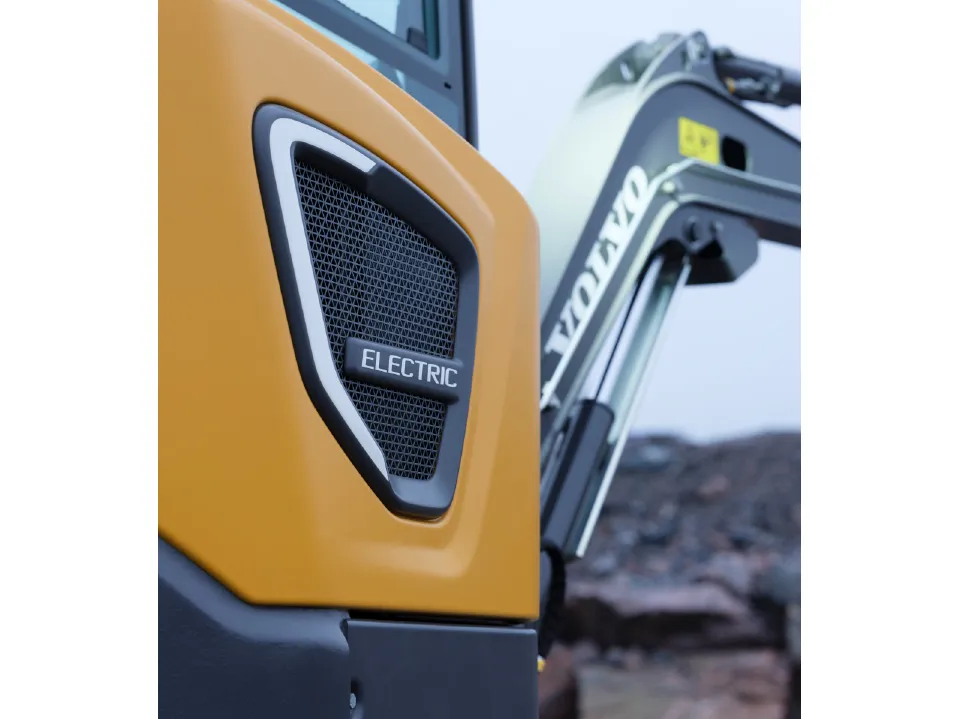
According to Andy Cnudde, customers’ first experiences with the electric Volvos have been very positive. The machines match the performance of identical versions with a combustion engine, while the quiet and comfortable cab is much appreciated. The electric motor produces significantly less noise and vibration, enabling users to deploy the machine in applications that were previously considered impossible, such as at night or during the day near noise-sensitive locations like hospitals, schools and shopping centres.
Another major advantage is that the zero-emission machines are ideal for indoor work. Examples include interior demolition and the construction of car parks. The ECR25 Electric is also well suited to landscaping and groundworks. Andy Cnudde says: “An electric mini excavator like this is ideal for landscaping or projects in natural surroundings. One customer told us after a rental period how convenient it was not to have an exhaust, so there was no need to take it into account when working among plants or trees.”
A full working day
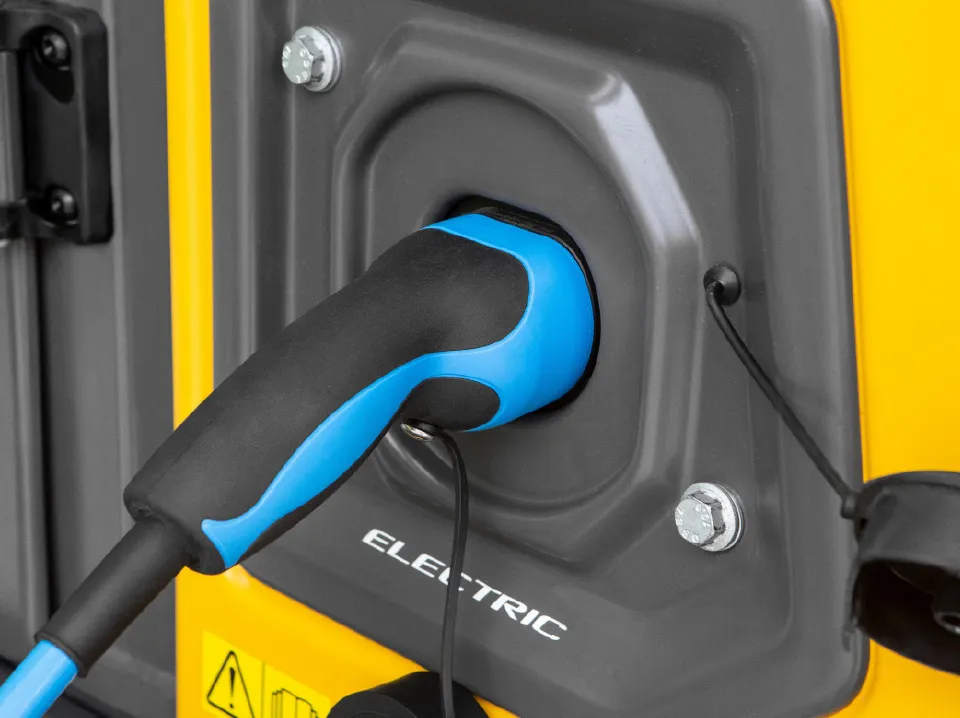
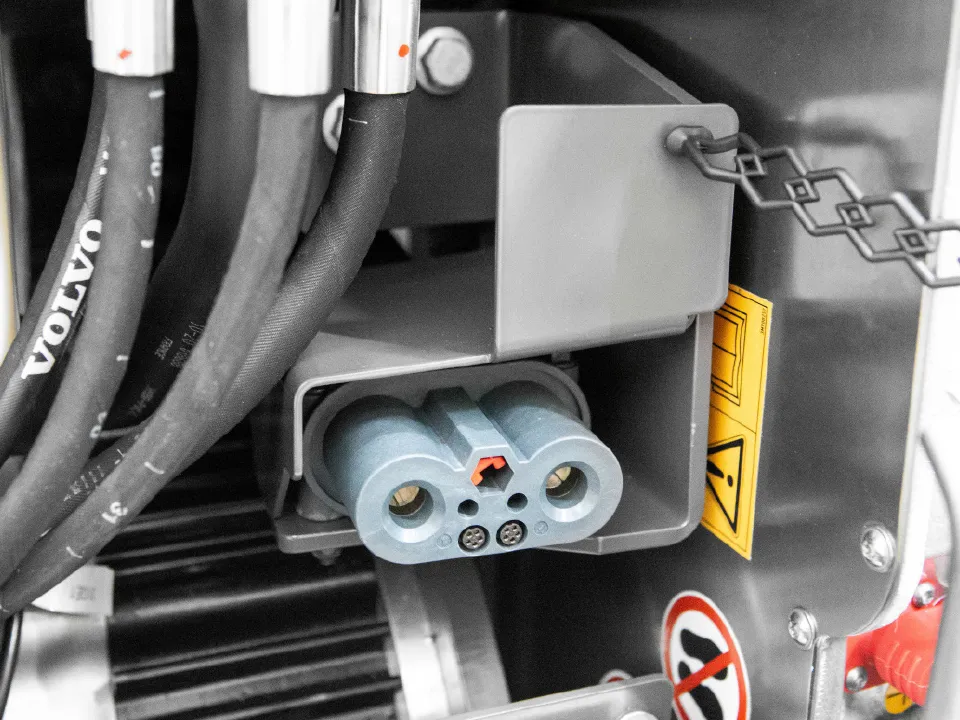
Safety is a core value for Volvo, and that is fully reflected in its electric range. The L25 Electric has a battery pack twice the size of the mini excavator’s, allowing the 5-tonne wheel loader to work a full day on a single charge (39 kWh). However, operators doing a lot of load-and-carry work will naturally need to recharge sooner. Both machines have 48-volt lithium-ion batteries that can be charged using an 11 kW charging station, indoors or outdoors, or a DC fast charger. Depending on the amperage available at the power supply, a three-phase charging station can fully recharge the battery pack in 1.5 hours (ECR25) to 2 hours (L25).
Urgent appeal
Belgium lacks an incentive scheme of the kind available in the Netherlands, which encourages investment in sustainable equipment. An urgent appeal is therefore being made to the government to give serious consideration to introducing such a subsidy. The annual savings can quickly add up, thanks to the lower cost of electricity compared with diesel. Generating your own electricity, for example with solar panels, brings even greater savings. Anyone who looks beyond the purchase price and also factors in lower fuel and maintenance costs, as well as the added value in tenders, will be surprised at how close an electric machine comes to its diesel equivalent on the bottom line.
Question about this story? Ask your question
Keep following this
Get an email when a new story is published. No account needed.
- ThemeTowards low-emission equipment and transport
- SubjectGeneral







