









Lessons from three companies on circular machine design
Text and images Sirris
Circular machinery is growing in importance. More and more companies are looking for machines that deliver strong performance while reducing environmental impact. In the Living lab project Circulaire Machinebouw, three companies explored circular strategies suited to their product, business and market. This article brings together the key insights.
There is significant potential in machine building to preserve the technical and functional value of machines. Circularity helps you reduce environmental impact and strengthen your business model by keeping machines productive for as long as possible. First, you can achieve this by using machines more and better: increasing output through rental, sharing and optimal use. Extending their service life, through services such as maintenance, repair and upgrades, also contributes to greater circularity. Third, you can extend their circulation: bringing discarded machines back onto the market through reuse and remanufacturing. In the Living lab project Circulaire Machinebouw, we analysed machines from 3D Tools, CYAGO and Eliet. Each company explored circular strategies suited to its market, technology and stage of growth.
Modular design combined with a buy-back model
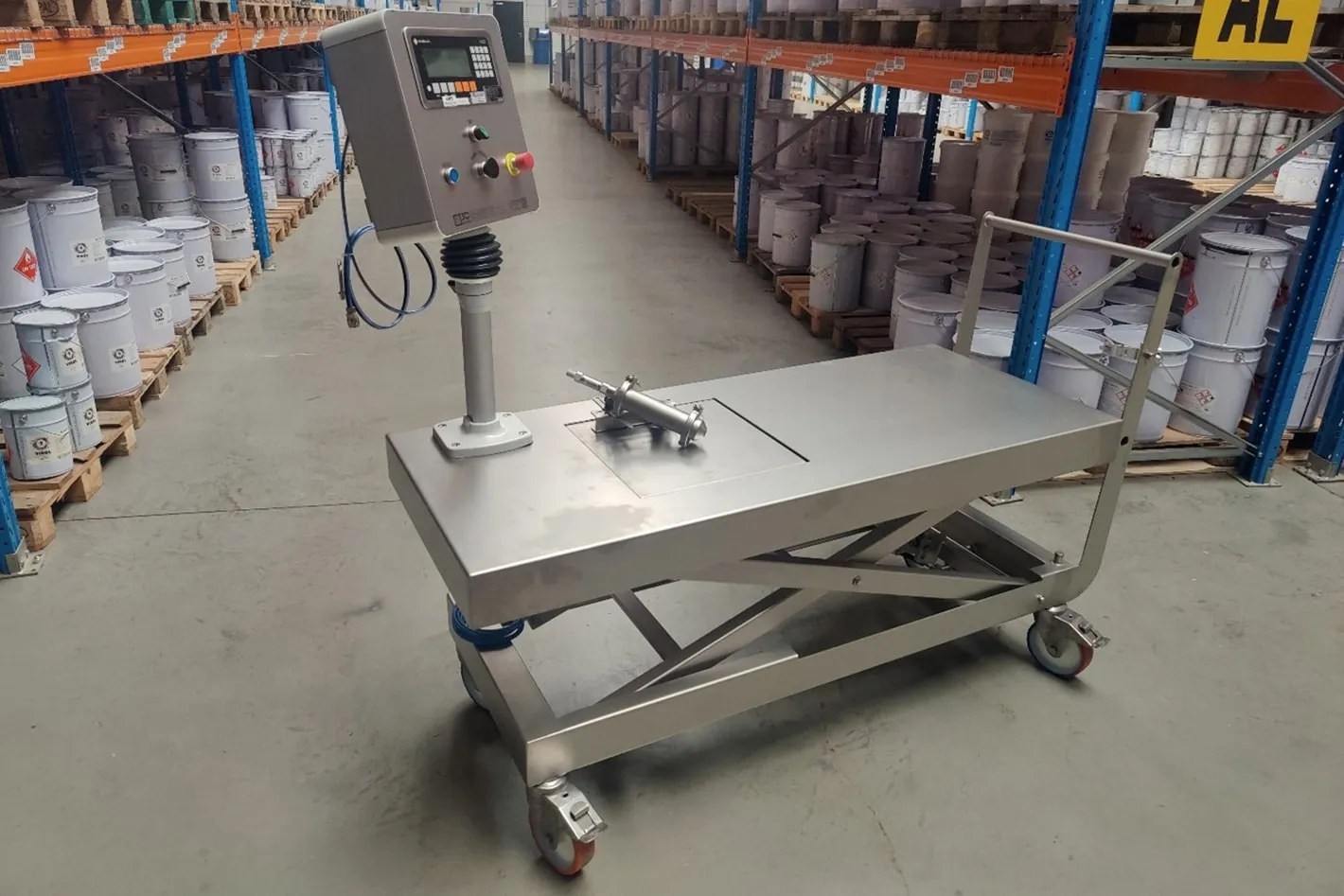
3D Tools designs and builds bespoke machines and launched the Gravifill, a semi-automatic filling machine. Modularity was a focus from the outset. Fewer variants shorten assembly time, simplify maintenance and enable reuse. The company also took environmental impact into account when selecting materials and treatment processes. 3D Tools now offers a formal buy-back service and sells reconditioned machines to its customers. To gain insight into use and service needs, the company equipped some customer machines with cloud-based data logging. This data helps develop data-driven advice, assess machine workload and evaluate condition before buy-back.
Consult customers before scaling up technology
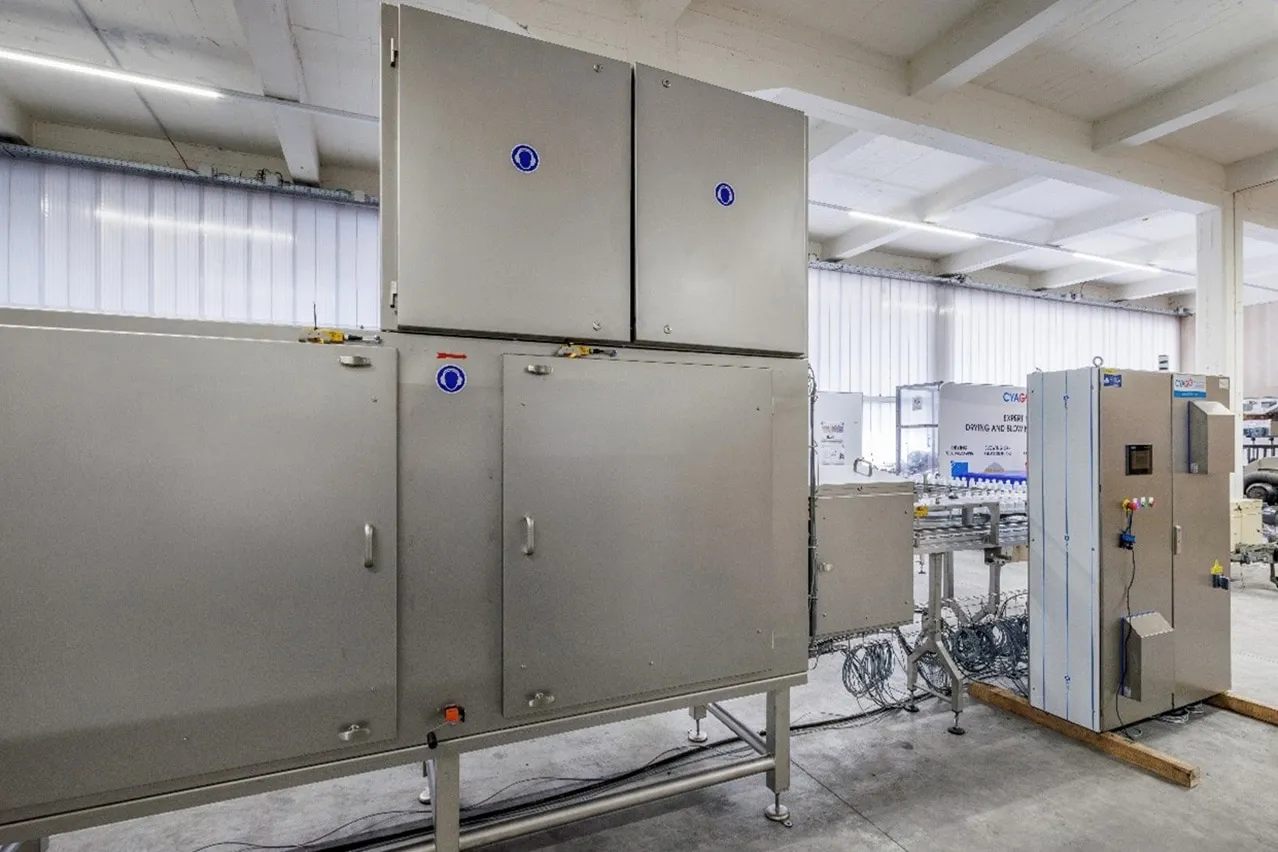
CYAGO specialises in drying and blowing solutions, with bespoke systems for a range of applications. Using fans means these solutions consume less energy than compressed-air systems. The company’s focus on bespoke engineering makes it difficult to achieve economies of scale by reusing complete machines. However, the machines share many components, creating opportunities for maintenance and repair. CYAGO is now focusing on closer customer follow-up to identify circular needs before adding technology. At the same time, the team is exploring modularity to support component reuse and customer-specific modifications.
Using rental to create circular value
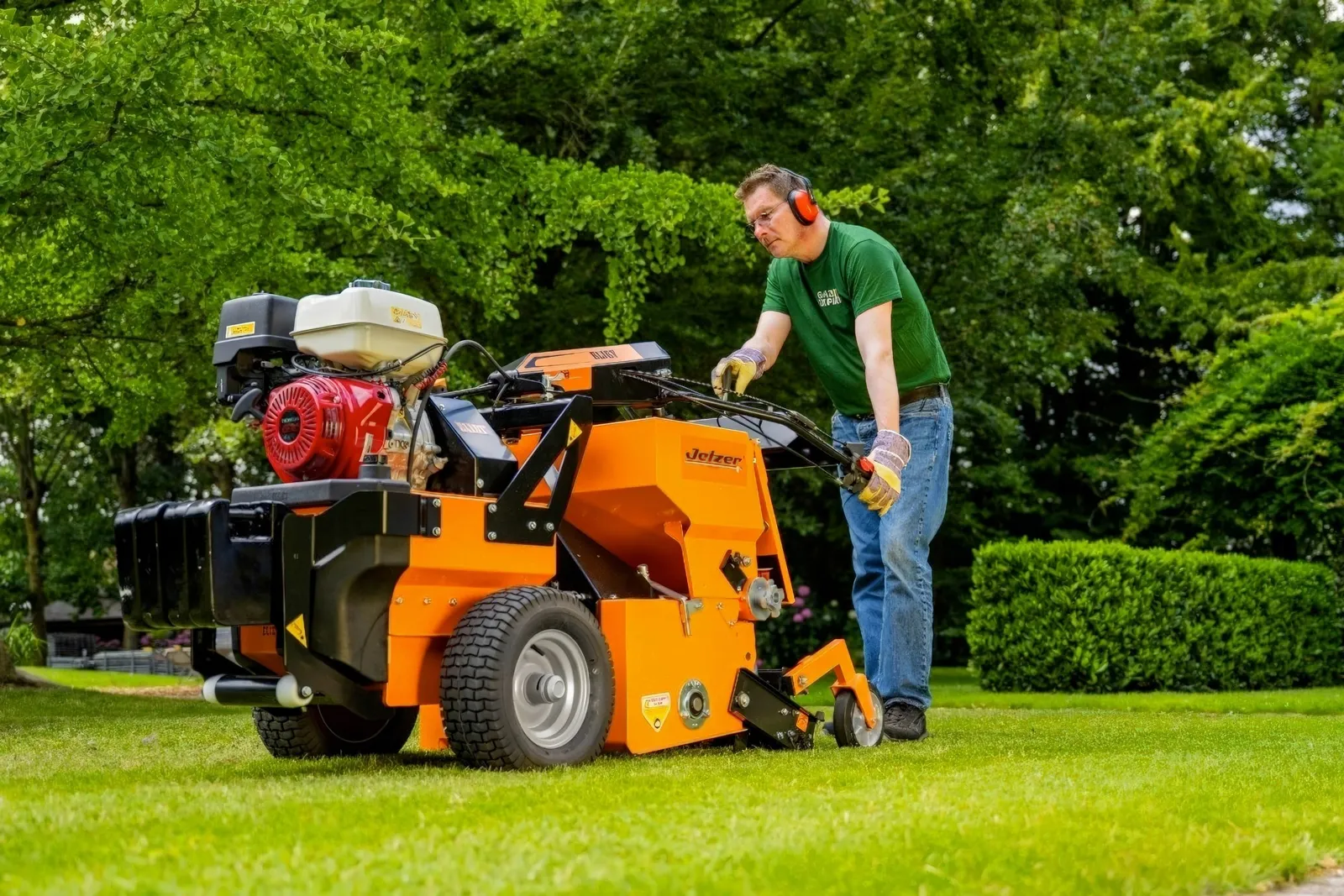
Eliet builds machines for grounds maintenance and developed the Jetzer, a new lawn-care machine. The company opted for rental to reach landscape contractors. Rental makes it possible to provide more functionality with fewer machines and offers a route into the market with strong circular potential. As Eliet designs robust machines, little adaptation to the machines themselves is needed. A digital platform supports the entire rental process. Sensors and remote monitoring could be added later. Eliet is already exploring these options for the maintenance of wood chippers, including embedded diagnostic software and connectivity for data exchange. This enables the company to support end users directly and keep machines operational for longer.
What we can learn from these cases
Although each case is unique, all three companies show that circular potential is always linked to new or improved services. With buy-back, rental, usage advice or maintenance support, machine builders are moving towards a combination of product sales and services that keep machines in use for longer and generate additional revenue. Key insights include:
- Start with customer needs: gather feedback through surveys, visits and follow-up;
- Standardise your offering where possible: this increases scalability and circular potential;
- Use modular design: set measurable design objectives;
- Address service-life issues at their source: consider every life-cycle stage during design;
- Collect the right usage data: essential for efficient repair, reuse and remanufacturing;
- Start small with data and software: begin with a proof of concept on one machine;
- Validate solutions with stakeholders: choose the simplest solution that works;
- Roll out new technology in stages: start with the function offering the greatest potential.
Question about this story? Ask your question
Keep following this
Get an email when a new story is published. No account needed.
- SubjectGeneral







