









Construction plant operators trained through individual courses
Text Niels RouvroisImage VDAB
Demand for trained and motivated operators remains acute
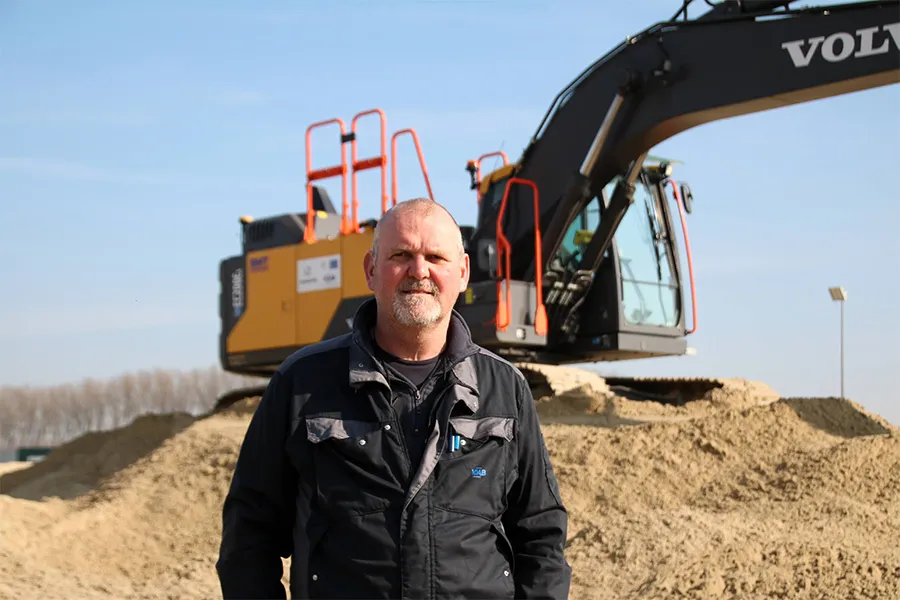
Demand for trained and motivated construction plant operators remains acute. VDAB is addressing this challenge with individual courses, which can be tailored to suit, at four centres across Flanders. The courses are open to both jobseekers and employees, who can follow a programme tailored to their needs. “Our comprehensive training covers every aspect, from familiarisation with different types of equipment to safety, maintenance and a work placement,” says Kris Depovere, construction plant instructor in West Flanders.
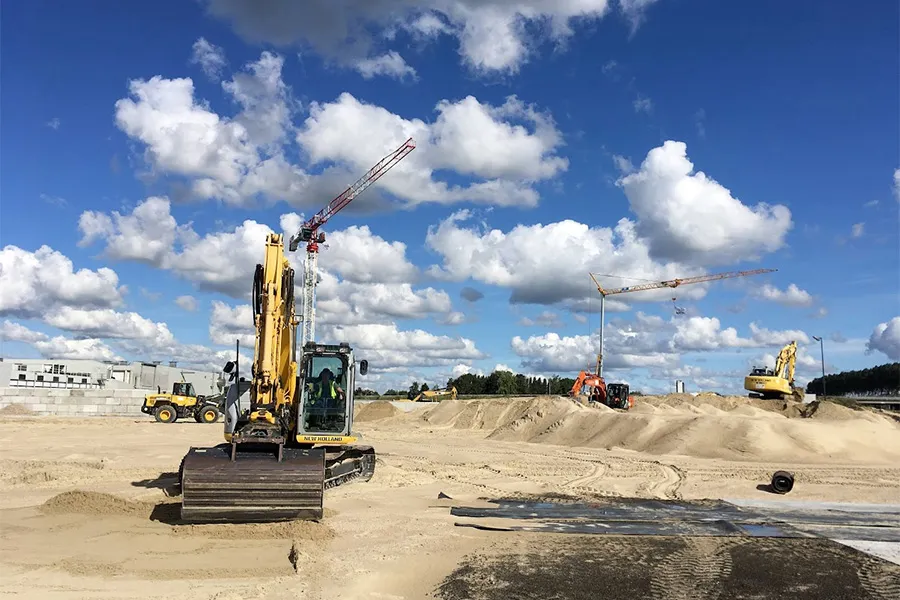
As an operator, you work with large, powerful and heavy machinery in the civil engineering sector. It is a varied job that naturally calls for the right skills. A good knowledge of the different machines and everything involved in operating them is essential. VDAB provides this training at four locations across Flanders. “A wide range of construction courses are run in Roeselare, Zottegem, Herentals and Bilzen, including the construction plant operator course,” says Kris Depovere, who works as an instructor in Roeselare alongside a colleague. “I’ve been doing this for twelve years now. A large VDAB campus is being developed here in Roeselare, but we’ve been active on the site since 2017. Courses for formworkers, tower crane operators and road construction workers are also held here.”
Four training centres
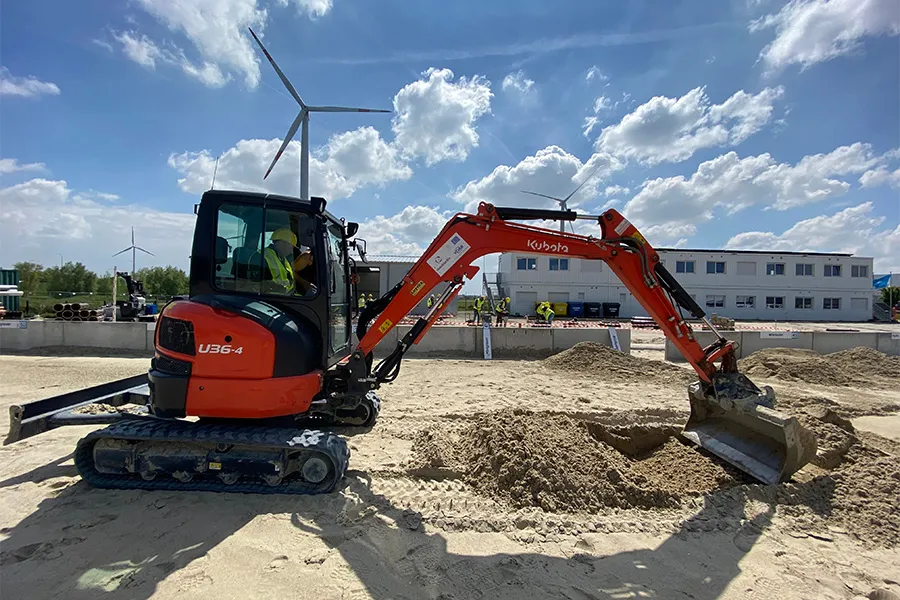
At the four centres in Flanders, eight instructors are busy every day training mainly jobseekers to become construction plant operators. Kris Depovere: “They are our main target group. But employees and companies can also contact us for a tailored programme. The programme and course duration are then agreed between us. If a company specifically wants an employee trained or upskilled as a wheel loader operator, that can usually be done in a week. We also welcome pupils from VTI in Roeselare, who come here for work placements. The course we offer to jobseekers is an individual programme that can start at any time and lasts an average of around twelve weeks. We have enough equipment to train twelve students at once. We usually schedule one week per machine, from a mini excavator to a 21-tonne excavator.”
The right profile
Each training programme starts with a motivation interview with one of the VDAB job advisers. They are constantly looking for interested jobseekers. Kris Depovere: “The interview shows whether the person has the right profile to start the course. VDAB’s job advisers identify suitable candidates and assess whether there is a match. For candidates with the right profile, job security is virtually guaranteed, as construction plant operator remains an occupation with a labour shortage. Many companies are still searching for the ideal candidate, but unfortunately that person no longer exists. Training is the answer, and VDAB provides a very solid foundation for working on site. But practical experience remains crucial to becoming a fully qualified, experienced operator.”
Understanding and empathy
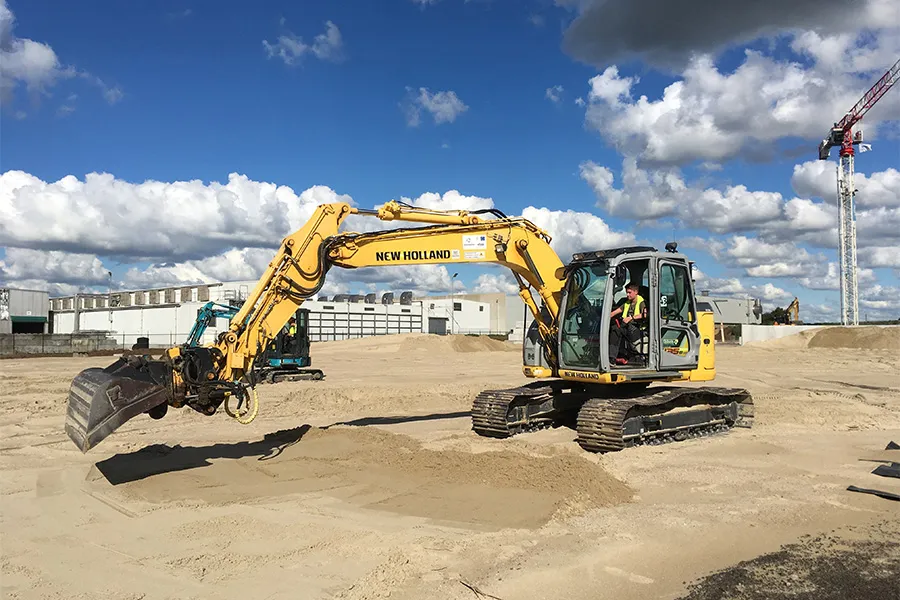
Trainees learn more than how to operate the different machines. They are also taught maintenance, how to create a slope, level a site and excavate areas, as well as how to collect and transport materials around the site and install sewers. The programme also includes VCA training and a work placement to provide the necessary practical experience. “Construction plant operation has also become highly technical. Lasers, GPS control, automation … you can’t do without them today. I’ve been in the trade for more than 30 years and have seen a lot of change. In the early 1990s, equipment ran on simple engines that operators could, so to speak, repair by hand themselves if necessary. Today, virtually everything is computer-controlled. This advanced automation makes the whole process more abstract, which means that understanding and empathy are now important skills for construction plant operators,” concludes Kris Depovere. ■
Question about this story? Ask your question
Keep following this
Get an email when a new story is published. No account needed.
- SubjectGeneral







