









Battery power versus hydrogen: the debate
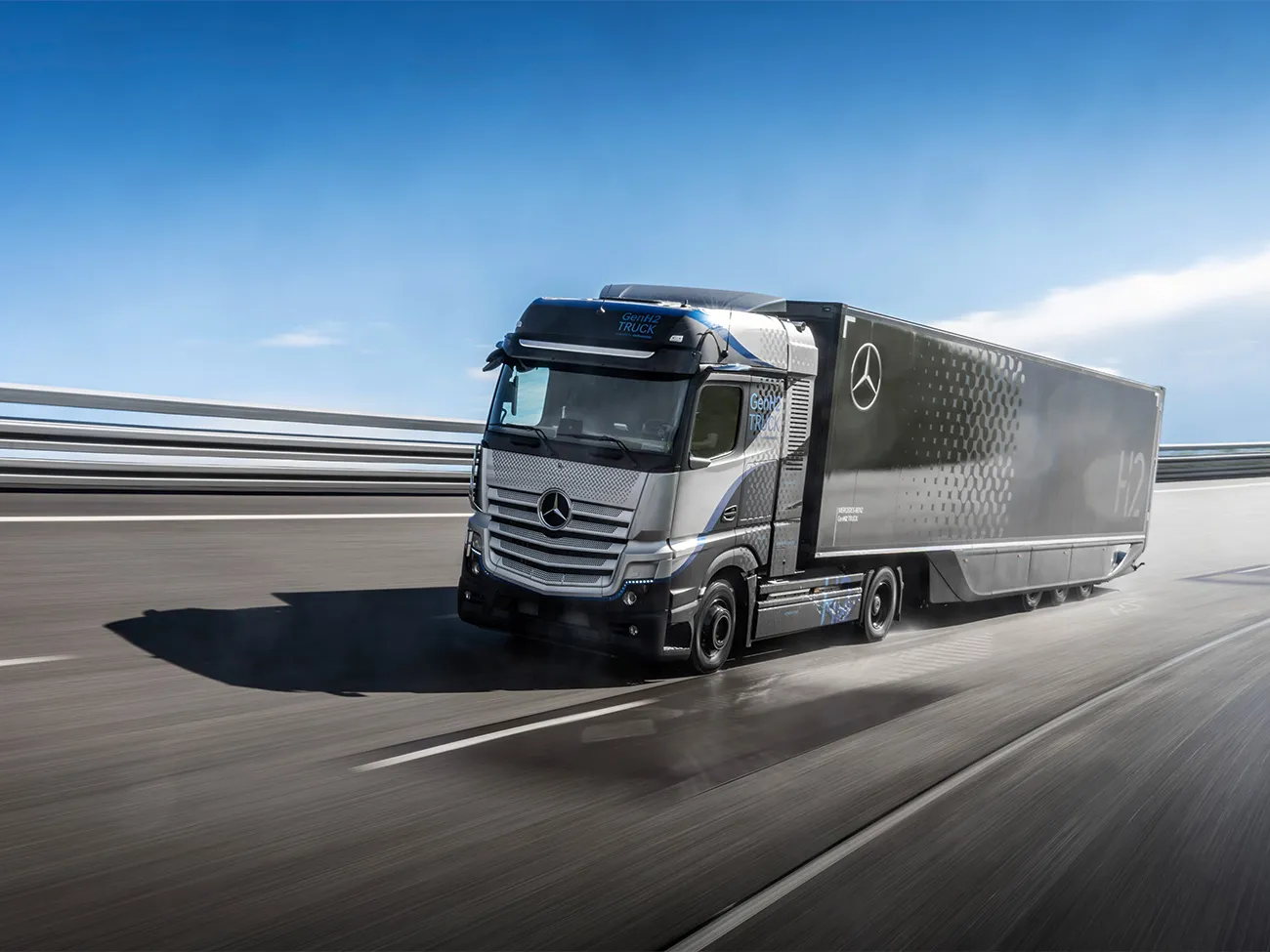
Daimler Truck consistently pursues a dual strategy using both technologies
· A comprehensive roll-out of zero-emission technologies must take account of customers’ diverse transport needs.
· Combining battery and hydrogen technologies ensures ideal transport solutions for every application.
· Daimler Truck already offers battery-electric trucks in series production.
· Hydrogen power is often the better solution for demanding transport operations that require greater range and more flexibility.
· Dr Andreas Gorbach, Member of the Board of Management of Daimler Truck AG and Head of Truck Technology: “There will always be debate about the practical aspects of various alternative drive technologies, such as energy efficiency. Battery-electric vehicles are more energy efficient than hydrogen-powered vehicles, but sometimes the bigger picture is overlooked. Alongside energy efficiency, the availability of the necessary infrastructure and sufficient green energy are also decisive factors in a successful transition to zero-emission technologies. We are convinced that only a combination of both technologies can meet these energy needs quickly and cost-effectively.”
Which technology is best suited to a CO₂-neutral future? That is the question occupying the truck industry, the energy sector and politicians. Daimler Truck has set out its strategic direction and is consistently pursuing a dual strategy to electrify its range, using battery power on the one hand and hydrogen on the other. The reason is the wide variety of applications and tasks for trucks. Hydrogen power is often better suited to flexible, demanding applications in key sectors such as heavy-duty and long-distance transport. The same applies to electric trucks as to conventional trucks. When choosing their vehicles, transport companies make rational decisions based on operating costs. They do not want to compromise on day-to-day usability, payload or range. Daimler Truck will continue to offer its customers the best vehicle solutions for every application.
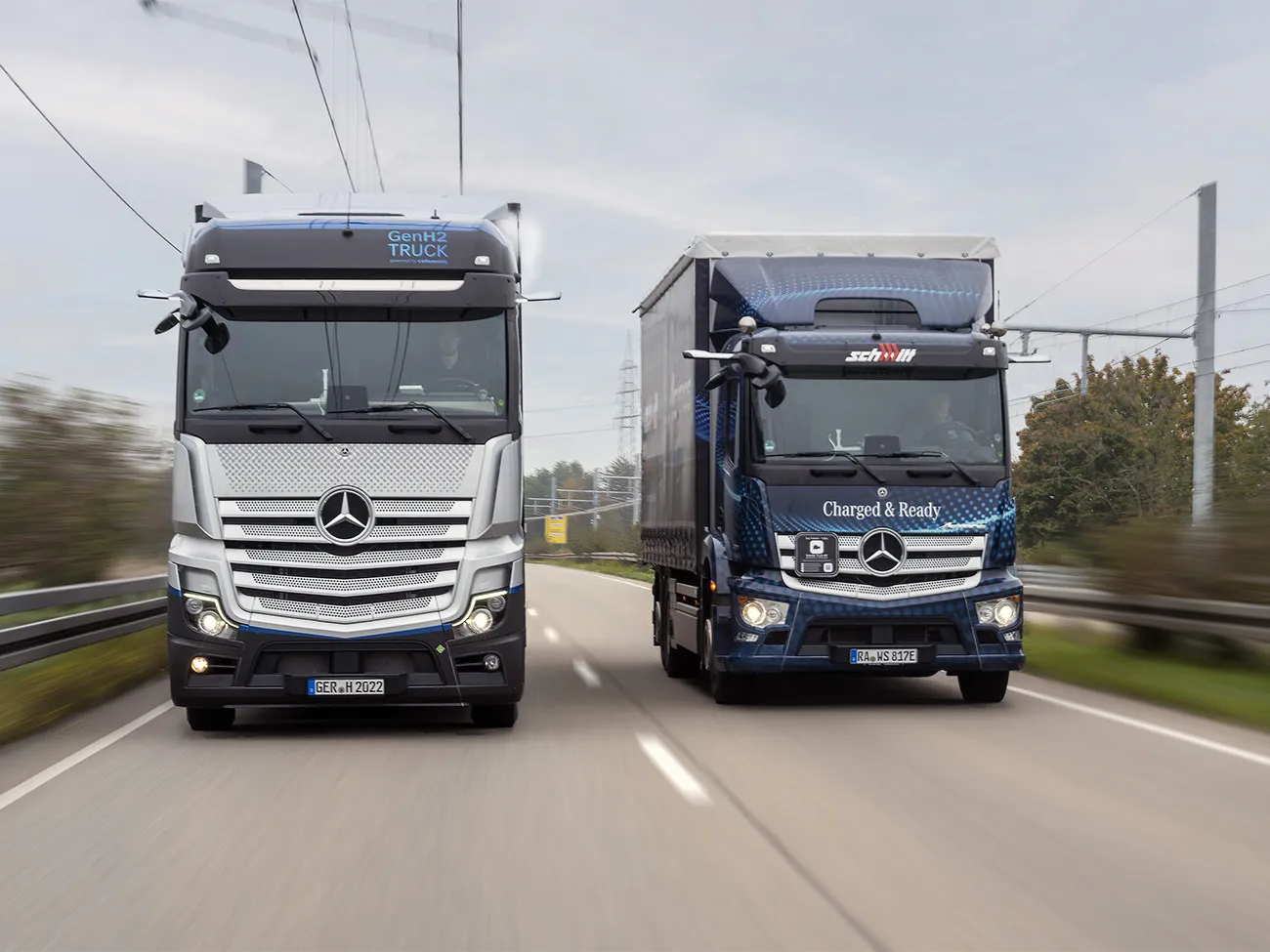
Dr Andreas Gorbach, Member of the Board of Management of Daimler Truck AG and Head of Truck Technology: “There will always be debate about the practical aspects of various alternative drive technologies, such as energy efficiency. Battery-electric vehicles are more energy efficient than hydrogen-powered vehicles, but sometimes the bigger picture is overlooked. Alongside energy efficiency, the availability of the necessary infrastructure and sufficient green energy are also decisive factors in a successful transition to zero-emission technologies. We are convinced that only a combination of both technologies can meet these energy needs quickly and cost-effectively. In future, almost no country in the world will be self-sufficient in affordable green energy. Countries will therefore have to trade in carbon-neutral energy sources globally. Green hydrogen will play a crucial role in this. We expect it to be traded at very attractive prices in future. We also see benefits in the cost and technical feasibility of hydrogen infrastructure, as well as in the greater range, versatility and shorter refuelling times for customers. Hydrogen trucks can therefore be a viable solution for our customers, particularly for heavy-duty transport and in terms of operating costs, even if their energy efficiency is lower. If we want to choose the best transport solution, energy efficiency is an important criterion, but it is not the only one.”
“As one of the world’s largest commercial vehicle manufacturers, we are committed to the Paris Agreement. Our objective is to offer only new vehicles that are carbon neutral in operation by 2039. This will enable us to offer our customers a zero-emission solution tailored to every transport task. With strong support from various industry and political partners, we will successfully bring both technologies to market,” Gorbach continues.
More than forty governments around the world have launched comprehensive hydrogen action plans. These plans are based on the view that, in the long term, only hydrogen can provide a stable, fully renewable energy carrier. There are also many applications that can only be decarbonised using hydrogen. This clear signal in favour of a hydrogen-based energy system has already prompted extensive announcements from numerous global companies. Experts expect hundreds of billions of euros to be invested in hydrogen production, transport and infrastructure this decade.
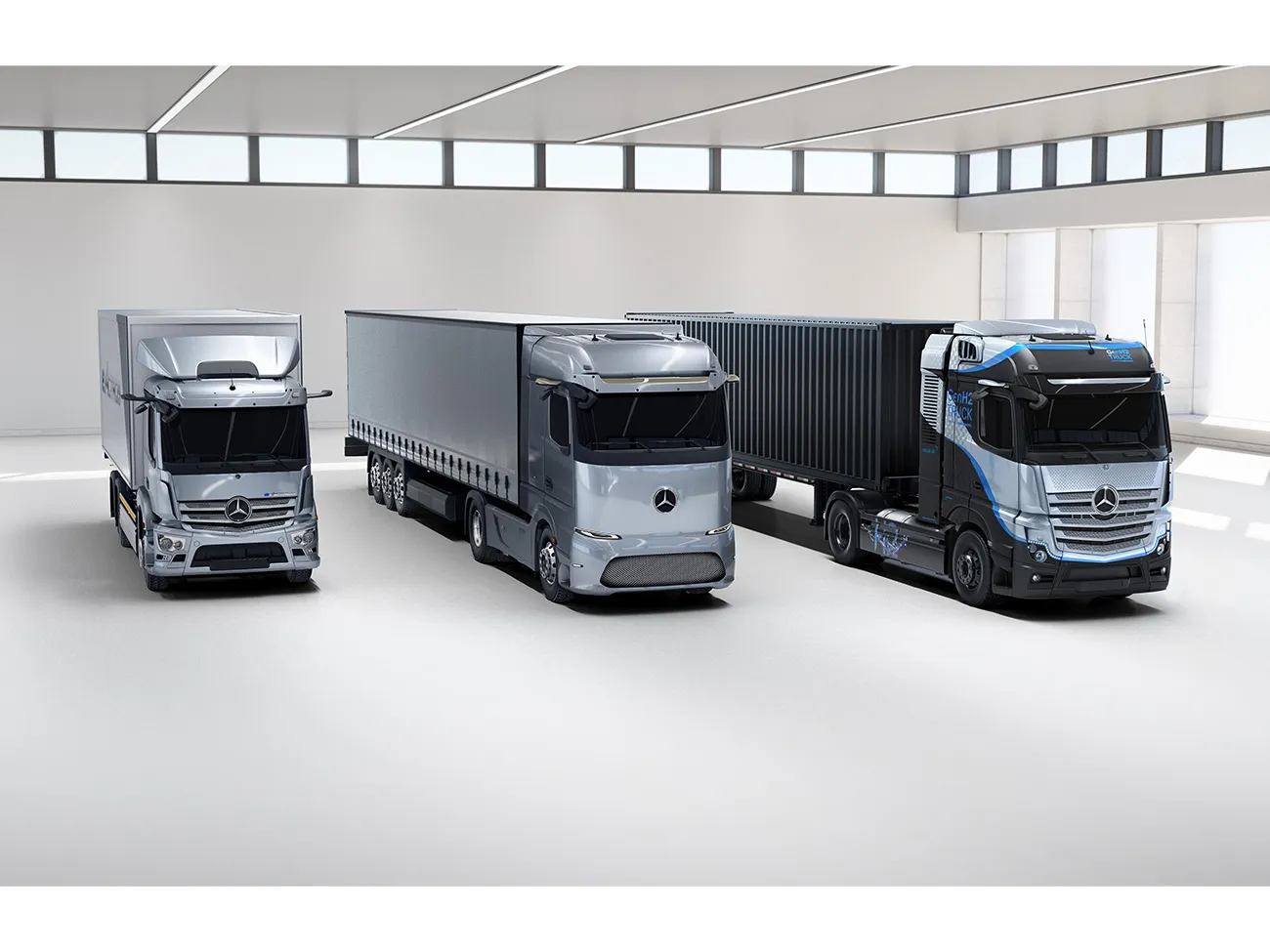
Comprehensive commitment to hydrogen
Daimler Truck has been working with Linde for some time to develop the next generation of refuelling technology for liquid hydrogen, for use in hydrogen trucks. The partners aim to make refuelling with hydrogen as simple and practical as possible. For hydrogen refuelling infrastructure along major European transport routes, Daimler Truck intends to work with Shell, BP and TotalEnergies. In addition, Daimler Truck, IVECO, Linde, OMV, Shell, TotalEnergies and Volvo Group have committed to working together to facilitate the large-scale deployment of hydrogen trucks in Europe as part of H2Accelerate (H2A).
Cellcentric: fuel cell partnership with Volvo Group
Daimler Truck is working with Volvo Group to build hydrogen fuel cells. The two companies founded cellcentric in 2021. The joint venture aims to become one of the world’s leading fuel cell manufacturers. To this end, it will build one of Europe’s largest production facilities from 2025.
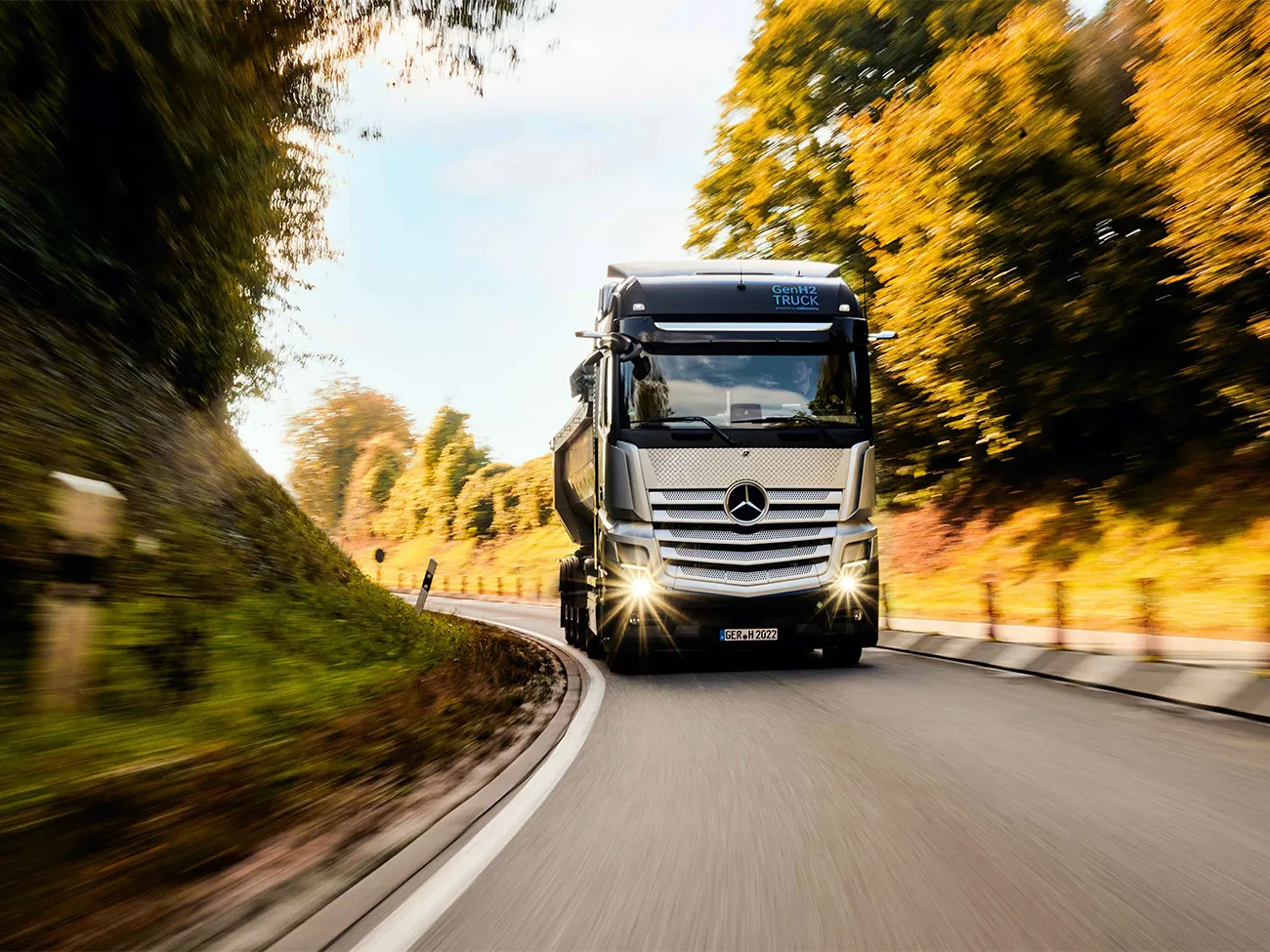
Daimler Truck consistently pursues a dual strategy
The battery-electric Mercedes-Benz eCitaro and Mercedes-Benz eActros entered production in 2018 and 2021 respectively. The Mercedes-Benz eEconic, FUSO eCanter and Freightliner eCascadia will follow later this year, with other vehicles in the pipeline. On the hydrogen side, the Mercedes-Benz GenH2 Truck fuel cell prototype has been undergoing intensive testing since last year, both on the company’s own test track and on public roads. The development target is to give the production model, due to enter the market in 2027, a range of up to 1,000 kilometres and beyond
Question about this story? Ask your question
Keep following this
Get an email when a new story is published. No account needed.
- ThemeConstruction transport on road and site
- SubjectGeneral







