









A year of transition in a turbulent environment
Text Sigma / Kris Vandekerckhove Beeld Sigma
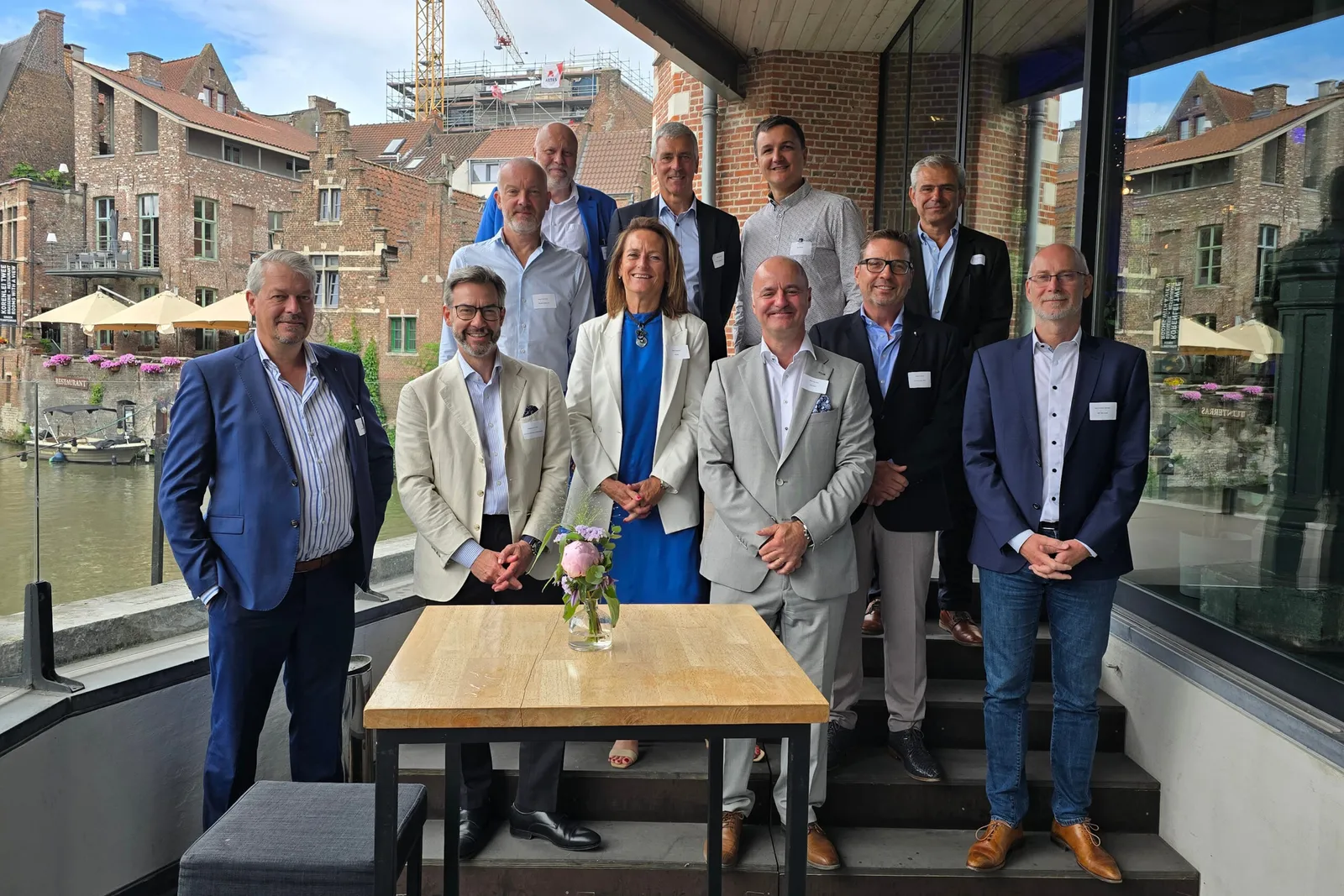
With turnover down 15% and notable shifts across the sector, 2024 was not a record-breaking year for Sigma, but it was a year of realism and reorientation. At its General Meeting in June, the federation presented its annual economic report, offering a sharp analysis of the figures and the context in which they were achieved.
In his opening address, Sigma chairman Dries Van Haut referred to the fundamental impact of information technology on our society and the growing tension between globalisation and national interests. In his view, this geopolitical uncertainty, including trade wars, the war in Ukraine, inflation and rising interest rates, is clearly affecting the sector’s willingness to invest.
The tone was not pessimistic, however. “Survival of the fittest does not mean the strongest, but the best adapted. ‘Adapt to change’. That matters more than ever today,” said Van Haut.
Civil engineering: fewer sales, more service
The civil engineering sector saw a 17% fall in the number of machines sold. Yet there was also a positive trend: aftersales revenue grew significantly. In 2023, new machines still accounted for 70% of turnover. In 2024, that figure fell to just over half. Parts, maintenance and rental now account for 28% of revenue, compared with barely 10% previously. The trend points to a more professional approach and customers keeping machines in service for longer.
Market under pressure, but signs of resilience
Some segments of the sector took a heavy hit in 2024. Forklift sales fell below 8,000 units, their lowest level in years. The generator market was also hit, with the number of units sold halving to just 1,800. The causes are varied: economic uncertainty, stricter environmental standards and a hesitant shift to more sustainable alternatives. Sigma sees signs of resilience, however. Both subsectors are actively exploring innovative business models, such as rental and service contracts, and are looking for clearer government incentives.
New board, fresh perspective
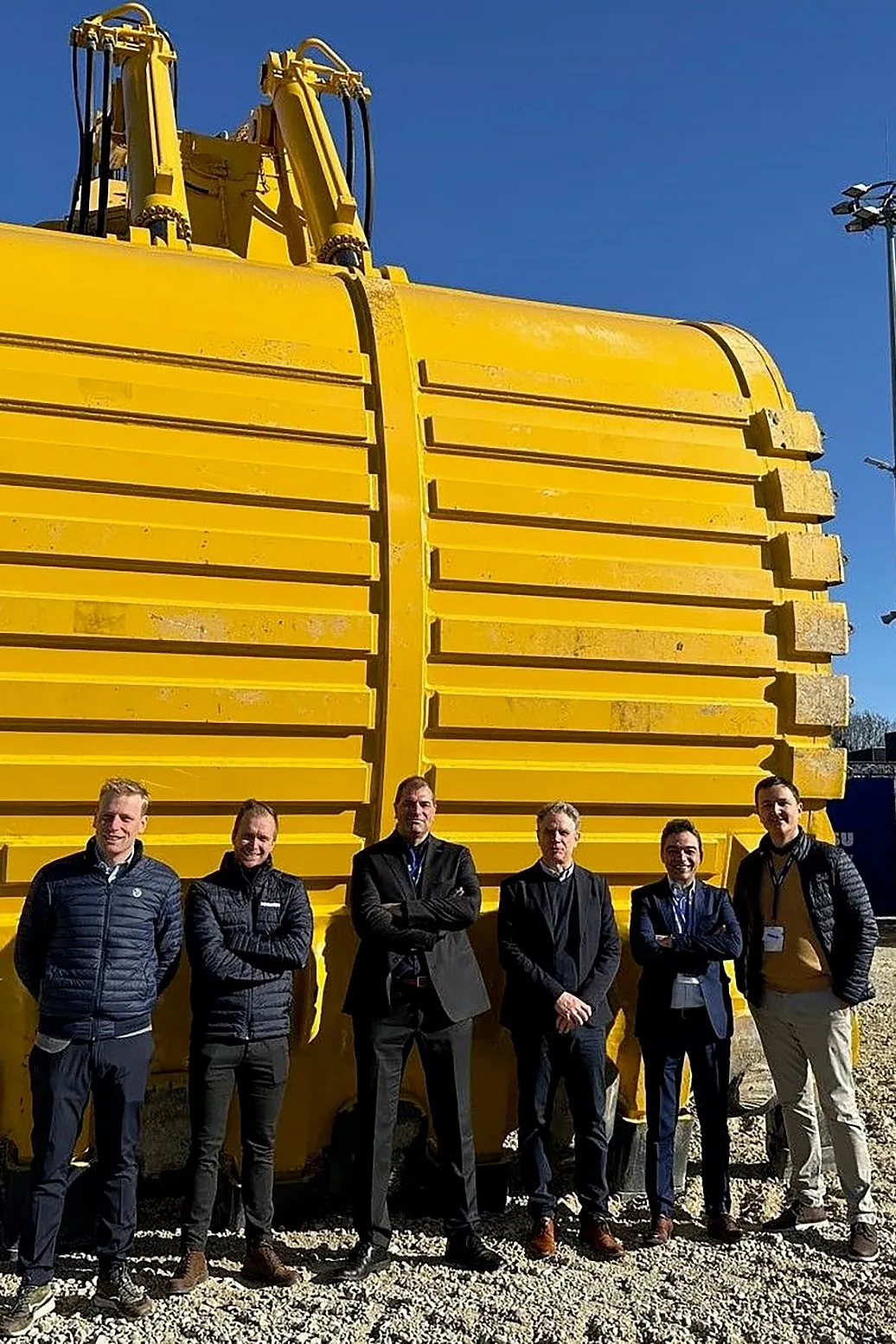
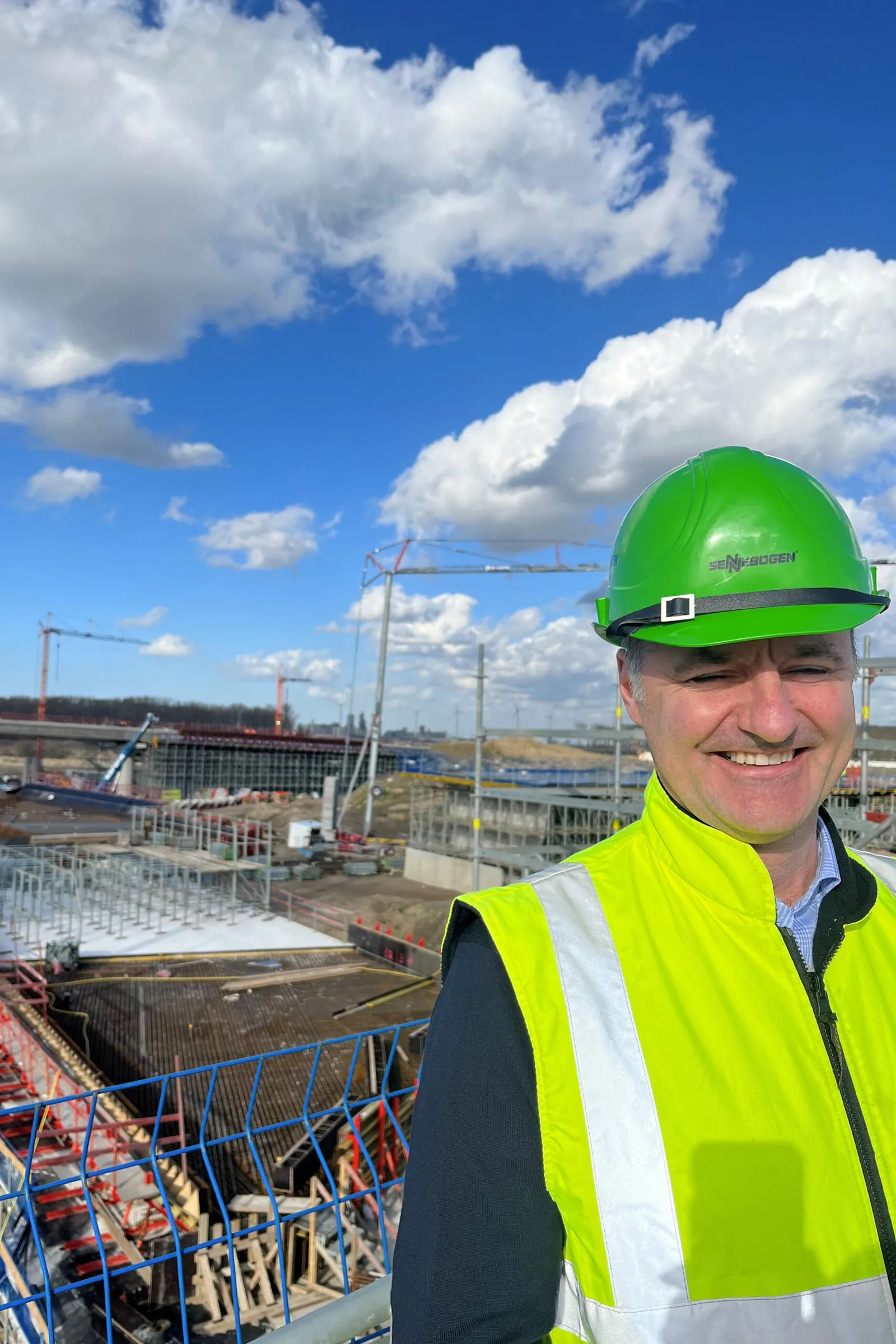
A new Board of Directors was also elected at the meeting. Jean-Christophe Smeets did not stand for re-election following the transfer of Hillaire Vander Haeghe’s Yale import activities to B-Close. New faces include Jean-François Gatineau (SMT Belgium) and Eric Maertens (B-Close). With this refreshed team, Sigma aims to place greater emphasis on collaboration and long-term thinking.
A balanced sector: between freedom and regulation
According to Van Haut, the challenge for policymakers is to strike a balance. The sector needs more room to manoeuvre and less cumbersome regulation. At the same time, clear rules are needed so that all players can compete on a level playing field. This is particularly important amid growing dumping practices and mounting price pressure from non-European markets.
The zero-emission paradox
Sustainability presents another tension. Demand for zero-emission machines is rising, but price, performance and range often remain stumbling blocks. Sigma nevertheless believes adoption could accelerate if more European countries follow the example of the Netherlands and Norway. Technological progress could therefore be a lever for change, rather than an obstacle.
Conclusion:
The construction and earthmoving equipment sector is at a turning point. Less blind growth, more focus on service, sustainability and resilience. Sigma hits the nail on the head in its 2025 report: the aim is not to ‘go back to how things were’, but to be ready for tomorrow.
Question about this story? Ask your question
Companies in this story


Keep following this
Get an email when a new story is published. No account needed.
- SubjectGeneral
- CompanyVan Haut
- CompanySMT Belgium







