A look at the future of earthmoving
Text Guy De Meulenaere Beeld Pieter de Mos & BIA
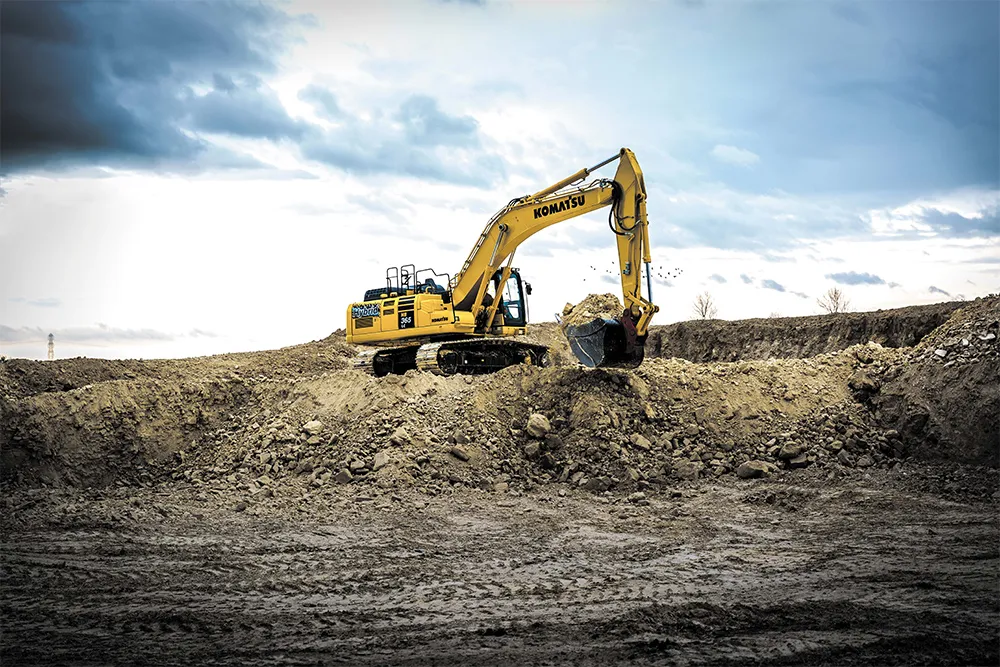
The term zero emission is now firmly part of the conversation in earthmoving too. How realistic is this ambition, what other societal developments are affecting the sector, and what innovative developments are we seeing from the leading machinery manufacturers? The industry is clearly responding effectively to government expectations for greater sustainability. An irreversible shift appears to be under way. The positive side is that the environmental impact of construction and infrastructure projects continues to fall, while new opportunities are emerging at the same time.
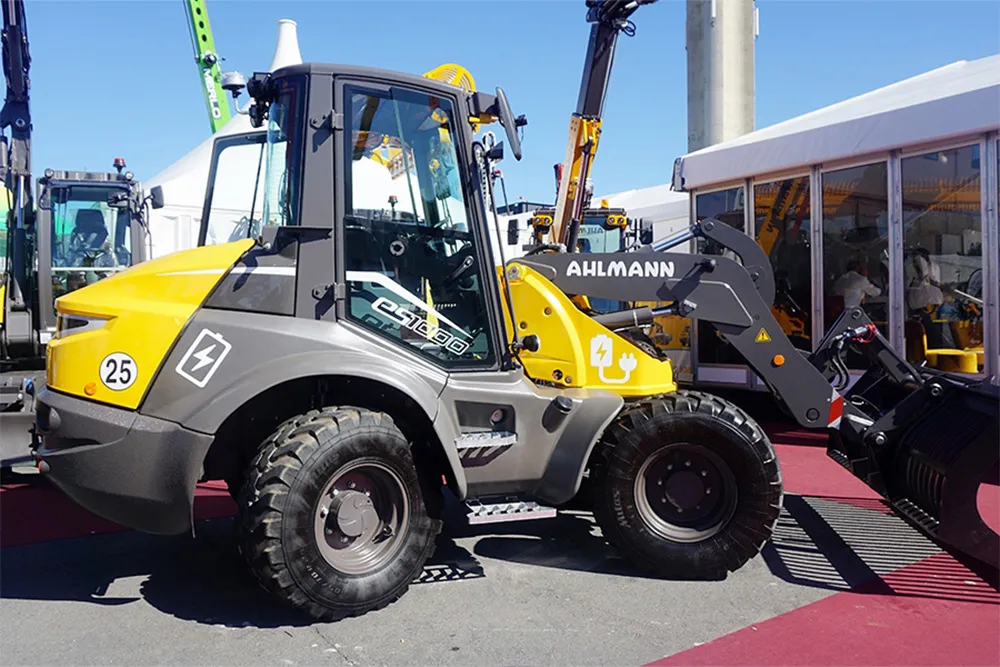
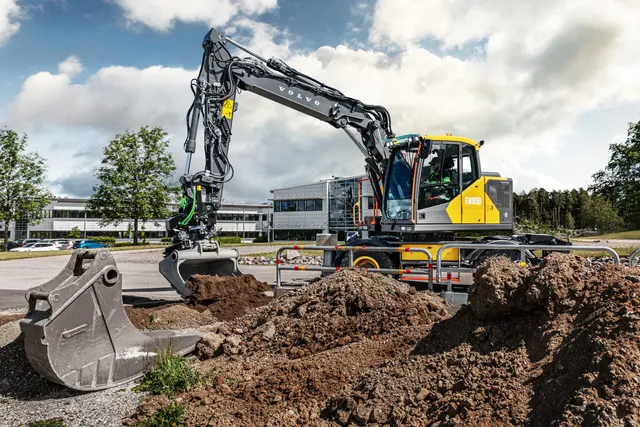
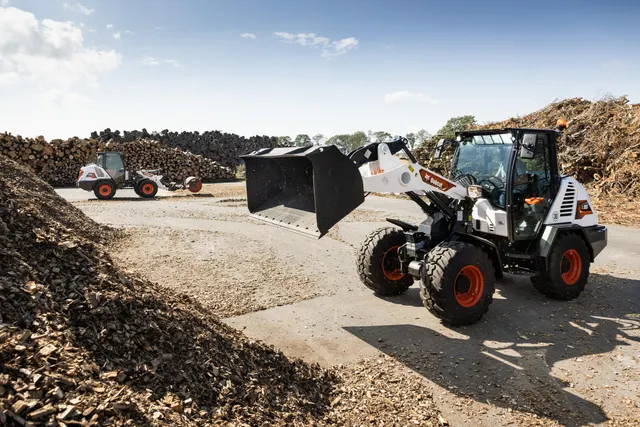
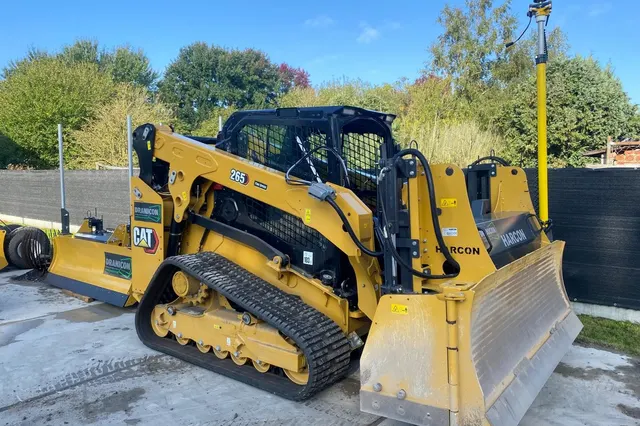
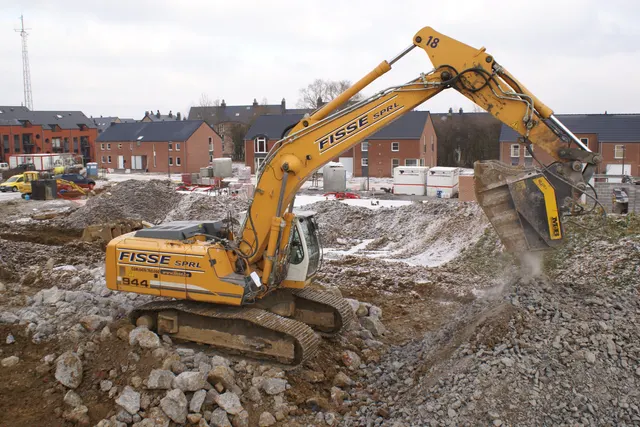
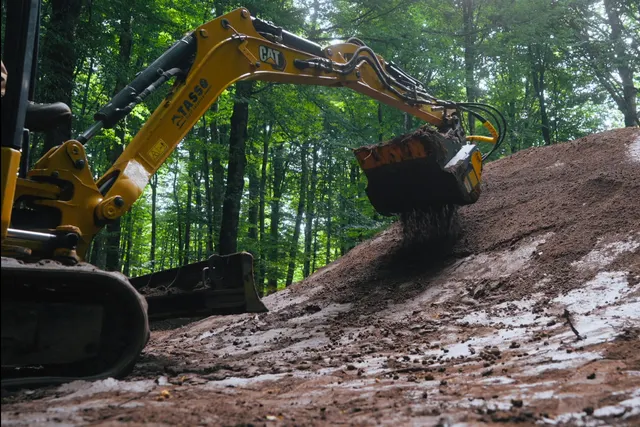
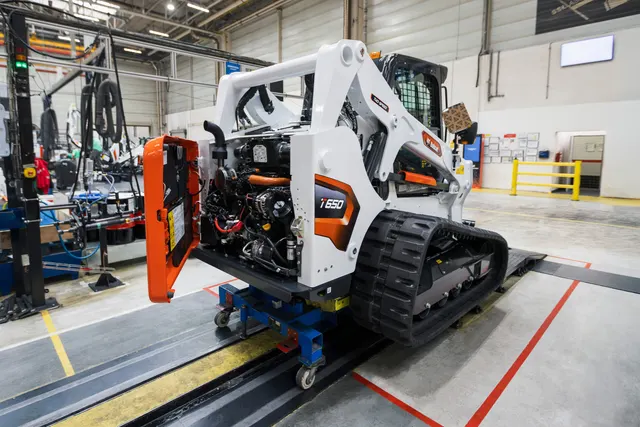
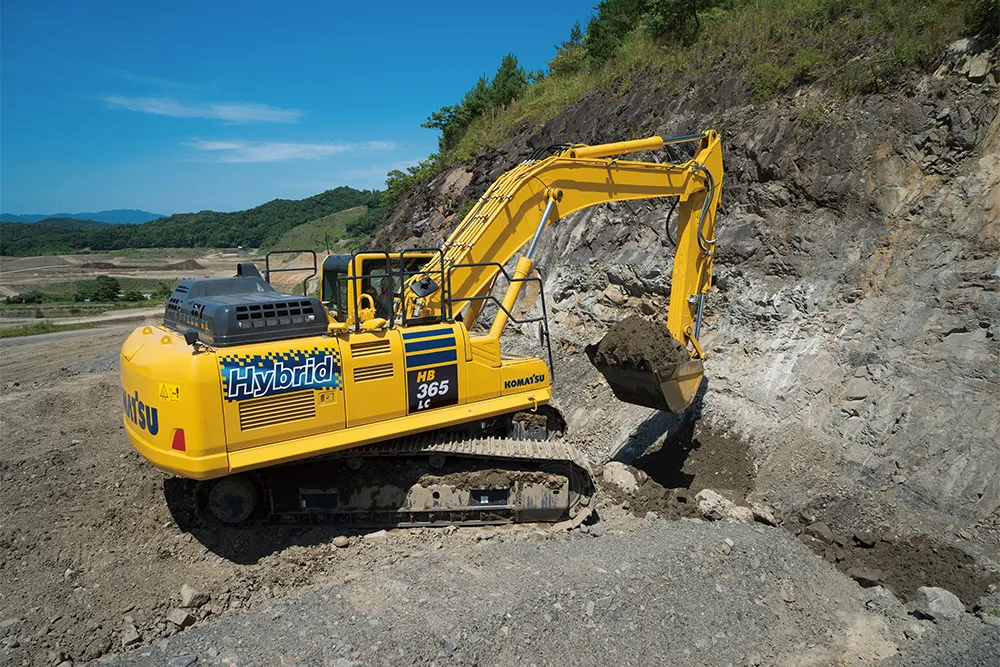
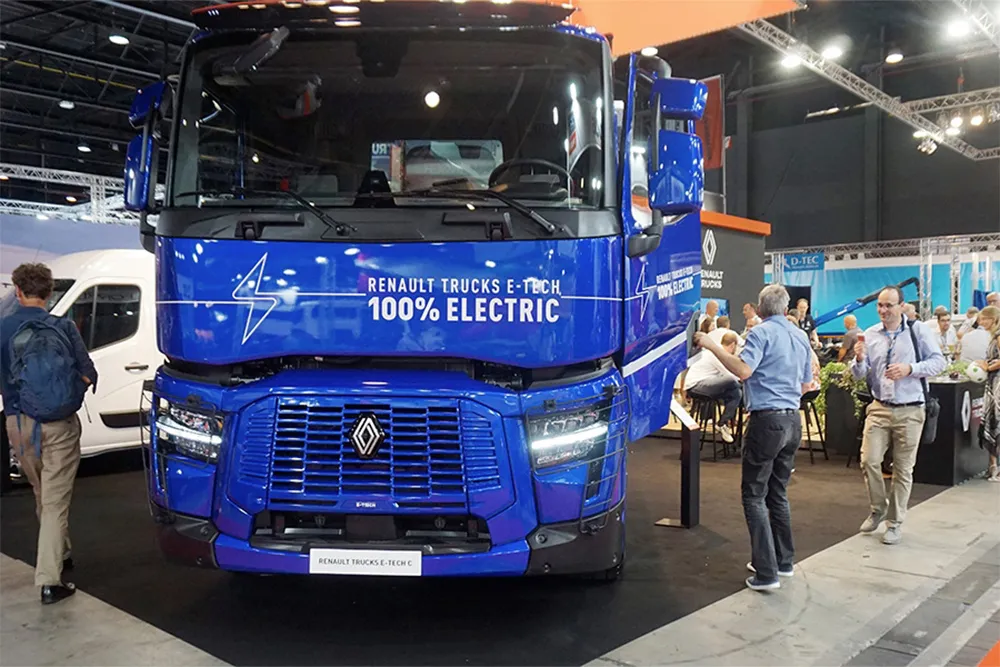
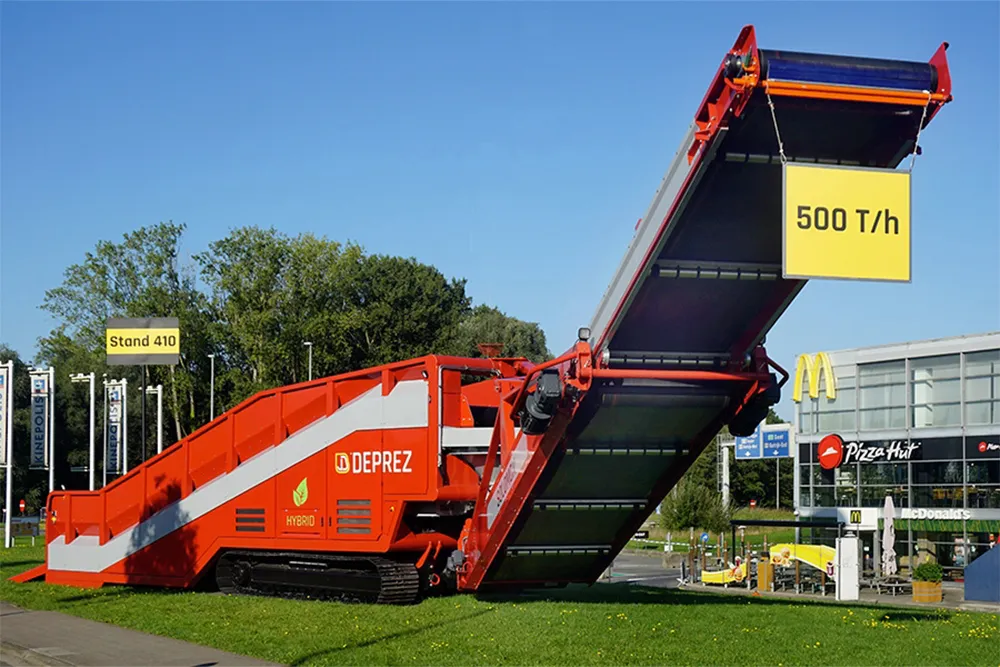
Let’s first take a closer look at the developments we can expect from manufacturers of excavators, bulldozers, wheel loaders, graders, skid-steer loaders and related equipment. They are increasingly focusing on designing and producing 100% electric machines. Most investment is going into developing powerful electric drive systems capable of handling heavy-duty tasks. Hybrid models are also becoming increasingly common on construction sites. They are no longer unusual in a fleet, combining flexibility with efficiency. Electric power can be used for lighter tasks, while conventional fuel is used for heavier work.
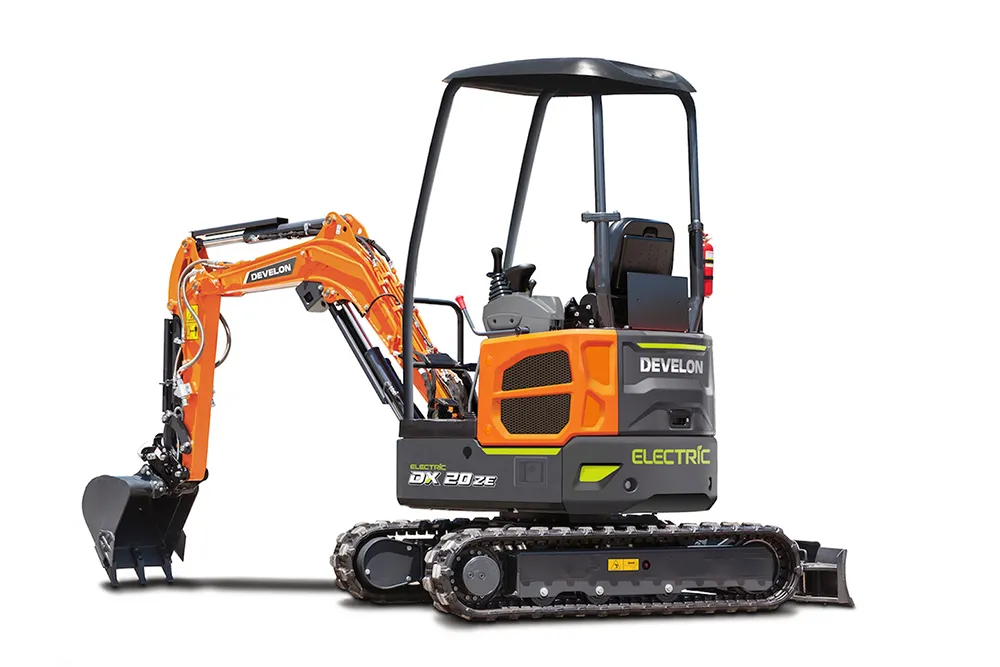
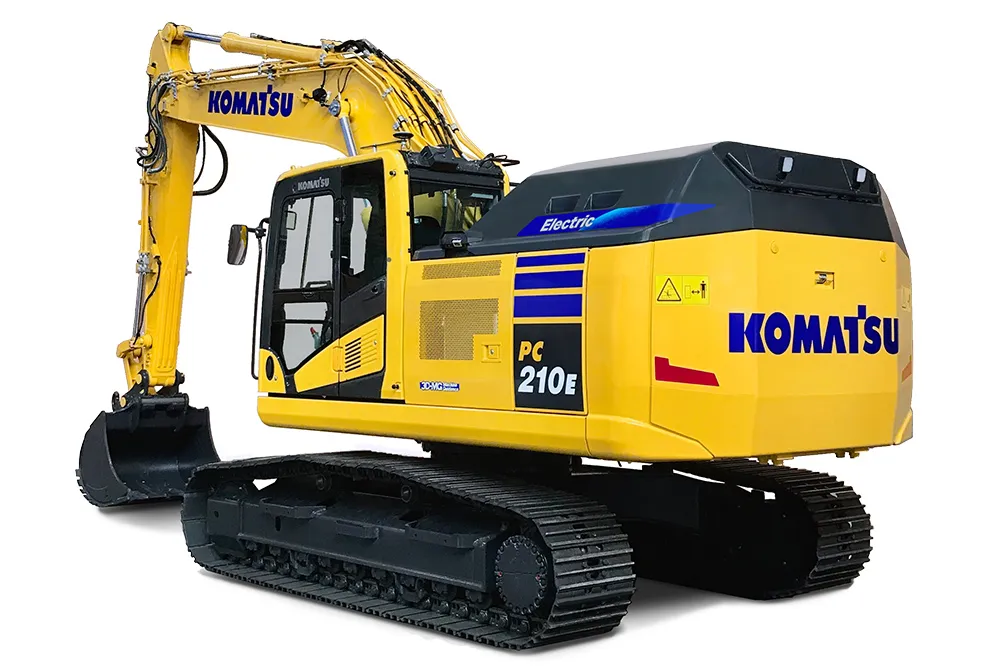
Innovation
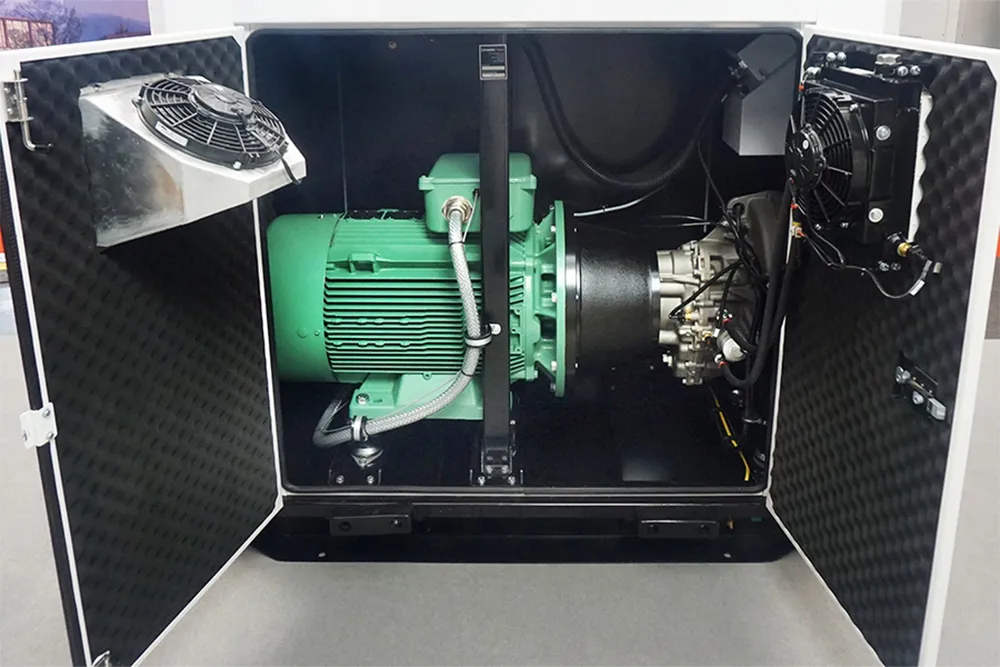
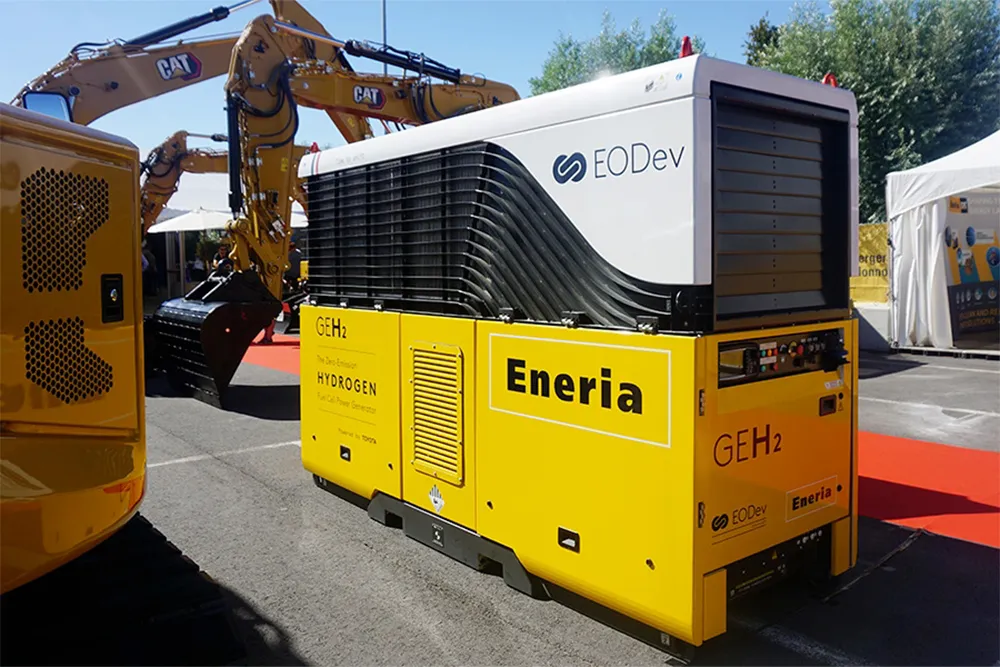
We are also seeing manufacturers shift their focus in research and development towards advanced battery technologies. Greater capacity, faster charging times and a longer service life are essential to making electric excavators more practical. Alongside this focus on advanced battery technology, research is also under way into alternative fuels such as hydrogen and biogas. There is growing attention too on educating and supporting businesses and users in the use of zero-emission technologies. This includes training in the maintenance of electric systems and maximising the efficiency of sustainable excavators. Another notable development is the collaboration between manufacturers, governments, construction companies and other stakeholders, which often creates valuable opportunities. Examples include working together to develop regulations for sustainable construction machinery and creating a favourable investment climate for sustainable technology.
Economic impact and societal change
The construction sector in our country is stagnating. The forecasts for 2024 are lacklustre for housebuilding, home renovation, non-residential construction and non-residential renovation. Yet there is a silver lining. Infrastructure works recorded growth of 4.9% in 2023, and the outlook is also favourable this year, with growth of 3.9% forecast. This makes infrastructure the only area of the construction sector with a genuinely positive outlook. Could this have something to do with this year’s elections? Quite possibly. To tackle the overall stagnation, the construction federation has put forward ambitious proposals based on four priorities: sustainable and affordable housing, greater public investment, attractive construction jobs and a technology-led vision for the future of construction.
Looking further ahead, we can say that earthmoving will continue to generate a significant economic impact. It creates jobs across various sectors, from construction to machinery manufacturing. In addition, investment in earthmoving also drives other related industries, such as materials suppliers and technology developers. Earthmoving will also continue to play a vital role in society. First and foremost, it has a direct impact on overall quality of life, improving access to essential services such as transport and energy. Examples include the construction of bridges and roads and improvements to commuting. This can, for instance, stimulate economic activity in remote areas.
New opportunities
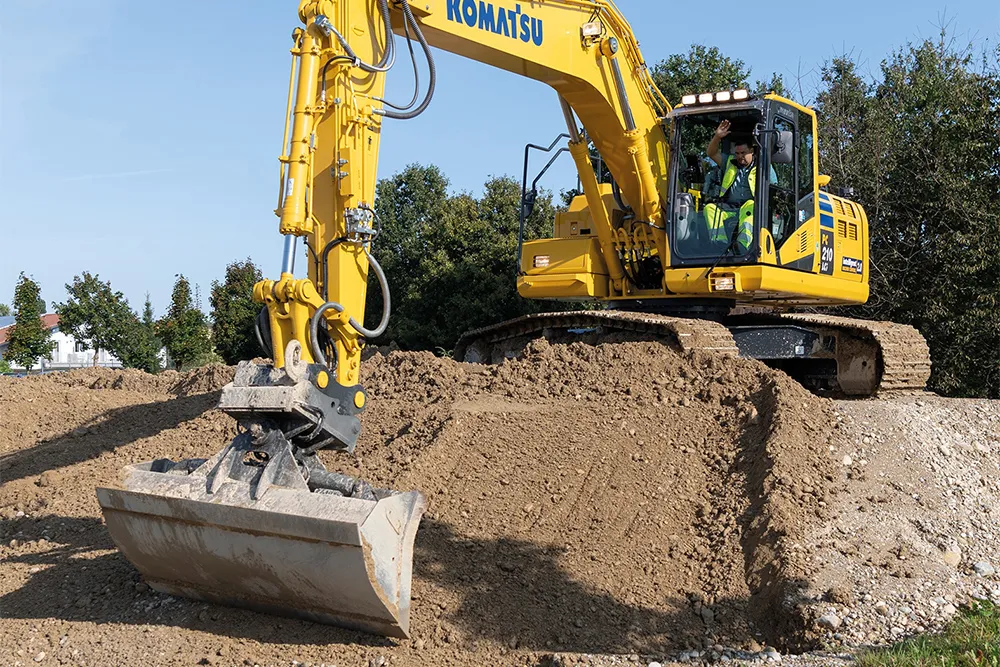
Looking at opportunities for the sector at a macro level, it is clear that demand for earthmoving will increase. Global population growth is creating greater demand for housing, roads, public spaces and other infrastructure. Cities will expand, innovative projects are in the pipeline, and demand for efficient, sustainable earthmoving methods will continue to grow. Earlier in this article, we discussed the introduction of more advanced technologies. Technological progress is also creating many other opportunities, including GPS tracking, automated operation and even drones monitoring construction projects. These and other innovations increase efficiency, benefit the environment and improve workplace safety.
Sustainability is also becoming increasingly important. Calls for greater environmental awareness are growing, and responding to them offers new opportunities for the earthmoving sector. Examples include innovative approaches that conserve natural resources and minimise the environmental footprint. These can range from using biodegradable hydraulic fluids to implementing techniques such as soil erosion management and reforestation. Although earthmoving is often associated with manipulating the land, it can also play an important role in preserving and restoring ecosystems. Protecting biodiversity and restoring natural habitats are obvious challenges in this respect.
The future of earthmoving will also be shaped by social trends such as urbanisation, an ageing population, migration, population growth, automation, digitalisation and climate change. The need for urban development and adaptation to extreme weather conditions will lead to even more innovative earthmoving solutions. The focus will be not only on functionality but also on the resilience of our urban environment, opening up enormous opportunities.
Earthmoving will therefore remain essential to the development and growth of our society. It is key to building infrastructure and helping to create a sustainable future focused on zero emission. How? By investing in modern technologies and promoting greater ecological balance. The earthmoving sector will thus continue to play a central role, both literally and figuratively, in shaping our planet.
A business enquiry for BIA? Get in touch
Companies in this story

Keep following this
Get an email when a new story is published. No account needed.
- ThemeEarthmoving and road construction in practice
- SubjectEarthmoving
- CompanyBIA