Good dust control is essential
Creating the perfect dust control solution is a complex balancing act faced by many construction and demolition companies.
Too much water can affect the production process and costs, while too little misting can cause a nuisance. To keep working ever more efficiently, Pulvi’s patented dust suppression system is continually being developed. The company is also adding new techniques to offer construction and demolition companies a complete solution tailored to their operations.
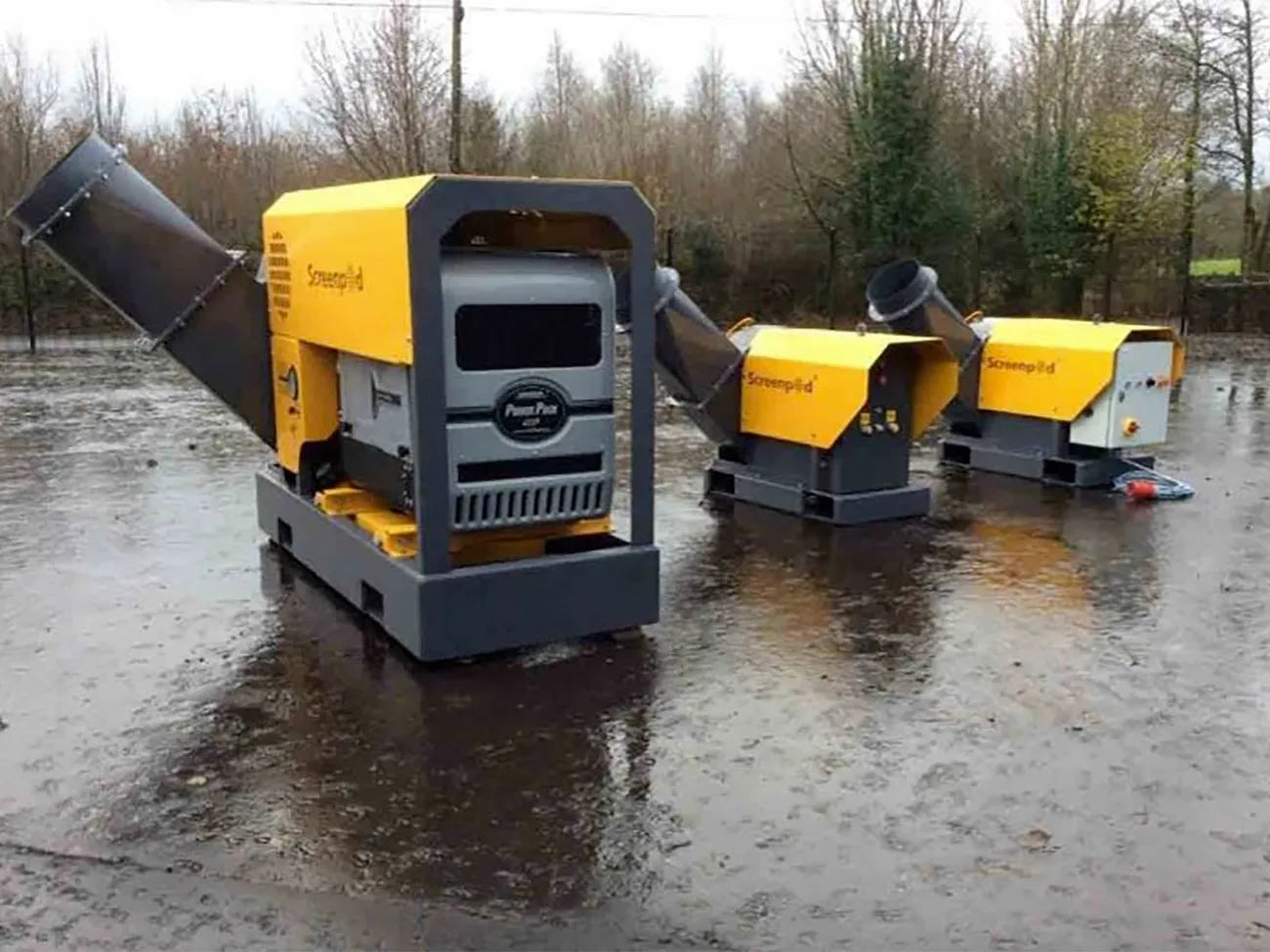
Effective dust control is essential for the health and safety of both workers and local residents. With this in mind, Davy De Baere set out several years ago to develop an ingenious new misting system. The aim? To reduce the amount of dust in the air while using less energy and water than conventional systems. He succeeded, but the work is not yet finished. “We haven’t been idle in recent months. We have continued to work on this dust problem behind the scenes and on site. For example, we have further refined our misting lines and adjusted the control systems for the pump installations, so that mist can be applied more effectively using even less water. The misting line can now also be operated remotely, meeting a demand in the market,” says Davy De Baere.
Abstraction of canal water
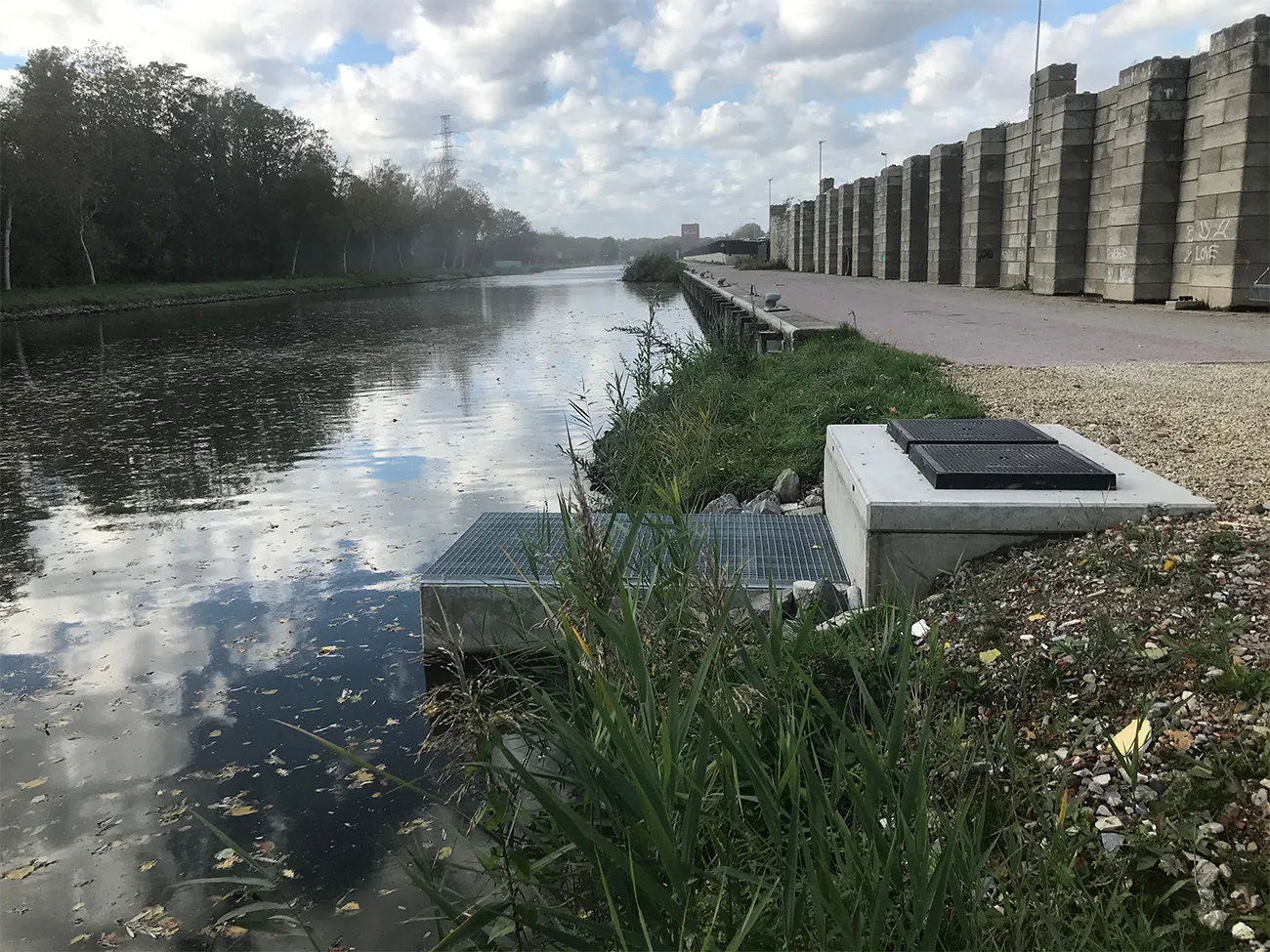
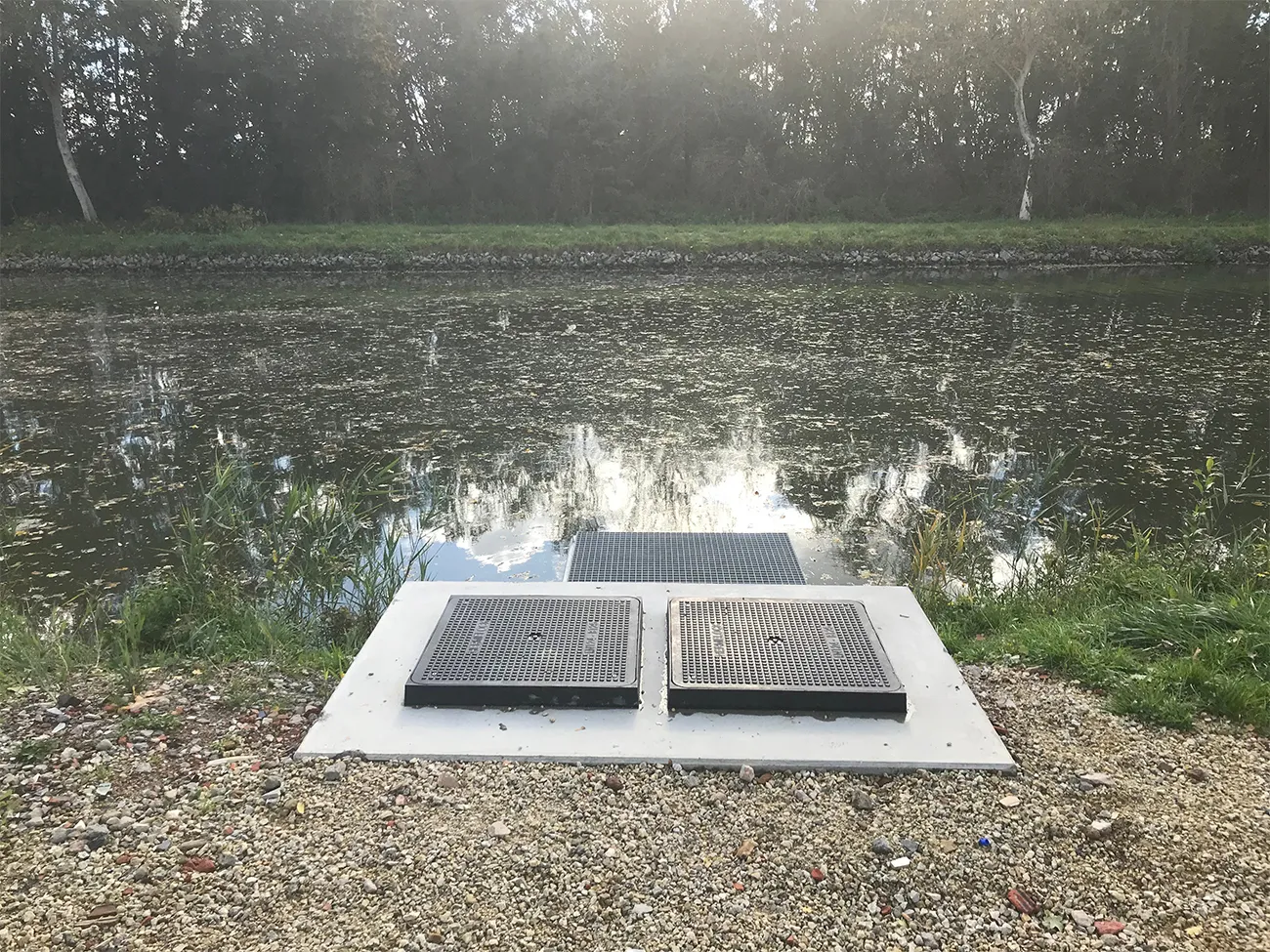
Every litre of water costs money. Companies are therefore looking to use rainwater for misting to cut costs. Davy De Baere explains: “But rainwater cannot be stored indefinitely. That’s why we have developed a new system that allows us to abstract canal water and use it for dust control. We use extensive pre-filtration, which means the system requires little maintenance. Cleaning it once a year is enough to keep it running smoothly. We have also added a meter to the pump system, so that the amount of canal water used can be accurately monitored and measured, keeping usage within legal limits. This innovation allows companies to save further on their water bills, while also using water more sustainably. We already have several impressive projects to prove it.”
The most efficient solution
Davy De Baere has noticed growing demand for dust nets. “They can capture a large amount of dust and create an area sheltered from the wind. This is important because dust inspections are becoming more frequent and stricter in order to prevent misuse. Companies are required to draw up dust control plans showing how they will keep nuisance to a minimum. Because we can provide a complete range of dust control services, we have built up considerable expertise in this area, which we also put at our customers’ disposal. We can assess everything: where are the greatest risk areas? What is the most efficient overall solution for the product, site or activity? Where should misting be installed? Where would nets work better? We can also help draw up dust control plans.”
Dry products and a dust-free environment
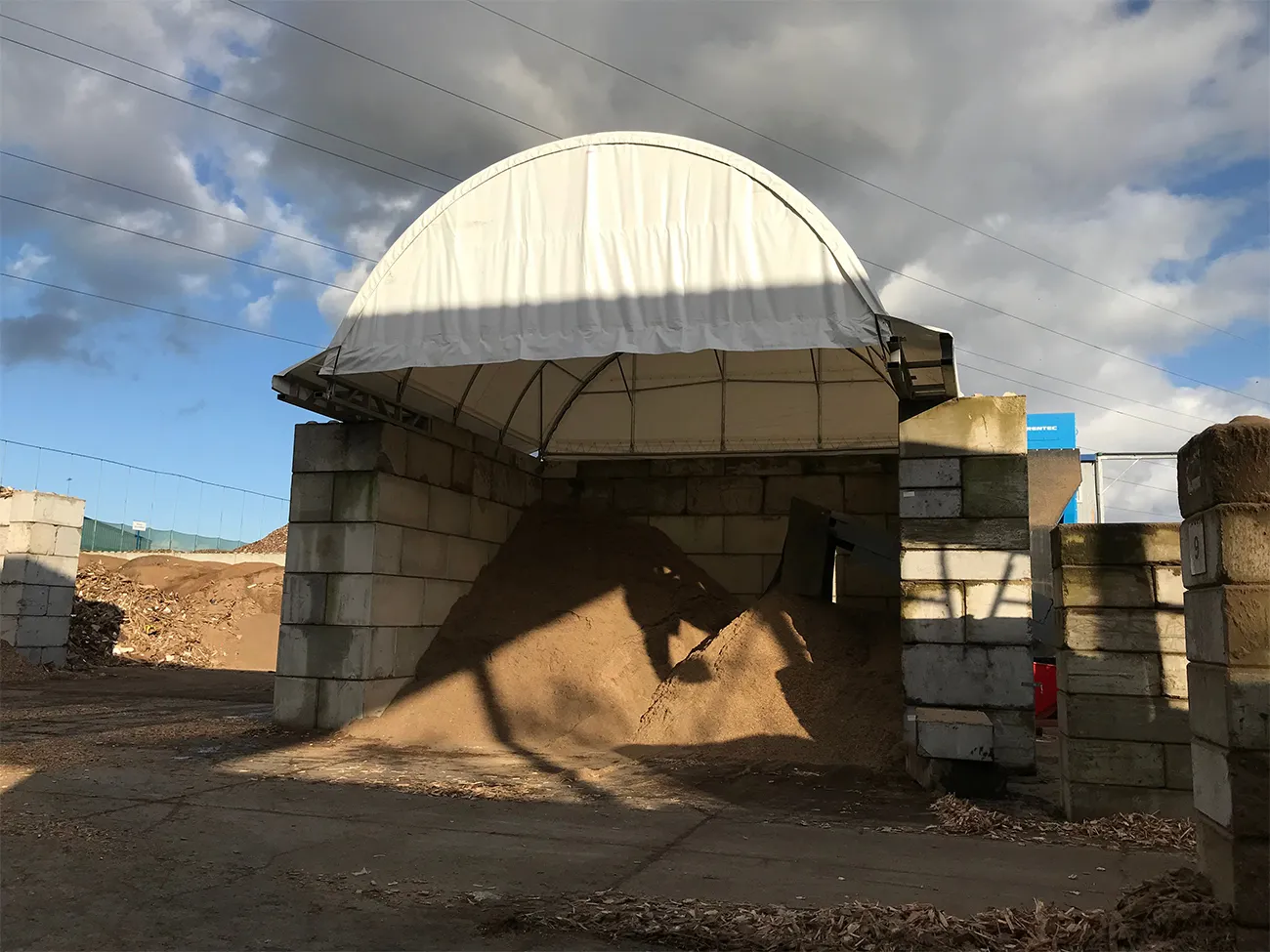
Two other innovations from Pulvi are shelters and wind sifters. “Shelters are roof structures or canopies that can be used both to keep products dry and to prevent them from being blown away. We can build them on shipping containers, concrete blocks or as freestanding structures. Their dimensions can be fully adapted to the needs of the site. Wind sifters, meanwhile, are traditionally integrated into machines to extract dust. We have applied this technology to a trailer, in combination with a container. This gives you a mobile solution for cleaning around machinery. At present, this is still done with a shovel and brush. This innovation means the job can now be done much faster,” concludes DavyDe Baere.
Question about this story? Ask your question
Companies in this story

Keep following this
Get an email when a new story is published. No account needed.
- SubjectDemolition & recycling
- CompanyPulvi